Six States Enact New Laws Restricting 3D-Printed Firearms in 2026
Colorado, Maine, New Jersey, New York, Virginia and Washington state enacted new laws this year targeting easily manufactured untraceable weapons.

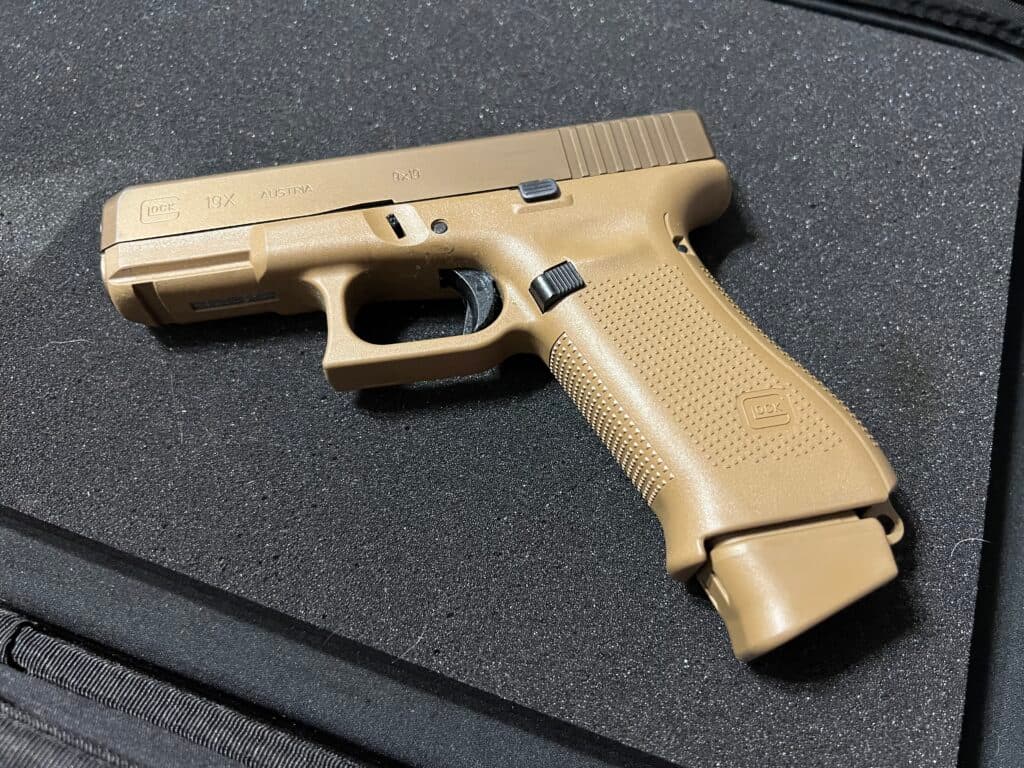
COLUMBUS, OHIO — Six states have enacted new laws this year targeting 3D-printed firearms as lawmakers address the growing accessibility of untraceable weapons that can be manufactured from digital blueprints using consumer-grade equipment.
Colorado, Maine, New Jersey, New York, Virginia, and Washington state all passed legislation in 2026 tightening restrictions around 3D-printed guns and firearms without serial numbers. The new laws include limits on manufacturing untraceable firearms, restrictions on distributing digital gun-design files, and requirements aimed at preventing 3D printers from producing gun parts.
Technology Makes Gun Manufacturing Accessible
The legislative push comes as advances in additive manufacturing have dramatically simplified the process of creating firearms at home. What once required specialized tools, technical expertise, and hours of work can now begin with a downloaded file and a standard 3D printer.
These weapons often lack the serial numbers that law enforcement uses to trace firearms, complicating criminal investigations. Police and prosecutors have increasingly warned that such weapons make it harder to trace firearms recovered at crime scenes.
State Proposals Under Consideration
California lawmakers are currently considering a measure that would require 3D printers to include firearm-blocking technology. A similar proposal in Minnesota to regulate 3D-printed firearms failed to advance through the legislature.
The regulatory efforts have been concentrated primarily in Democratic-led states, though concerns about 3D-printed and other firearms without serial numbers extend to some Republicans as well.
Ghost guns, which are typically built from DIY kits or produced using 3D printers, can bypass standard background checks and other state requirements for firearm purchases and transfers since they often lack required serial numbers.
Legal Challenges Expected
The new restrictions enter a complex legal environment shaped by recent U.S. Supreme Court decisions that have expanded Second Amendment protections and prompted challenges to numerous state firearm restrictions.
Gun rights groups have already filed lawsuits challenging some state efforts to regulate ghost guns and the online distribution of firearm-design files. These advocates argue that restrictions on 3D-printed guns violate not only Second Amendment protections but also free speech rights by limiting the distribution of digital information.
The legal battles are expected to continue as more states consider similar legislation addressing the intersection of emerging manufacturing technology and firearms regulation.