Ohio Supreme Court Weighs Cities’ Rights to Ban Flavored Tobacco Products
Ohio Supreme Court justices heard arguments Tuesday in a case involving 21 cities that could reshape municipal authority statewide.

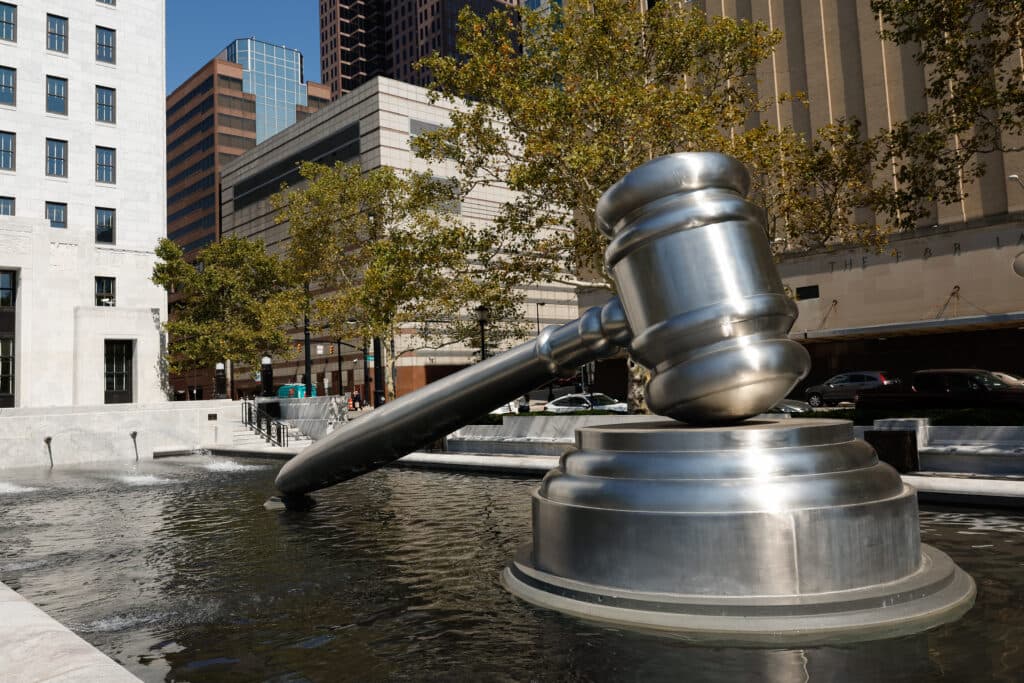
COLUMBUS, OHIO — The Ohio Supreme Court heard arguments Tuesday morning in a case that will determine whether Ohio cities can ban flavored tobacco products, with the ruling potentially affecting municipal home rule powers across the state.
The justices will issue a decision at a later date on the lawsuit that has drawn 21 cities into the legal battle, including Columbus, Cincinnati, Cleveland, and Toledo. At stake is the constitutional authority of municipalities to establish local laws under home rule provisions.
Home Rule Powers Under Scrutiny
The case centers on municipal home rule, which grants cities and villages in Ohio constitutional rights to certain powers, including establishing laws under the self-government clause. Cities can create their own policies as long as they do not conflict with laws in the Ohio Revised Code.
Columbus City Council voted to prohibit the sale of flavored tobacco products in December 2022, with the ban taking effect in January 2024. The ordinance became a focal point when state lawmakers moved to override local tobacco regulations.
State Override Sparks Legal Challenge
Ohio Governor Mike DeWine vetoed legislation in January 2023 that would have prevented cities and municipalities from regulating smoking, vaping, and other e-cigarette usage and sales, stating it would harm Ohio’s children. However, Ohio lawmakers voted to override DeWine’s veto in 2024, with the state law scheduled to take effect in April 2024.
The override prompted several cities to file suit against the state, successfully blocking the law from taking effect. The legal challenge argues that the Ohio Home Rule Amendment of 1912 empowers cities to establish rules, including flavored tobacco bans.
Broader Implications for Municipal Authority
The Supreme Court’s eventual ruling will have wide-ranging implications for municipal home rule in Ohio, potentially affecting how cities can regulate various public health and safety issues beyond tobacco products. The decision will clarify the balance between state and local authority in areas where municipalities have traditionally exercised self-governance powers.
The case represents a significant test of the constitutional framework that has allowed Ohio cities to address local concerns through ordinances tailored to their communities’ needs, according to the Ohio Capital Journal.