U.S. Inflation Hits 4.2% in May, Highest in Three Years
Rising energy costs linked to the Iran war pushed consumer prices up 4.2% in May, the highest inflation rate since 2023 and more than double the Fed’s target.

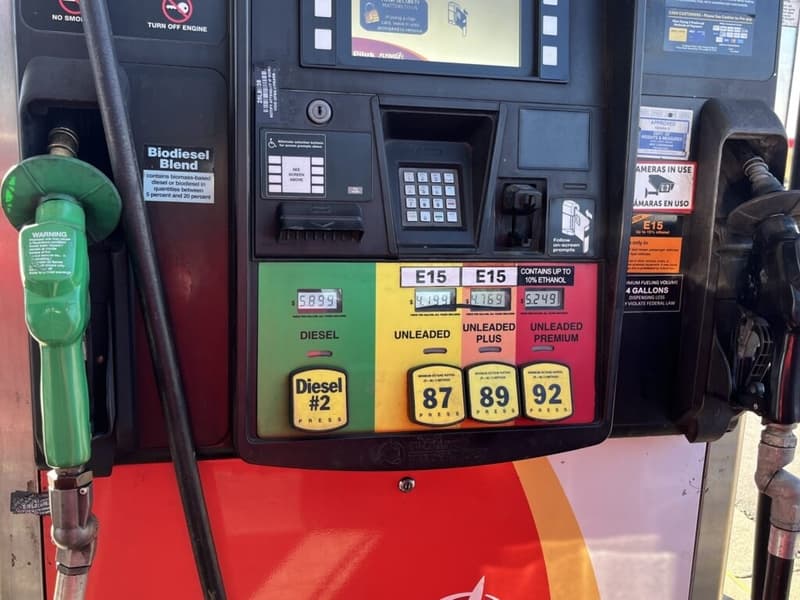
COLUMBUS, OHIO — Consumer price inflation reached 4.2% in May, marking the highest level in three years as energy costs surged due to the ongoing Iran war, according to federal data released Wednesday by the Bureau of Labor Statistics.
The inflation rate more than doubled the Federal Reserve’s target of 2%, affecting expectations for potential interest rate cuts in the near term. Core inflation, which excludes volatile food and fuel costs, registered at 2.9%.
Energy Costs Drive Price Increases
Energy prices experienced significant increases over the past year. Fuel oil costs jumped 58.9% while gasoline prices rose 40.5%, directly impacting consumers nationwide.
Transportation services costs increased 4.1% and apparel prices climbed 4.8%. The only categories showing decreases were used car and truck prices, which fell 2%, and medical care commodities, down 1.8%.
War’s Economic Impact
The American Enterprise Institute warned prior to Wednesday’s report that “Trump’s war of choice in Iran, coupled with his reckless budget and import tariff policies, offer strong arguments against the appropriateness of an interest rate cut at this juncture.”
Mark Zandi, chief economist for Moody’s Analytics, noted the war’s mounting economic toll in a June 1 report. “The bigger tax refunds Americans have received this year no longer cover the higher costs of gasoline, diesel, and jet fuel caused by the war,” Zandi wrote in a social media post.
“This is a big economic blow, but deficit-financed tax cuts have cushioned it — until now,” Zandi added.
Regional Variations
Inflation rates varied significantly across the country. The Northeast and Midwest experienced the highest inflation at 5%, while the West saw the lowest rate at 3.5%. The South recorded a 3.9% inflation rate.
The May inflation figures confirm economists’ expectations but represent a concerning trend for Federal Reserve policymakers who have been monitoring price stability amid ongoing geopolitical tensions and their economic consequences.