Three Ohio Men Linked to LifeWise Academy Face Sex Crime Charges
Christopher Riggs, Kenneth Holycross III, and William VanSickle face charges including rape, voyeurism, and sexual battery involving minors.

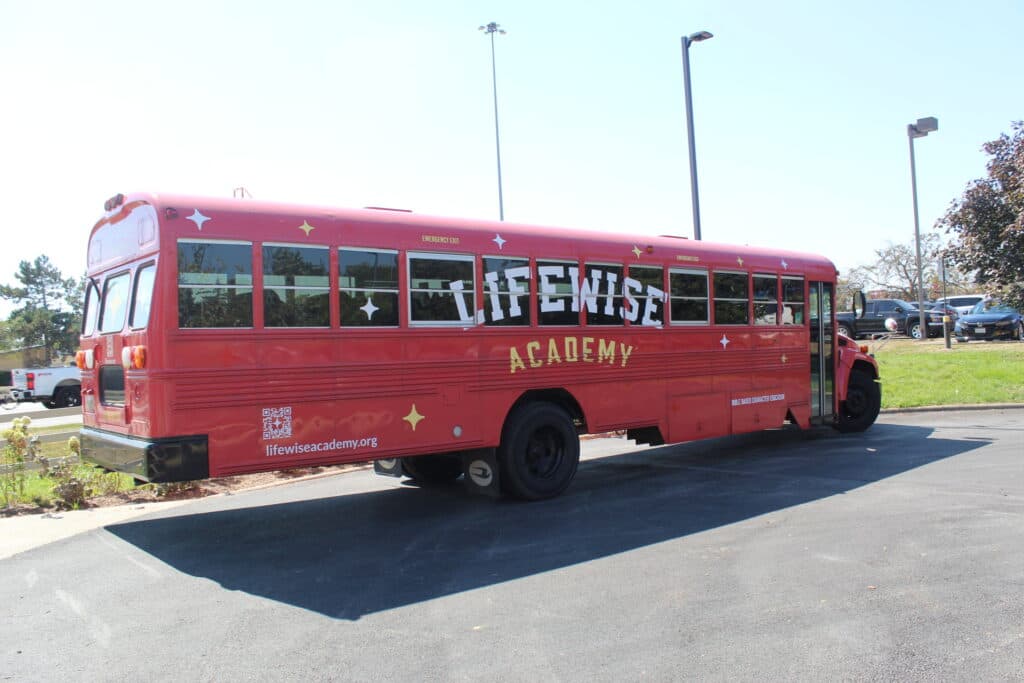
COLUMBUS, OHIO — Three Ohio men who previously worked or volunteered for LifeWise Academy, a Christian instruction program for public school students, have been charged or pleaded guilty to sex crimes involving minors, according to court records.
Christopher Riggs and Kenneth Holycross III served as LifeWise teachers, while William VanSickle worked as a volunteer for the organization. All three men face charges including rape, voyeurism, and sexual battery.
Organization Responds to Charges
LifeWise Academy officials issued a statement addressing the arrests. “LifeWise has received zero reports of misconduct involving LifeWise students in connection with these matters or during LifeWise activities more broadly,” the organization said.
The Hilliard-based organization confirmed each of the men was previously involved in local LifeWise chapters and acknowledged they were recently charged with sex crimes involving minors.
Background Screening Process
According to LifeWise officials, all three men underwent required background checks before beginning their roles with the organization. “In each case, the individual completed and passed the required background screening process at the time they began serving, which revealed no disqualifying offenses or prior criminal history,” the organization stated.
The charges represent a challenge for the organization, which has expanded rapidly across multiple states in recent years.
About LifeWise Academy
LifeWise Academy operates as a non-denominational Christian program that provides religious instruction to public school students during designated release time throughout the school day. The controversial program currently operates in 34 states.
According to the organization’s website, LifeWise Academy enrolls nearly 100,000 students during the 2025-26 school year. The program allows public school students to receive religious education off campus during school hours through what is known as “religious release time.”
The organization has faced scrutiny in various communities where it operates, with critics raising concerns about the separation of church and state in public education settings.