NC House Committee Advances Property Tax Amendment to November Ballot
House committee approves constitutional amendment giving state legislature power to cap local property tax increases, despite warnings it could force service cuts.

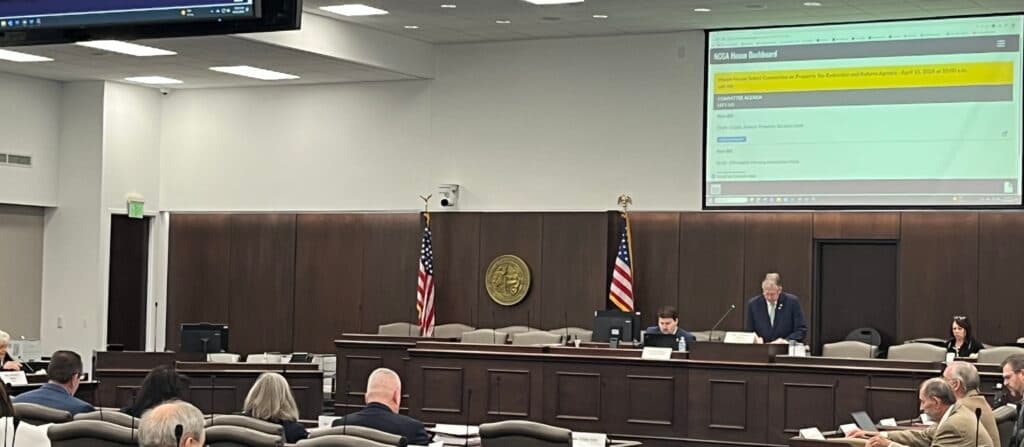
RALEIGH, NORTH CAROLINA — A proposed constitutional amendment that would give the North Carolina legislature authority to limit local property tax increases advanced from a House committee Wednesday, setting up a potential November ballot measure that critics warn could force service cuts in local governments.
The House Select Committee on Property Tax Reduction and Reform approved the amendment, which would direct the General Assembly to enact laws “limiting the amount by which the levy on property may increase, which may include exceptions.”
The proposal represents a significant shift of power from local elected officials to state lawmakers. Property taxes currently serve as the main revenue source for county governments across North Carolina.
Legislative Process and Timeline
The constitutional amendment requires a three-fifths vote in both legislative chambers before advancing to voters. If passed by the General Assembly, the measure will appear on the November 3 ballot for public approval.
Rep. Brian Echevarria (R-Cabarrus) defended the proposal, arguing the legislature has a responsibility to establish boundaries for local tax policy. “It is our duty to put guardrails in place,” Echevarria said.
The committee plans to develop specific implementation details after the general election, according to Echevarria.
Democratic Opposition Raises Service Concerns
Democratic lawmakers voiced strong opposition during Wednesday’s committee meeting, arguing the amendment fails to address underlying budget pressures facing local governments.
Rep. Eric Ager (D-Buncombe) blamed state-level spending cuts for forcing counties and municipalities to raise property taxes. “We’ve really left local governments holding the bag,” Ager said, “and most are doing their best to ensure that they’ve got, you know, good fire departments, good law enforcement agencies, good schools, and they’re not getting the support that traditionally they have gotten from the state government.”
Rep. Maria Cervania (D-Wake) criticized the proposal as an overly simplistic approach “to a complicated problem” that ignores how rising property appraisals contribute to increased tax bills.
Constitutional Authority Debate
The amendment would mark a departure from the traditional local control over property tax policy that has characterized North Carolina’s governmental structure. Currently, county commissioners and city council members set property tax rates based on their jurisdictions’ specific needs and circumstances.
While the proposed amendment does not specify exact limitations or caps, it would establish the General Assembly’s constitutional authority to impose such restrictions through future legislation. The language allows for exceptions to any limits the legislature might eventually enact.
The committee’s approval moves the proposal forward in the legislative process, though it must still receive approval from the full House and Senate before reaching voters in November.