Tennessee House Fails to Pass Legislation Protecting Big South Fork from Landfill
Tennessee lawmakers failed to advance legislation that would block a controversial multistate landfill near the Big South Fork National River, disappointing environmental advocates.

HUNTSVILLE, TENNESSEE — The Tennessee House of Representatives did not advance legislation intended to protect the Big South Fork National River and Recreation Area from a proposed multistate regional landfill in Scott County, leaving environmental advocates and local residents disappointed after months of lobbying efforts.
The legislation, filed by Sen. Ken Yager, a Kingston Republican, aimed to prevent the installation of the landfill by Trans Rail Waste Services, LLC, which announced plans in 2025 to clear land and establish a multistate waste facility near the protected waterway. The Big South Fork National River and Recreation Area encompasses 125,000 acres of the Cumberland Plateau and protects the free-flowing Big South Fork of the Cumberland River and its tributaries, according to the National Park Service.
Environmental Concerns Mount
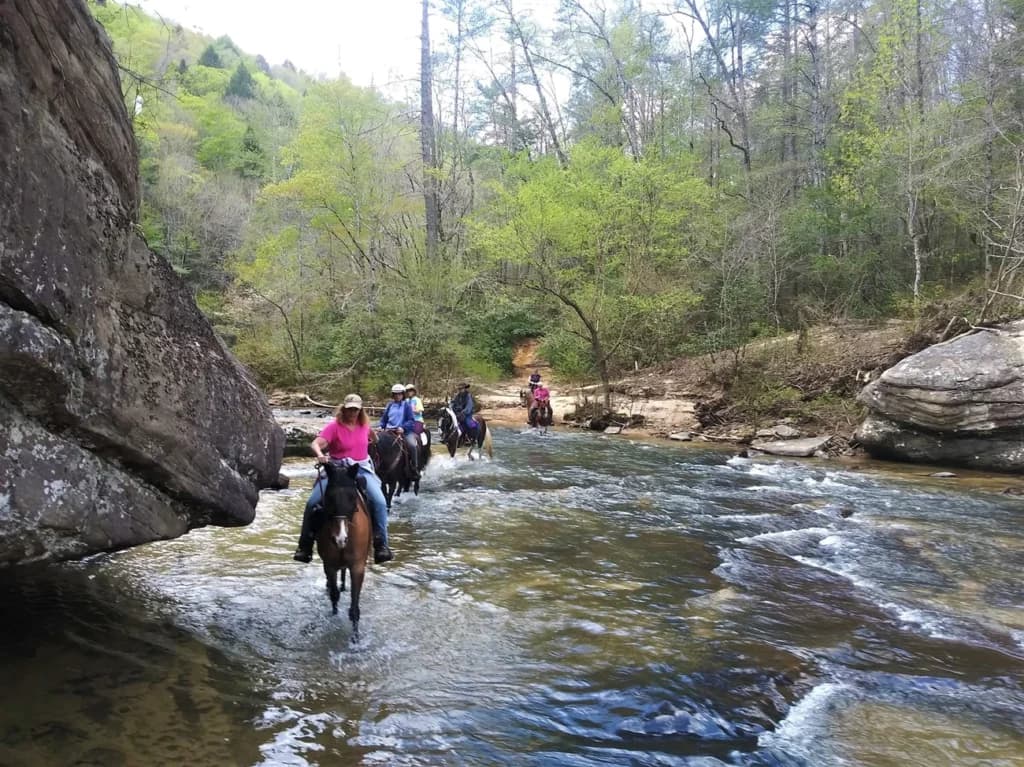
The proposed landfill site sits dangerously close to Bear Creek in north Oneida, raising concerns about potential contamination of water sources that feed into the nationally protected river system. Environmental advocates argued that the facility could threaten the pristine waterways that draw thousands of tourists annually to the area for hiking, camping, and horseback riding.
Scott County’s economy has relied heavily on tourism revenue generated by the national recreation area since it was established through the efforts of late U.S. Sen. Howard Baker, who represented Tennessee and appreciated the natural beauty of the Cumberland Plateau. Baker, who was from Huntsville, the county seat of Scott County, worked to protect the area’s water and land resources.
Legislative Battle Unfolds
Local residents and environmental groups had hoped the Tennessee General Assembly would take action during the current session to block the landfill development. The failure of the House to advance protective legislation represents a setback for opponents of the project who have organized grassroots campaigns against the facility.
The Big South Fork area has been celebrated as a natural treasure since its designation as a national recreation area, bringing economic benefits to Scott County through tourism. Visitors travel to the region specifically for its natural beauty and outdoor recreational opportunities, contributing to the local economy through lodging, dining, and recreational services.
Future Uncertain for Protected Waterway
With the legislative protection effort stalled, the fate of the proposed landfill remains unclear. Trans Rail Waste Services has continued to move forward with its development plans, while local opponents vow to continue their fight through other legal and political channels.
The debate highlights the ongoing tension between economic development and environmental protection in rural Tennessee communities. Scott County residents face the prospect of a large-scale waste facility operating near one of the state’s most treasured natural resources, potentially affecting both water quality and the tourism-dependent local economy.
The Big South Fork National River and Recreation Area continues to serve as a destination for outdoor enthusiasts from across the region, offering pristine wilderness experiences on the Cumberland Plateau. The proposed landfill’s proximity to this protected area has raised questions about long-term environmental impacts and the preservation of Tennessee’s natural heritage.