Ohio Supreme Court Restricts Public Records Access in Attorney General Case
Ohio’s Supreme Court voted to restrict public records access in a case involving former Attorney General David Yost, sending the matter back to appeals court with orders to limit discovery scope.

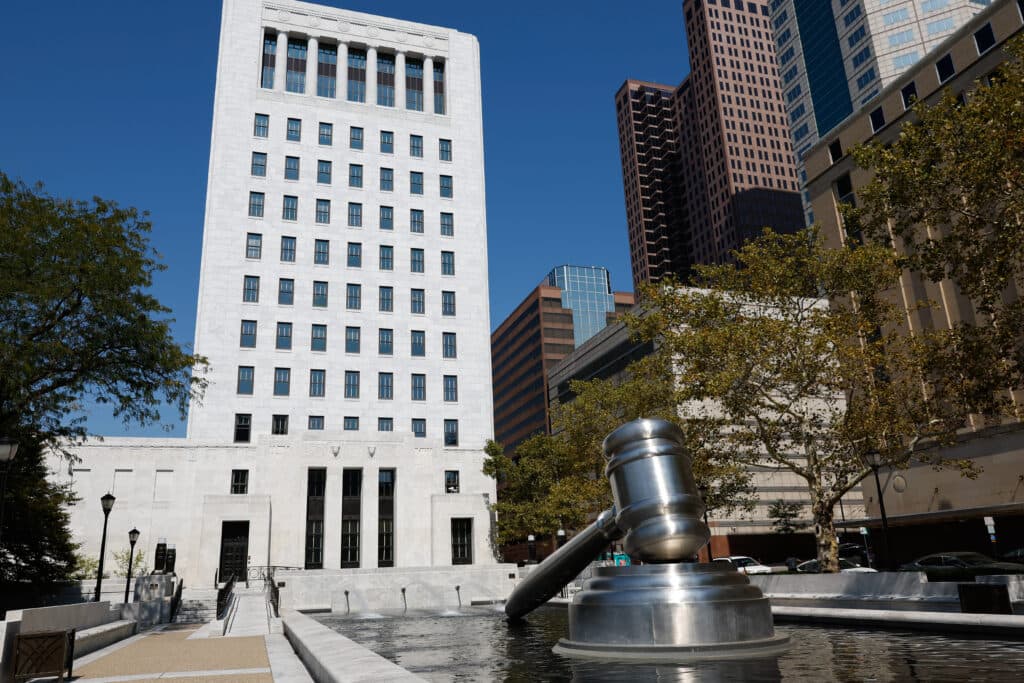
COLUMBUS, OHIO — The Ohio Supreme Court has limited public records access in a ruling that halted discovery proceedings against former Attorney General David Yost, marking a shift from the state’s historically strong transparency laws.
On May 27, the court’s six Republican justices voted to send a public records case back to the 10th District Court of Appeals in Franklin County, ordering the lower court to review and restrict the scope of discovery that would have required the production of certain public documents and Yost’s sworn testimony.
The decision represents a departure from Ohio’s longstanding commitment to government transparency, according to retired judge Tom Hodson, who analyzed the ruling in commentary originally published by the Athens County Independent.
Historical Context of Ohio’s Transparency Laws
Ohio established its public records statutes in 1963 under Republican Governor James Rhodes and enacted open meeting laws in 1974 during Democratic Governor John Gilligan’s administration. The bipartisan support for these measures placed Ohio among the leading states demanding transparency from public officials.
“The original legislation was passed when Republican Gov. James Rhodes held office. The open meeting laws were passed under Democratic Gov. John Gilligan. This shows that public record disclosure was not a partisan issue,” Hodson wrote.
However, Hodson argues that the current Republican-dominated court has shifted away from this tradition. “Republicans no longer want transparency or disclosure. They want to control the documents and control the public narrative,” he stated.
Court’s Reasoning and Impact
The Supreme Court’s majority decision protected Yost from having to provide sworn testimony and produce certain documents related to what Hodson described as “pro-Trump political activities.” The ruling allows the Attorney General’s office to maintain greater control over which records must be disclosed to the public.
“The majority decision by the Ohio Supreme Court was a political one. It supported a Republican Attorney General who looks to be trying to evade Ohio’s clear public record statutes to protect from sunlight on pro-Trump political activities,” Hodson wrote in his analysis.
The retired judge criticized the court’s legal reasoning, stating: “It is as if the justices knew the decision they wanted to make to support Yost and then tortured their legal arguments and reasoning to support that decision.”
Broader Implications for Public Access
Hodson emphasized the importance of unrestricted access to public records for democratic accountability. “The right for anyone to be able to see and receive public records should be inviolate. We must be able to see exactly how our public institutions are operating,” he wrote.
The ruling adds another restriction to Ohio’s public records laws, continuing a pattern that transparency advocates say undermines citizens’ ability to monitor government operations. “We need to be able to peek behind the curtains of governmental secrecy at any time,” Hodson argued.
The case will now return to the Franklin County appeals court, where judges must determine new, more limited parameters for what records and testimony the plaintiff can seek. This process could further delay public access to the disputed documents and potentially set precedent for future public records cases throughout Ohio.