Ohio First-Time Homebuyers Turn to Family Partnerships Amid High Costs
Multi-generational partnerships and family financial support become essential strategies as Ohio buyers face housing costs that challenge even six-figure earners.

COLUMBUS, OHIO — First-time homebuyers across Ohio are increasingly turning to family partnerships and shared living arrangements to navigate a housing market where prices remain near historic highs despite gradual improvements in affordability.
The trend reflects a broader national pattern as young buyers find creative solutions to enter a market where the typical single-family home costs $422,300 as of April, according to the National Association of Realtors.
Multi-Generational Solutions Emerge
Micah Longmire’s path to homeownership illustrates the new reality facing buyers. The 31-year-old partnered with his in-laws to purchase a $585,000 home in Chattanooga, Tennessee, after a two-year nationwide search.
“I make $200,000 and I wouldn’t have been able to buy a house by myself. That’s ridiculous,” Longmire said. His wife’s parents contributed $200,000 from selling their own home in Utah and retired to live with them in the 3,500-square-foot house.
The arrangement began after Longmire heard a sermon at his Presbyterian church in Ogden, Utah, about the importance of grandparents in children’s lives. “We were like, ‘I’d be OK living with you after that sermon,’ and the ball rolled downhill from there,” Longmire said.
Market Shows Mixed Signals
Home prices rose nationally this year, though not as much as inflation, leading to improved affordability in all regions as of April compared with a year before, according to the National Association of Realtors. However, prices are settling at elevated levels.
After inflation adjustment, current home prices remain less than 4% below the 2022 peak. Some areas with large-scale building, mostly in Florida and Texas, have seen prices drop, according to real estate analyst Bill McBride’s CalculatedRisk newsletter.
The national median home price increased $4,300 from April 2025 to April 2026, reaching $422,300 for a typical single-family home.
Family Financial Support Growing
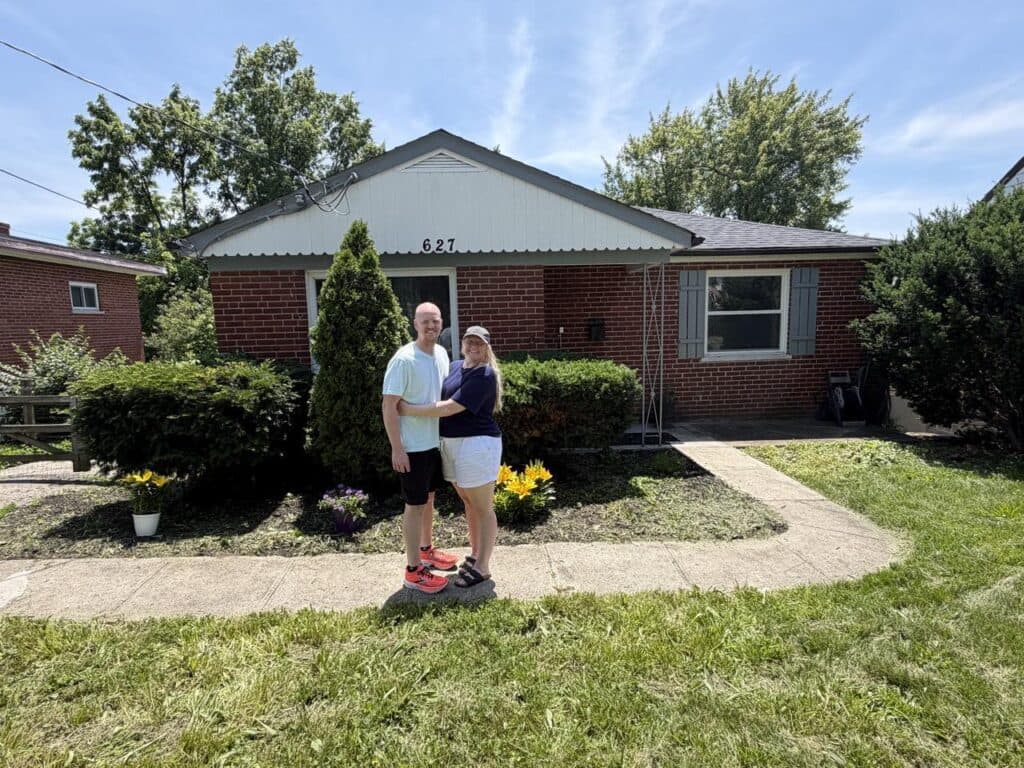
Not all buyers require family assistance. Ty and Allisha Setty purchased a two-bedroom house in suburban Cincinnati for $170,000 in May without needing family help with the purchase.
However, family support is becoming more common in higher-priced markets. “The family now has accumulated so much equity that they’re able to help their kids make these downpayments. Many people like to live in multi-generational households for reasons of culture and also cost,” said Nadia Evangelou, senior economist for the National Association of Realtors.
The trend toward multi-generational living represents both a cultural shift and an economic necessity as first-time buyers navigate affordability challenges in today’s housing market. These arrangements allow families to pool resources while maintaining homeownership goals that might otherwise remain out of reach.