North Carolina House Advances Crypto ATM Regulations with Industry Concessions
Lawmakers approve crypto ATM oversight with looser limits after industry pushback, as seniors lost $257 million to scams last year.

RALEIGH, NORTH CAROLINA — State lawmakers are moving forward with legislation to regulate cryptocurrency ATMs operating across North Carolina, though the final version includes significant concessions to industry operators after pushback over transaction limits and fees.
House Bill 920 would bring crypto kiosks under state oversight for the first time, requiring operators to comply with North Carolina’s Money Transmitters Act. The machines, which allow users to convert cash into blockchain cryptocurrency, currently operate without regulation in the state.
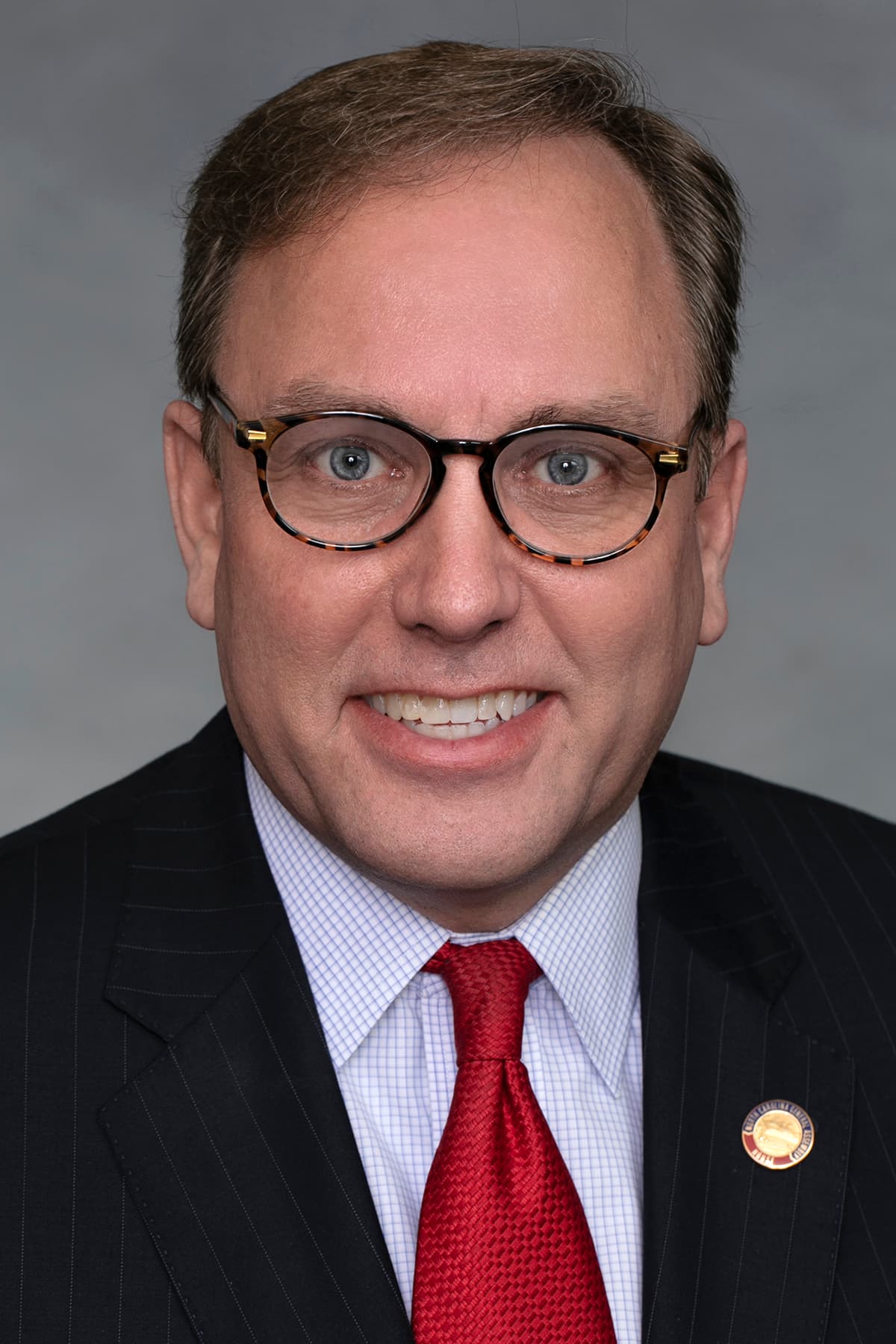
“More than half of victims are over age 60. Seniors lost $257 million last year to these scams,” said Rep. Neal Jackson (R-Moore), the bill’s sponsor.
Rising Scam Concerns Drive Regulatory Push
Jackson said North Carolina ranks among the hardest-hit states for cryptocurrency fraud, recording more than 4,300 complaints in 2025. Senior citizens face particular vulnerability to these schemes, which often involve scammers posing as IRS agents or law enforcement officials.
The scams typically involve fraudsters demanding immediate payment of fabricated fines through crypto ATMs. Once transactions begin, they cannot be canceled, and the converted cryptocurrency cannot be traced or retrieved even after victims discover the fraud.
The proposed regulations would mandate consumer protections including scam alert signs on kiosks, live customer service availability, transaction receipts, and the ability to cancel transactions while in progress. Customers would also gain a 30-day window to claim refunds for fraudulent transactions.
Industry Wins Higher Limits and Fees
The legislation underwent changes between committee hearings, with industry input leading to more favorable terms for operators. The original version heard in House Commerce last week included daily transaction limits of $1,000 for new customers and $2,500 for existing customers, along with a 3% cap on transaction fees.
Claire Wolfson, representing kiosk operator CoinFlip, told lawmakers her company supported most provisions but had “some concerns with some of the numbers.”
The version that emerged from House Finance on Tuesday substantially increased those limits. The revised bill raises the fee cap from 3% to 14% and sets daily transaction limits at $2,500 for new customers and $5,000 for existing customers.
Rep. Tim Longest, a Wake County Democrat, attempted unsuccessfully to restore the original limits and caps during Tuesday’s committee session.
Next Steps for Legislation
The bill now heads to the full House for consideration. CoinFlip did not immediately respond to questions about its role in securing the changes to the legislation.
If enacted, the regulations would make North Carolina among the first states to implement comprehensive oversight of the cryptocurrency ATM industry, addressing what consumer advocates describe as a growing threat to vulnerable populations.
The Commissioner of Banks would oversee compliance with the new requirements, marking the first time crypto kiosks would face state-level regulation in North Carolina.