Flesh-Eating New World Screwworm Confirmed in U.S. After Decades
Federal officials confirm six cases of the flesh-eating parasite in Texas and New Mexico, ending decades without U.S. infestations.

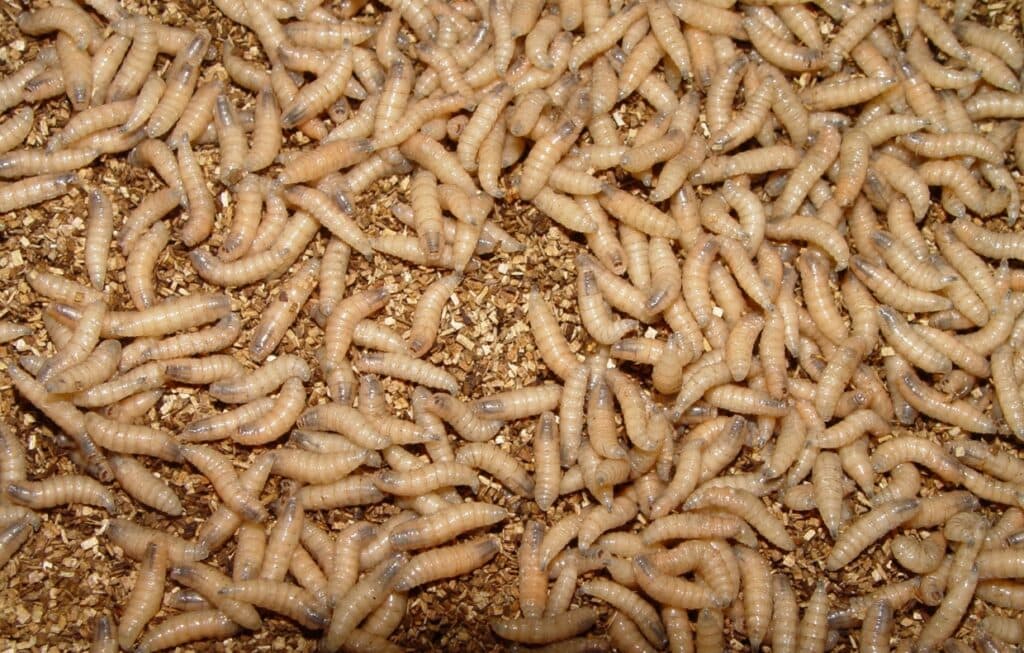
RALEIGH, NORTH CAROLINA — The New World screwworm, a flesh-eating parasite that poses potentially life-threatening risks to livestock, pets, and humans, has been confirmed in the United States for the first time in decades.
Federal officials have documented six cases across two states after the invasive pest crossed the U.S.-Mexico border. Texas has reported five confirmed cases affecting cattle, a dog, and a goat, while New Mexico has one confirmed case involving a dog.
The parasite’s arrival ends a decades-long period without confirmed cases in the United States, raising concerns about potential economic impacts through higher grocery prices if the infestation spreads.
Understanding the Parasite
Despite its name, the screwworm develops into an adult fly approximately the size of a common housefly. Adult flies feature orange eyes, a metallic blue or green body, and three dark stripes along the back.
The screwworm designation refers to the larvae, or maggots, that burrow into open wounds and feed as they go “like a screw being driven into wood,” according to the U.S. Department of Agriculture. These maggots can enter through wounds as small as tick bites or through body openings including the eyes or nose.
Larvae hatch from eggs within approximately 24 hours before burrowing into the infested animal’s wound to feed on living flesh. The feeding process creates the characteristic damage that gives the parasite its name.
Agricultural Impact and Prevention
The pest can infest livestock, pets, wildlife, birds, and, in rare cases, people. For ranchers, the presence of screwworms requires heightened vigilance over newborn calves with exposed umbilical cords and may necessitate changes to branding and tagging operations that could provide entry points for the parasites.
Infested animals typically exhibit foul-smelling wounds with visible maggots as well as lesions in navels, ears, or other body sites. The rapid reproduction cycle and aggressive feeding behavior make early detection essential for preventing widespread infestations.
Economic Concerns
Agricultural experts warn that a massive invasion could create ripple effects across the American economy. The parasite’s ability to quickly spread among livestock populations raises concerns about potential disruptions to meat production and subsequent increases in grocery prices for consumers nationwide.
Southern states, where ranchers have prepared for years for a potential screwworm invasion, face the highest immediate risk. The confirmation of cases in Texas and New Mexico has prompted increased surveillance efforts to prevent further spread of the flesh-eating parasite.
The U.S. Department of Agriculture continues monitoring efforts to track additional cases and coordinate response measures with state agricultural officials in affected regions.