Bipartisan Bill Seeks Greater Oversight of Ohio Economic Development Agency
Ohio lawmakers advance bipartisan legislation to increase transparency at JobsOhio, the state’s privately-operated economic development agency.

COLUMBUS, OHIO — A bipartisan measure aimed at increasing transparency and oversight of JobsOhio received its first legislative hearing Tuesday, as lawmakers continue pushing for greater accountability from the state’s economic development agency.
The JobsOhio Transparency Act comes amid concerns about the agency’s lack of public oversight, issues that gained renewed attention following a podcast scandal that led to the resignation of former Ohio State University president Gordon Gee earlier this year.
Private Structure Shields Agency from Public Records Laws
Former Governor John Kasich originally structured JobsOhio as a nonprofit private corporation when it was created. The agency holds Ohio’s liquor franchise and uses those proceeds to fund job creation initiatives across the state.
Because of its private corporate status, JobsOhio operates outside the scope of Ohio’s sunshine laws, meaning it is not subject to the same public records and transparency requirements that govern other state agencies.
While Republican officials have historically defended this secrecy as necessary for protecting sensitive negotiations with prospective companies, that support has begun to show cracks in recent months.
Attorney General Challenges Franchise Extension
Tensions over JobsOhio’s operations became public early last year when the Ohio Controlling Board considered extending the agency’s liquor franchise through 2053. The proposed extension would have cost JobsOhio nothing while granting it continued control over the lucrative liquor monopoly.
Attorney General Dave Yost publicly called on JobsOhio leaders to table the effort until they could provide Ohioans “proper consideration and a full explanation” of the deal’s terms and benefits.
Despite Yost’s concerns, the Controlling Board approved the franchise extension in February 2025.
Lawmaker Opposition Drives Reform Effort
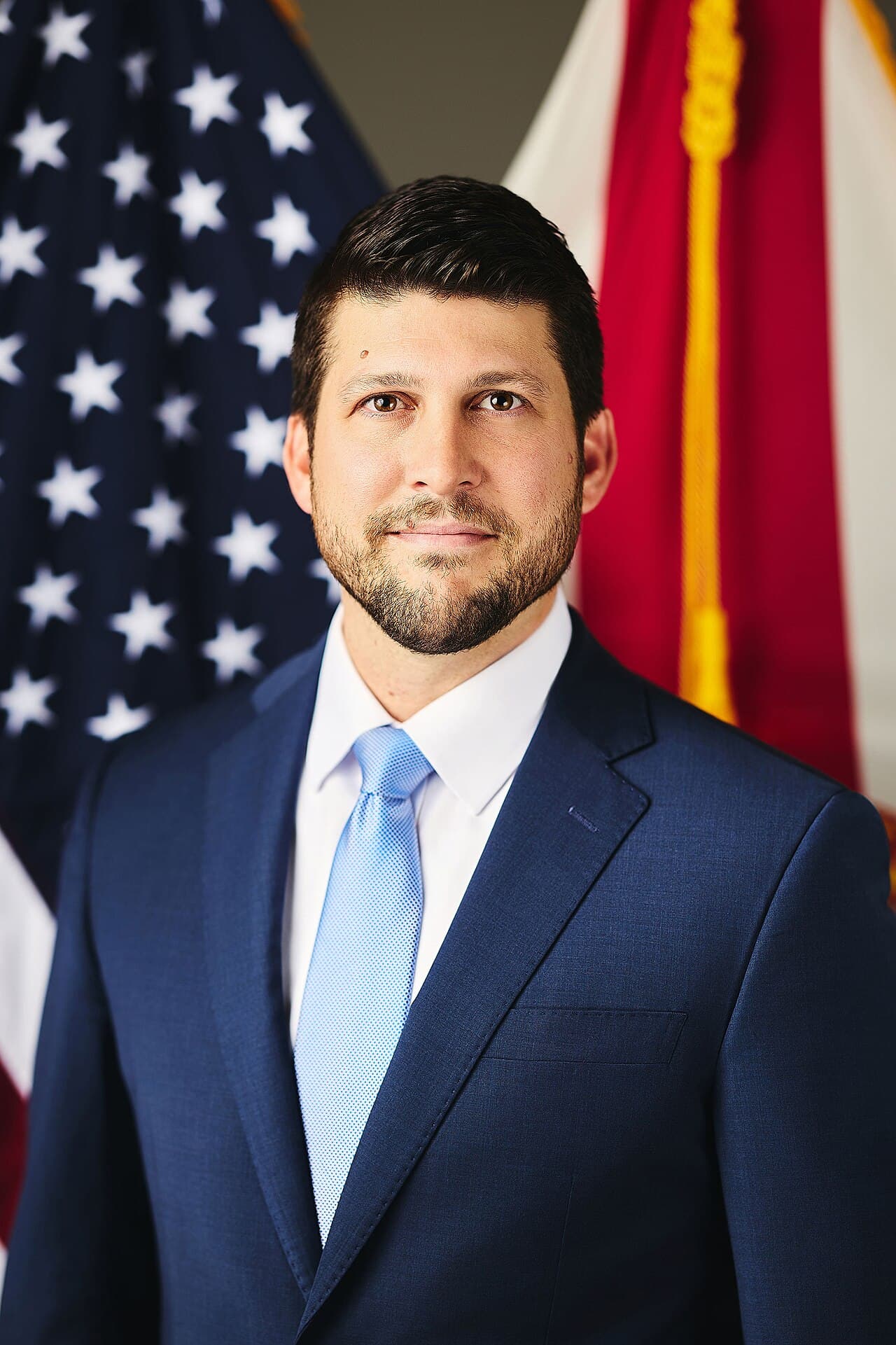
Ohio state Representative Tristan Rader, D-Lakewood, served on the Controlling Board during the franchise extension vote and opposed the measure. Rader is now one of the primary sponsors of the JobsOhio Transparency Act.
The legislative push for oversight represents a shift in the political environment surrounding JobsOhio, which has operated with broad Republican support since its creation over a decade ago.
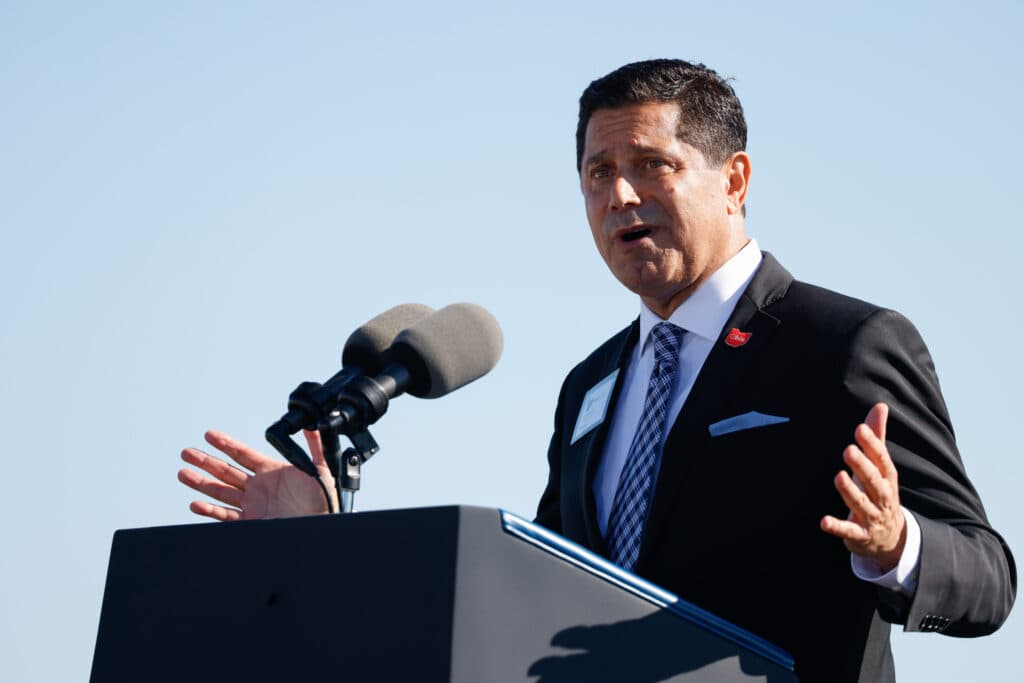
JobsOhio is led by President and CEO J.P. Nauseef, who has overseen the agency’s operations as it has distributed hundreds of millions of dollars in economic development incentives to companies across Ohio.
The transparency legislation seeks to subject JobsOhio to greater public scrutiny while maintaining its ability to compete for business investments. Supporters argue that taxpayers deserve insight into how the agency spends public money, even if it operates through a private corporate structure.
The bill’s bipartisan nature suggests growing consensus among Ohio lawmakers that some level of reform is necessary, regardless of party affiliation. Tuesday’s hearing marked the beginning of the legislative process, with additional committee review expected in the coming weeks.