Yakama Nation Protests Clean Energy Project on Sacred Washington Site
Yakama Nation members protest a pumped-hydro energy project planned for sacred lands that could primarily benefit data centers rather than homes.

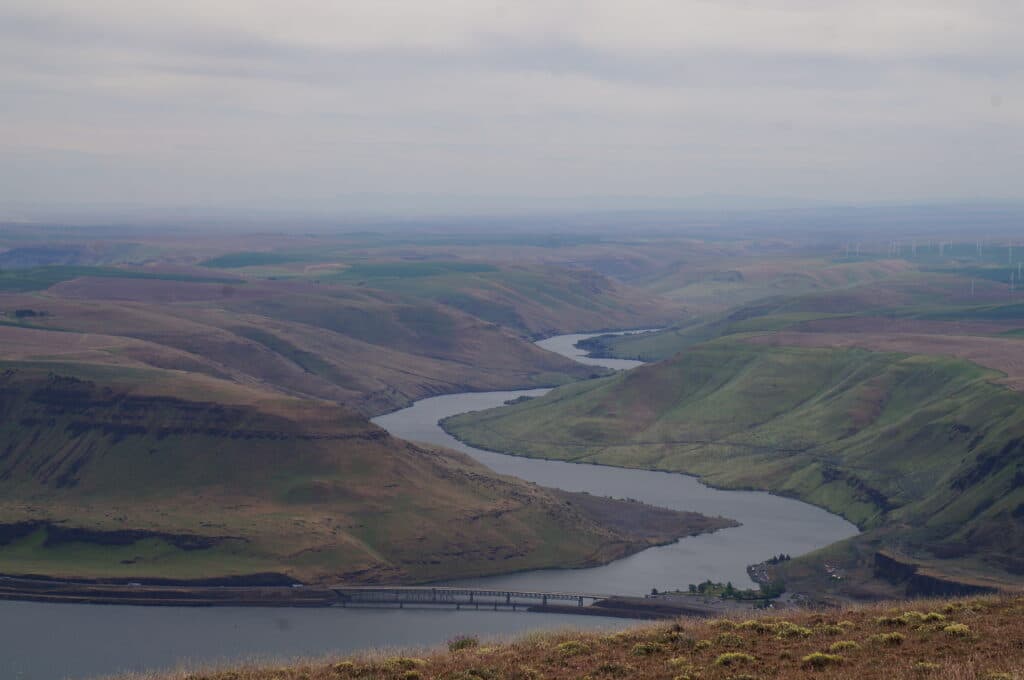
GOLDENDALE, WASHINGTON — Members of the Yakama Nation gathered to protest a clean energy storage project planned for construction on a sacred tribal site near the Columbia River, as evidence suggests the facility could primarily serve a large data center campus rather than residential communities.
The Goldendale pumped-hydro energy storage project has faced opposition from Yakama leaders and environmental groups, despite supporters claiming it will help meet growing regional energy demand. Project developers have promoted its potential to power up to half a million homes without producing greenhouse gas emissions.
The 700-acre hydrostorage project is planned for the contaminated grounds of an abandoned aluminum smelter formerly owned by Lockheed Martin. The site encroaches on Pushpum, a sacred Yakama location meaning “Mother of all roots.”
Sacred Grounds Under Threat
Pushpum contains Yakama archaeological sites and dozens of seeds, roots, flowers, and shrubs that the tribe harvests and protects. Some of the plant species are found only in this specific area.
“I know we’re in a time when we need renewable energy, but why on our root grounds? Why on critical migratory corridors for hawks, for sage grouse and the deers?” asked Elaine Harvey, a watershed manager at the Columbia River Inter-Tribal Fish Commission and a member of the Yakama’s Kamíłpa Band. “And I say: For who are we building? We’re going green now for who?”
Regulatory Approval Despite Concerns
State and federal agencies issued key permits to the project developers after a process lasting 10 years. The approval came despite a state review finding that the project would have “significant and unavoidable adverse impacts” on Yakama historic sites and culturally significant plants.
Yakama leaders and nonprofit organizations, including Hood River-based Columbia Riverkeeper, have called on Washington Governor Bob Ferguson to intervene. The groups are currently fighting the project in federal court.
Environmental and Cultural Impact
The project site sits high on the Washington side of the Columbia River near the John Day hydroelectric dam. The location represents critical habitat for wildlife migration corridors and serves as home to plant species that have sustained the Yakama people for generations.
Environmental groups and tribal representatives gathered at the site earlier this month to draw attention to their concerns about the project’s impact on sacred lands and traditional harvesting grounds.
The controversy highlights ongoing tensions between renewable energy development and protection of Indigenous sacred sites, as federal and state agencies balance climate goals with tribal sovereignty and cultural preservation.