NC Lawmakers Push Insurance Parity for Breast Cancer Detection Tests
House Bill 297 would eliminate insurance disparities that force some patients to pay up to $1,300 for breast cancer diagnostic tests, but the measure remains stalled in the state Senate.

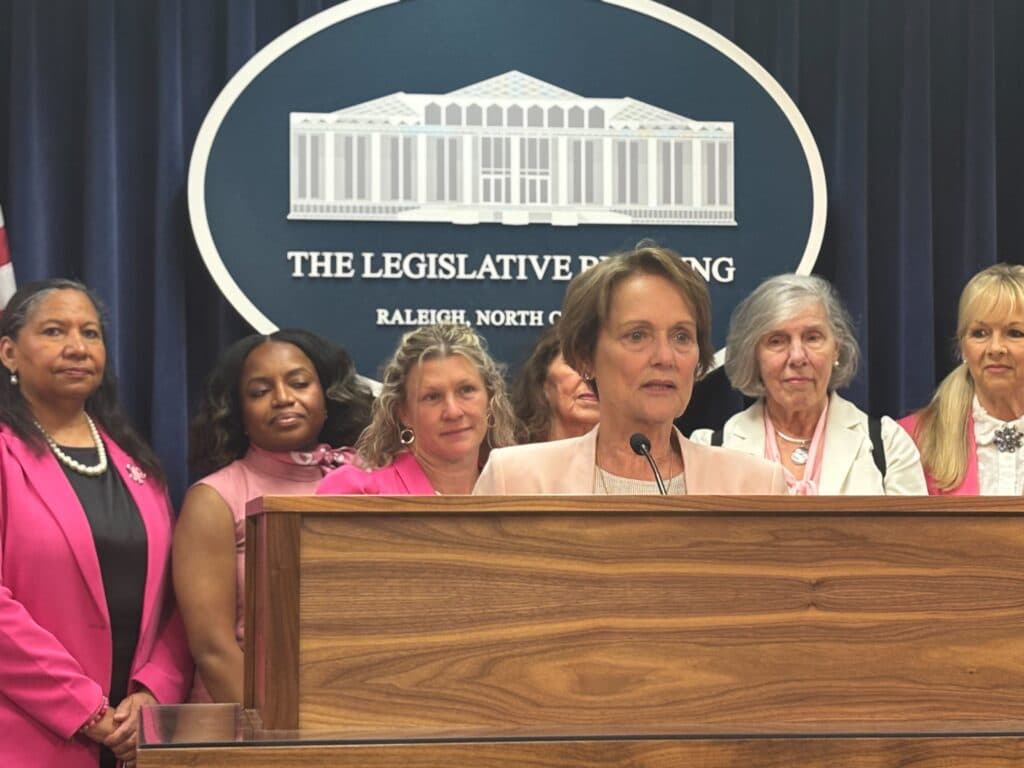
RALEIGH, NORTH CAROLINA — North Carolina House lawmakers are again championing legislation to ensure equal insurance coverage for breast cancer diagnostic imaging, after similar bills have stalled in the state Senate for years.
Representatives introduced House Bill 297, dubbed “Breast Cancer Prevention Imaging Parity,” for the fourth time in recent years. The measure passed the House with a 111-1 vote in May 2025 but has remained stuck in the Senate Rules Committee without a hearing since then.
Rep. Mary Belk (D-Mecklenburg) said the bipartisan bill targets three specific patient groups who need affordable access to medically necessary tests: breast cancer survivors, patients with increased genetic risk, and those who discover abnormalities through standard screening.
High Costs Force Treatment Delays
Standard mammograms often fail to detect cancer in these high-risk populations, requiring more precise diagnostic tools like ultrasounds or MRIs. However, insurance copays for these supplemental tests can range from $250 to over $1,300, depending on the patient’s plan, according to Belk.
“Some patients are choosing to delay or even forgo these follow-up tests because they simply cannot afford it,” she said. “That means some cancers are going undetected until they are dangerous and are far more costly to treat. That is not just a health issue, that is a fairness issue.”
Rep. Deb Butler (D-New Hanover) shared her personal experience with the cost disparity during a press conference Monday. Butler was diagnosed with breast cancer at the end of 2025 and paid a $25 copay for her routine mammogram, but faced a $790 out-of-pocket cost for additional imaging.
Senate Inaction Frustrates Advocates
While Butler could afford the additional care, she expressed frustration that the Senate continues to ignore the legislation despite overwhelming House support in multiple sessions.
The current version of the bill was filed in March 2025 and has broad bipartisan backing from House members who argue that insurance coverage should not create barriers to early cancer detection.
The legislation would require health insurance plans to provide equal coverage for diagnostic and supplemental breast imaging, eliminating the cost disparities that force some patients to delay potentially life-saving tests. Supporters say early detection through these advanced imaging methods leads to better patient outcomes and ultimately reduces healthcare costs by catching cancers before they advance to more expensive treatment stages.