Federal Marijuana Reclassification Creates Uncertainty for North Carolina
Federal reclassification of medical marijuana creates new business opportunities while leaving state officials navigating uncertain regulatory waters.

RALEIGH, NORTH CAROLINA — The U.S. Department of Justice’s decision to reclassify medical marijuana from Schedule I to Schedule III has opened new opportunities for cannabis businesses while leaving state officials to navigate an uncertain regulatory environment.
The change announced in April means the federal government now acknowledges accepted healthcare uses for cannabis. Medical marijuana companies can now claim federal tax benefits and state universities can begin new research programs.
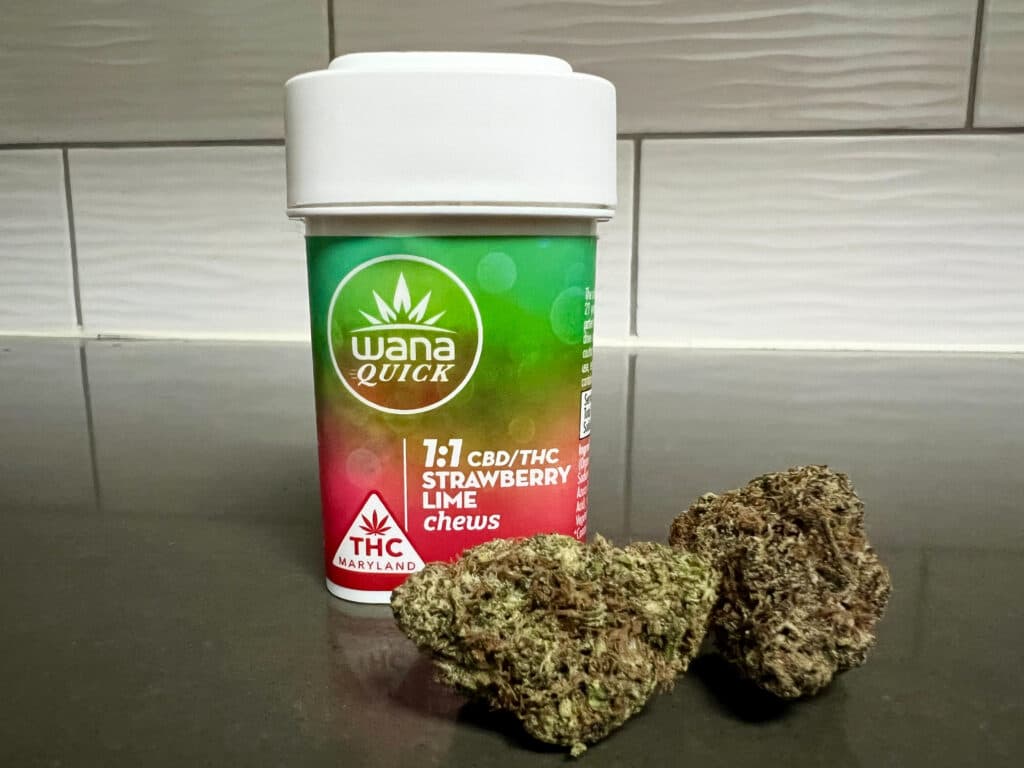
However, recreational marijuana remains classified as a Schedule I drug under federal policy, despite 24 states and the District of Columbia allowing recreational cannabis in various forms including dried flower, vaping oils, and processed gummy candies.
Limited Immediate Impact Expected
The U.S. Drug Enforcement Administration will hold its first hearing at the end of June on the possible de-scheduling of marijuana broadly, which would include recreational or adult-use cannabis. Until then, experts predict minimal changes for states with existing marijuana programs.
“This change is sort of catching up to what states are already doing,” said Katharine Neill Harris, a drug policy fellow at Rice University’s Baker Institute for Public Policy. “In some ways the federal government is following the states on this issue.”
States Await Federal Guidance
Following the DEA’s announcement, some state cannabis commissions acknowledged the federal decision but emphasized their laws remain unchanged while they await further federal guidance. States have invested years developing regulatory frameworks including licensing systems, tax structures, testing requirements, and retail oversight.
In Nevada, state cannabis officials released a statement acknowledging the reclassification but noted that state regulations continue under existing frameworks. The divide between federal and state marijuana policy remains largely intact, leaving states to navigate a fragmented and evolving cannabis environment.
The reclassification affects only medical marijuana, creating a complex dual system where medical cannabis receives federal recognition while recreational use remains federally prohibited. This split approach leaves state regulators managing different federal classifications for similar products within their jurisdictions.