Flesh-Eating Screwworms Threaten U.S. Livestock as Parasite Spreads North
A flesh-eating parasite spreading north from Mexico could devastate U.S. livestock and send already record-high beef prices soaring even further.

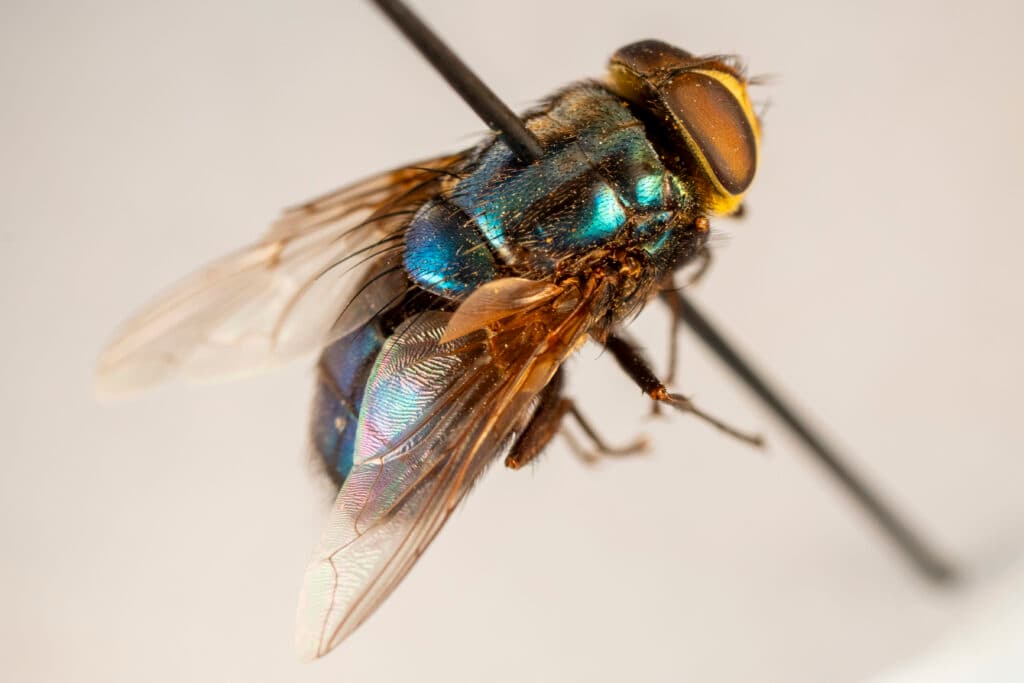
COLUMBUS, OHIO — Federal and state officials are preparing for a potential invasion of New World screwworms, a flesh-eating parasite spreading across Mexico and Central America, which could disrupt U.S. livestock markets and drive meat prices higher.
The parasite has not yet reached the United States, but multiple cases have been reported within 100 miles of the U.S.-Mexico border. Previously eradicated from the United States in the 1960s, the fly can infest livestock, pets, wildlife, and in rare cases, humans.
“It’s going to be very challenging, I think, at this point to keep it out of the United States,” said Dr. Samantha Holeck, state veterinarian with the New Mexico Livestock Board, which regulates the livestock industry.
Economic Impact on Beef Markets
The federal government has already banned the import of live cattle from Mexico, compounding the shortage of domestic beef. This action comes as beef prices reach record highs, with federal data showing the average price of ground beef at $6.90 per pound this month.
The current price represents a 77% increase since January 2020, when ground beef cost $3.89 per pound, according to Yahoo Finance. Years of drought, increased operating costs, and other supply disruptions have pushed ranchers to liquidate their herds to the smallest level in 75 years, according to the American Farm Bureau Federation.
Government Response Measures
State and federal officials have created new monitoring, testing, and quarantine protocols to prevent the parasite’s spread. The federal government has also implemented measures to sterilize millions of flies, including construction of a $750 million facility designed to produce sterile flies.
The parasites are named for their larvae, which burrow into living flesh like a screw, causing severe tissue damage and sometimes death. The New World screwworm was successfully eliminated from the United States decades ago through an intensive eradication program.
Despite the current drop in cattle supply, consumer demand for beef remains strong, creating additional pressure on prices as the industry braces for potential disruption from the approaching parasite threat.