China Trade Deal Could Boost Farm Exports, but Ohio Farmers Remain Wary
White House says China committed to $17B in annual farm purchases, but Beijing hasn’t confirmed the deal and agricultural groups remain cautious.

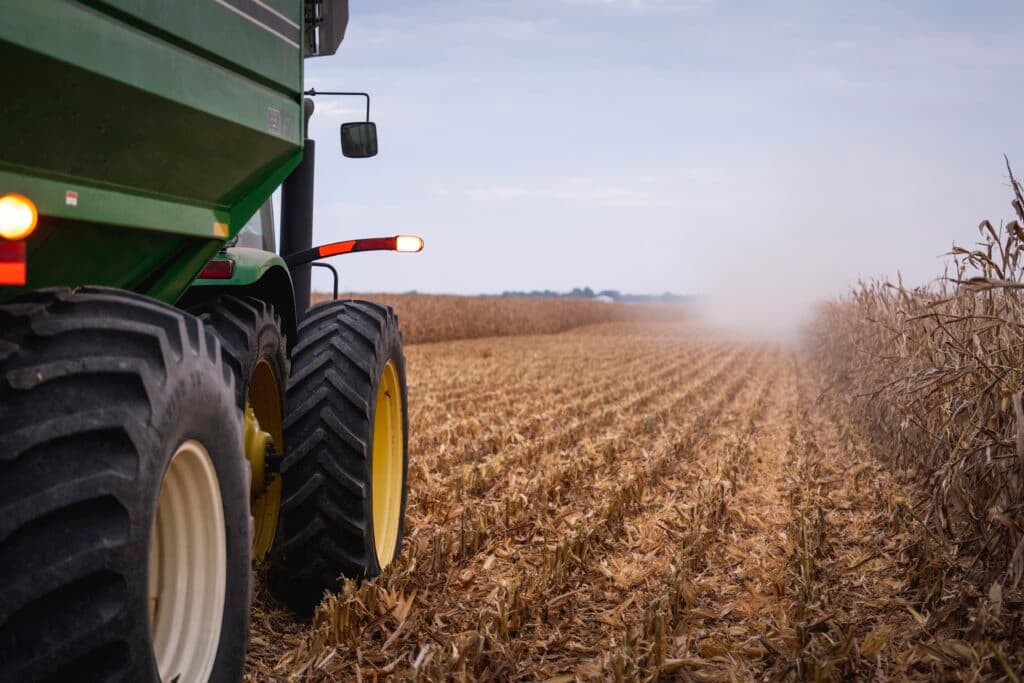
COLUMBUS, OHIO — The White House announced China has committed to purchasing at least $17 billion in additional U.S. agricultural products annually for three years following President Donald Trump’s recent summit in Beijing, though Chinese officials have not confirmed the figure and farm groups remain skeptical about implementation.
The deal, if realized, could provide significant relief to American farmers who have struggled with declining grain prices and rising costs for machinery and fertilizer. However, agricultural leaders expressed caution based on previous trade disruptions.
“I think we are cautiously optimistic when it comes to these things because we’ve been on both sides of this equation. You know, the first time we went through the tariff crisis, we lost 20% market share,” said Todd Main, director of market development at the Illinois Soybean Association.
Trade War Impact Still Fresh
American farmers endured significant financial pressure when the Trump administration imposed high tariffs on Chinese imports last year, prompting Beijing to halt imports of U.S. agricultural products in retaliation. China represents the world’s largest market for agricultural imports, making the trade disruption particularly damaging for Midwestern states like Ohio, Iowa, and Illinois.
The tariff conflict hit soybean producers especially hard, as Iowa and Illinois produce the most soybeans in the United States and China historically served as their largest export market. U.S. farm exports to China plummeted to just $8 billion last year, down from $24 billion in 2024 and significantly below the $38 billion peak reached in 2022.
Summit Results and Chinese Response
President Trump visited Beijing in May for bilateral talks aimed at resolving trade tensions. Two days after the U.S. delegation returned, the White House released a list of achievements from the negotiations, including the commitment for China to increase U.S. beef imports alongside the $17 billion annual agricultural purchase agreement.
However, when contacted by Medill News Service on May 20, the Chinese Embassy in Washington did not confirm the $17 billion figure or the three-year timeframe. The embassy statement only discussed general progress on beef trade and other agricultural products without providing specific details or commitments.
Economic Projections
If China follows through on the commitments announced by the White House, total U.S. farm exports to the country would increase to between $28 billion and $30 billion annually, according to Reuters analysis. While this would remain below the 2022 peak of $38 billion, it would represent a substantial improvement over recent years and provide much-needed stability for American agricultural producers.
The agreement comes at a crucial time for farmers facing multiple economic pressures. Beyond trade uncertainties, producers continue dealing with elevated input costs and market volatility that have squeezed profit margins across the agricultural sector.
Farm organizations are taking a wait-and-see approach, emphasizing the need for concrete implementation rather than just diplomatic announcements. The agricultural community’s skepticism reflects the lasting impact of previous trade disruptions and the importance of reliable, long-term market access for planning and investment decisions.