Supreme Court Weighs Federal vs State Authority in Roundup Cancer Warning Case
Supreme Court justices questioned state authority over pesticide labeling during arguments in a Missouri cancer patient’s $1.25 million Roundup lawsuit victory.

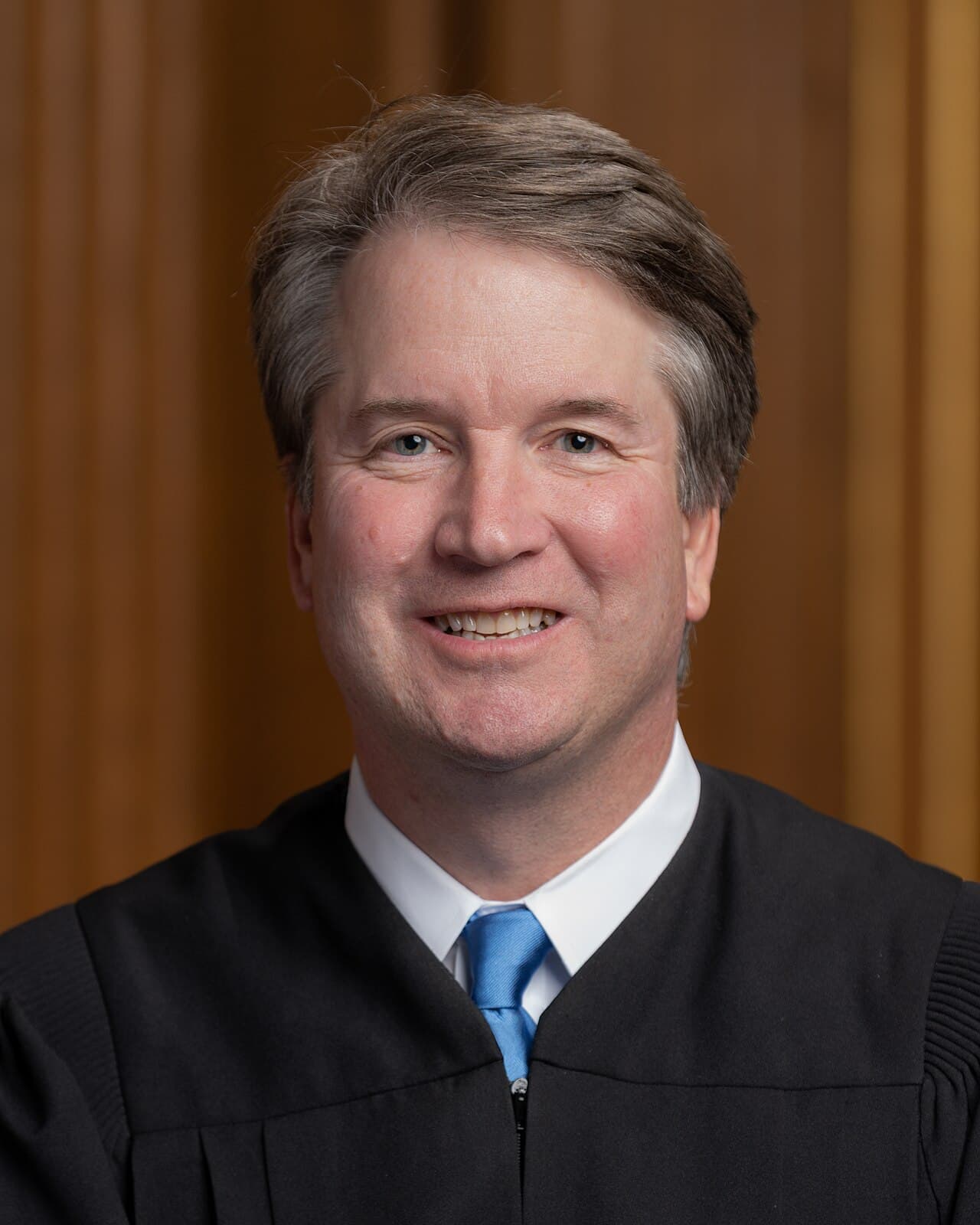
WASHINGTON, DISTRICT OF COLUMBIA — The U.S. Supreme Court appeared ready to overturn a Missouri state court verdict in favor of a cancer patient who sued Roundup’s manufacturer during oral arguments Monday, as justices questioned whether states can enforce their own labeling requirements for pesticides.
The case centers on John Durnell, a St. Louis resident who sued Monsanto in 2019 claiming that exposure to Roundup over two decades led to his developing non-Hodgkin lymphoma, a type of blood cancer. A Missouri trial court awarded him $1.25 million, and appeals courts affirmed the ruling.
The arguments focused on whether states could enforce their own labeling requirements of pesticides, or whether federal law preempted any deviation among states. Members of the court’s 6-3 conservative majority emphasized the need for uniformity across the country.
Federal Authority at Center of Debate
The U.S. Department of Justice intervened in the case in favor of Monsanto, the Missouri-based company that manufactures Roundup and has been owned since 2018 by German pharmaceutical company Bayer. Monsanto denies that the product causes cancer, and the U.S. Environmental Protection Agency has consistently agreed.
The company faces thousands of lawsuits claiming exposure to Roundup increased a risk of cancer and that the company failed to warn consumers when it reasonably should have known of the risk. The Supreme Court represents the first federal court to hear the case.
Federal law typically trumps state law, which Monsanto and the Justice Department emphasized Monday. Industry groups across the economy tend to support federal supremacy because it saves companies from complying with 50 separate regulatory schemes across states.
Key Exchange May Signal Court’s Direction
An exchange between Ashley Keller, the attorney for Durnell, and Justice Brett Kavanaugh, whom President Donald Trump appointed in his first term, may hold the key to the court’s ultimate ruling. Keller argued that Congress in the Federal Insecticide, Fungicide, and Rodenticide Act, which governs herbicide use, did not include a clause to expressly say that the federal law would preempt any state claims.
The EPA, which regulates labeling requirements for herbicides, does not require the kind of warning the Missouri jury said was appropriate. The Supreme Court seemed inclined to protect federal supremacy over state authority in pesticide regulation.
The case highlights the ongoing tension between federal regulatory oversight and state courts’ ability to hold companies accountable for potential health risks. A ruling is expected by the end of the court’s current term.