Ohio GOP Senator Proposes 2% Sports Betting Tax to Fund Stadiums, Schools
A Republican state senator wants to add a 2% fee on sports bets to help fund public stadiums and schools, potentially raising $200 million annually for Ohio.


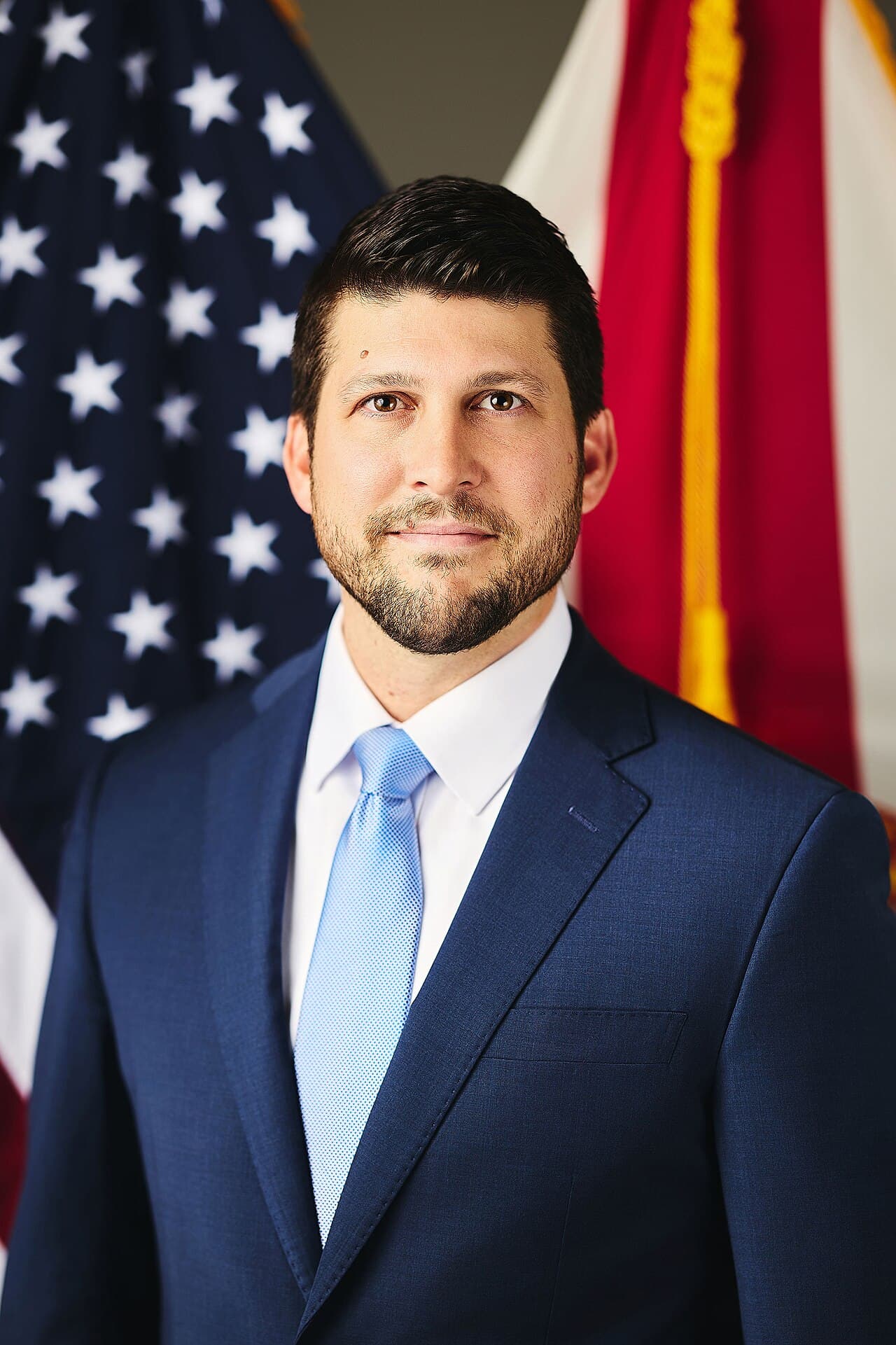
COLUMBUS, OHIO — State Sen. Bill Blessing wants to impose a new 2% fee on sports wagers in Ohio, with revenue dedicated to funding public stadiums and K-12 education under legislation he introduced this week.
The Republican from Colerain Township filed Senate Bill 199, which would add the fee on top of Ohio’s existing 20% tax on sports gaming receipts. Blessing estimates the additional levy could generate $200 million per fiscal year for the state.
“If we really do put school funding to bed for the foreseeable future — it’s a public good,” Blessing said in an interview Tuesday. “And again, people forget that school funding is, in fact, property tax relief.”
Revenue Projections and Tax Package
The sports betting fee is part of a broader tax strategy that Blessing said could raise $1.5 billion per fiscal year when combined with other revenue measures. Those include Governor Mike DeWine’s proposed tobacco tax increase, a severance tax with a 25% excise tax on Kratom, and raising the marijuana excise tax to 15%.
Blessing originally introduced the legislation in 2025 as lawmakers and DeWine sought funding mechanisms for the Cleveland Browns stadium project. The current bill mirrors elements of the governor’s budget proposal from last year.
“This could be incredible cost savings,” Blessing said, adding that the approach allows the state to “raise revenue at the same time that you’re discouraging bad behavior.”
Democratic Opposition and Industry Concerns
State Sen. Bill DeMora, a Columbus Democrat, expressed skepticism about the revenue projections during legislative testimony. DeMora, who described his own gambling history dating back to childhood, questioned whether higher taxes would actually increase state revenue.
“I have no apologies that I was going to the track and betting on horses when I was 5 years old, or that I had a bookie when I was 7 or 8,” DeMora said.
The Democratic senator argued that increased taxation could reduce gambling activity rather than boost state coffers. “Everybody assumes that when you tax more, you’re going to get more revenue from it,” DeMora said. “But other studies show that the more the tax, the less likely you are to do these forms of gambling.”
DeMora also worried about the impact on bettors’ potential winnings. “If you have more taxes on it, you’re gonna get less payout,” he said. “You want the most bang for your buck.”
Blessing countered that sportsbooks would absorb much of the tax burden rather than passing costs to customers. “Well, if DraftKings and FanDuel are going against each other, they can’t just pass everything on to the bettor,” he said.
The legislation awaits further committee consideration as lawmakers evaluate the proposal’s potential impact on Ohio’s sports betting market and state revenue needs.