Michigan Iranian-Americans Express Concerns Over U.S.-Iran Ceasefire Talks
Iranian-Americans in Michigan fear ceasefire talks will lead to normalizing Iran’s regime while ignoring ongoing human rights abuses and a seven-week internet blackout.

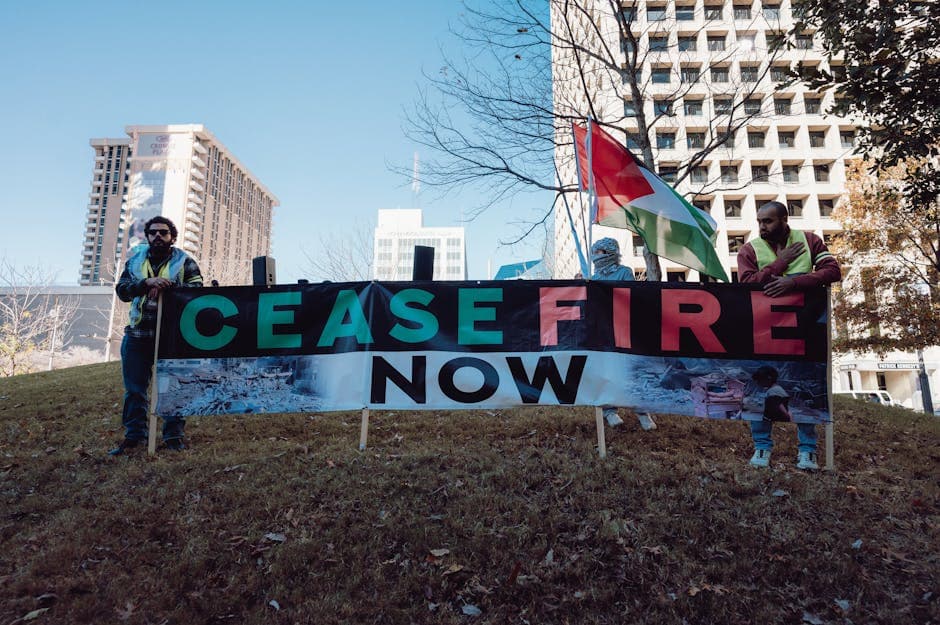
DETROIT, MICHIGAN — Iranian-Americans across Michigan are voicing concerns about ongoing ceasefire negotiations between the United States and Iran, fearing that international focus on ending military conflict will overshadow human rights abuses within the Islamic Republic.
The United States and Iran agreed to a two-week ceasefire on April 8, 2026, following forty days of warfare that has left ninety million Iranians living with what one Michigan writer described as “the sound of explosions and bombs.” The ceasefire has prompted mixed reactions among Iranian diaspora communities, particularly in Michigan, home to one of the largest Middle Eastern populations in the United States.
Internet Blackout Continues During Negotiations
While diplomatic talks proceed, the Iranian government has maintained a complete internet blackout for over seven weeks, according to reports from The New York Times. A source inside Iran described the experience of the communications shutdown as being “buried underground,” cut off from both the outside world and local communities.
Members of Michigan’s Iranian-American community say the continued internet restrictions highlight their concerns about the regime’s treatment of its own citizens. The blackout has left families in the diaspora unable to communicate with relatives in Iran during the ongoing conflict.
Diaspora Community Fears Normalization
Iranian-Americans in Michigan and elsewhere express worry that the ceasefire negotiations may lead to international normalization of the Islamic Republic without addressing fundamental human rights issues. Community members fear the international community will “look away once again” after military hostilities end.
The concerns center on several ongoing issues inside Iran that have not been addressed in ceasefire talks. No negotiating parties have demanded restoration of internet access, called for release of political prisoners, or addressed executions that continue even during the conflict, according to observers of the diplomatic process.
Local Impact of International Crisis
The situation has created particular stress for Michigan’s Iranian-American population, many of whom have family members still living in Iran. Community members describe feeling powerless to help relatives while watching developments from abroad.
The current negotiations mark a return to diplomatic engagement between Washington and Tehran after decades of tensions. However, critics argue that treating the Iranian government as a legitimate negotiating partner ignores the regime’s domestic repression.
Armed police have been patrolling Iranian cities as citizens gather in public spaces following the ceasefire announcement. Images from Tehran’s Revolution Square show heavy security presence as Iranians react to news of the temporary halt in hostilities.
For Michigan’s Iranian-American community, the ceasefire represents not an end to suffering but potentially “the beginning of an even more frightening life” for their relatives in Iran, as international attention may shift away from human rights concerns once military action ends.