Strong Thunderstorms Bring Damaging Winds, Hail to Upper Peninsula
Thunderstorms with 50 mph winds and half-inch hail sweep across Michigan’s Upper Peninsula, affecting dozens of communities from Marquette to Gwinn.

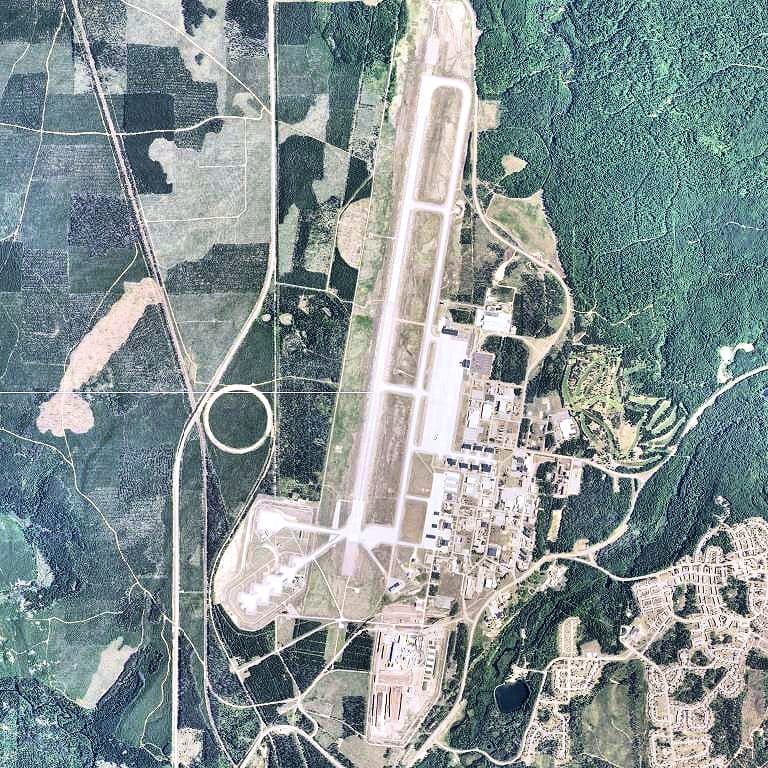
MARQUETTE, MICHIGAN — Strong thunderstorms with wind gusts up to 50 mph and half-inch hail moved across Michigan’s Upper Peninsula this afternoon, leading weather officials to issue special weather statements for the affected communities.
The National Weather Service in Marquette issued the first alert at 3:18 p.m. EDT for a thunderstorm near Gwinn, located 19 miles south of Marquette. Doppler radar tracked the storm moving east at 20 mph with wind gusts reaching up to 50 mph.
A second weather statement followed at 3:30 p.m. EDT, warning of a line of strong thunderstorms extending from near Shot Point to 10 miles east of K.I. Sawyer Airport to 9 miles southeast of Gwinn. This storm system moved southeast at 20 mph with wind gusts up to 40 mph.
Widespread Impact Across Multiple Communities
The weather service identified numerous locations in the storm’s path, including Au Train, Chatham, Shot Point, Deerton, Trenary, Skandia, Laughing Whitefish Falls, Forest Lake, Sundell, Kiva, Diffin, McFarland, Lathrop, Eben Junction, Carlshend, and Traunik.
The U.S. 41 corridor between Trenary and Rapid River also fell within the storm’s impact zone, according to radar data. Affected areas included Gwinn, K.I. Sawyer Airport, Anderson Lake, and Little Lake.
Weather Hazards and Safety Concerns
Weather officials warned that gusty winds could knock down tree limbs and blow around unsecured objects. The half-inch hail accompanying the storms posed a threat of minor damage to vegetation throughout the affected areas.
Both weather statements cited radar-indicated sources for the storm tracking and intensity measurements. The National Weather Service used Doppler radar technology to monitor the storm systems’ movement and strength as they progressed through the region.
The thunderstorm activity occurred during the late afternoon hours when temperatures typically peak, creating favorable conditions for storm development across the Upper Peninsula. Weather officials continued monitoring the systems as they moved through the area, tracking their southeastern progression.