Ohio Environmental Groups Cite Century-Old Climate Science in Policy Critique
Environmental advocates cite 19th-century climate research in challenging Ohio officials’ environmental policies at recent state regulatory meetings.

COLUMBUS, OHIO — Environmental advocates in Ohio are drawing on over 120 years of climate science research to challenge what they describe as state officials’ dismissal of scientific evidence regarding environmental protection policies.
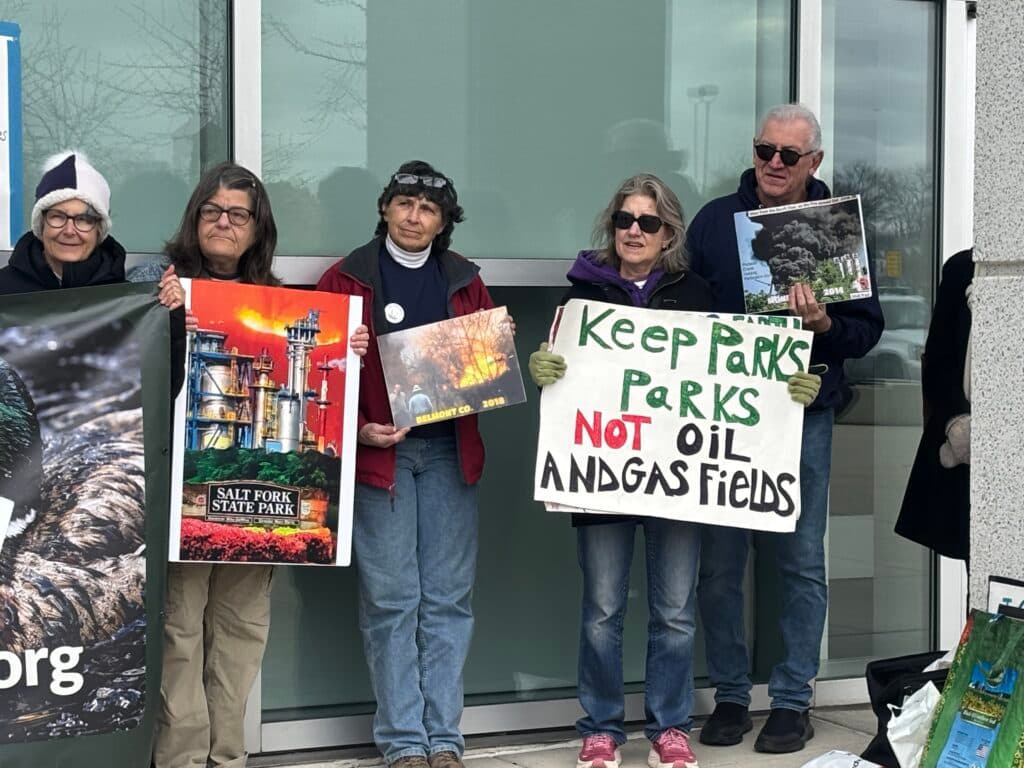
The criticism focuses on Ohio’s approach to regulating activities that affect air, land, and water quality, with protesters recently gathering outside the Ohio Department of Public Safety building before an Ohio Oil and Gas Land Management Commission meeting to oppose hydraulic fracturing operations.
Historical Scientific Foundations
The environmental arguments reference foundational climate research dating back to 1895, when Swedish physics professor Svante Arrhenius delivered a lecture linking climatic change to atmospheric carbon dioxide levels. Arrhenius, who developed the pH scale for acids and bases, theorized that carbon dioxide emissions from fossil fuel combustion would impact Earth’s surface warming.
Earlier research by scientist Eunice Foote demonstrated that a glass tube filled with CO2 absorbed infrared heat while a tube containing oxygen did not. This experiment helped establish that gases including methane, water vapor, carbon dioxide, and fluorinated gases absorb infrared energy and contribute to atmospheric warming.
Current Policy Debates
Environmental groups argue that despite this scientific foundation spanning more than a century, current political leadership continues to dispute climate science findings. They point to the reversal of the 2009 Endangerment Finding, which classified greenhouse gas emissions including carbon dioxide as air pollutants under the Clean Air Act that endanger public health and welfare.
The criticism extends beyond federal policy to state-level decisions in Ohio, where environmental advocates say officials are permitting activities that compromise air, land, and water quality despite available scientific evidence.
Industry Research Acknowledgment
According to the environmental groups, even major fossil fuel companies have conducted internal research that acknowledges climate change impacts. ExxonMobil scientists have produced studies that accurately predicted climate change effects, according to Harvard-led analysis of the company’s internal research.
The ongoing debate reflects broader tensions between environmental protection advocates and state regulators over how scientific research should inform policy decisions affecting Ohio’s natural resources and public health.
Environmental groups continue to organize opposition to state policies they view as inconsistent with established climate science, calling for greater consideration of research dating back more than 120 years when making regulatory decisions.