Missouri Courts Repeatedly Rewrite Ballot Language Amid Direct Democracy Fights
Missouri judges have rewritten Secretary of State Denny Hoskins’ ballot descriptions eight times in 18 months, turning election administration into a major political battleground.


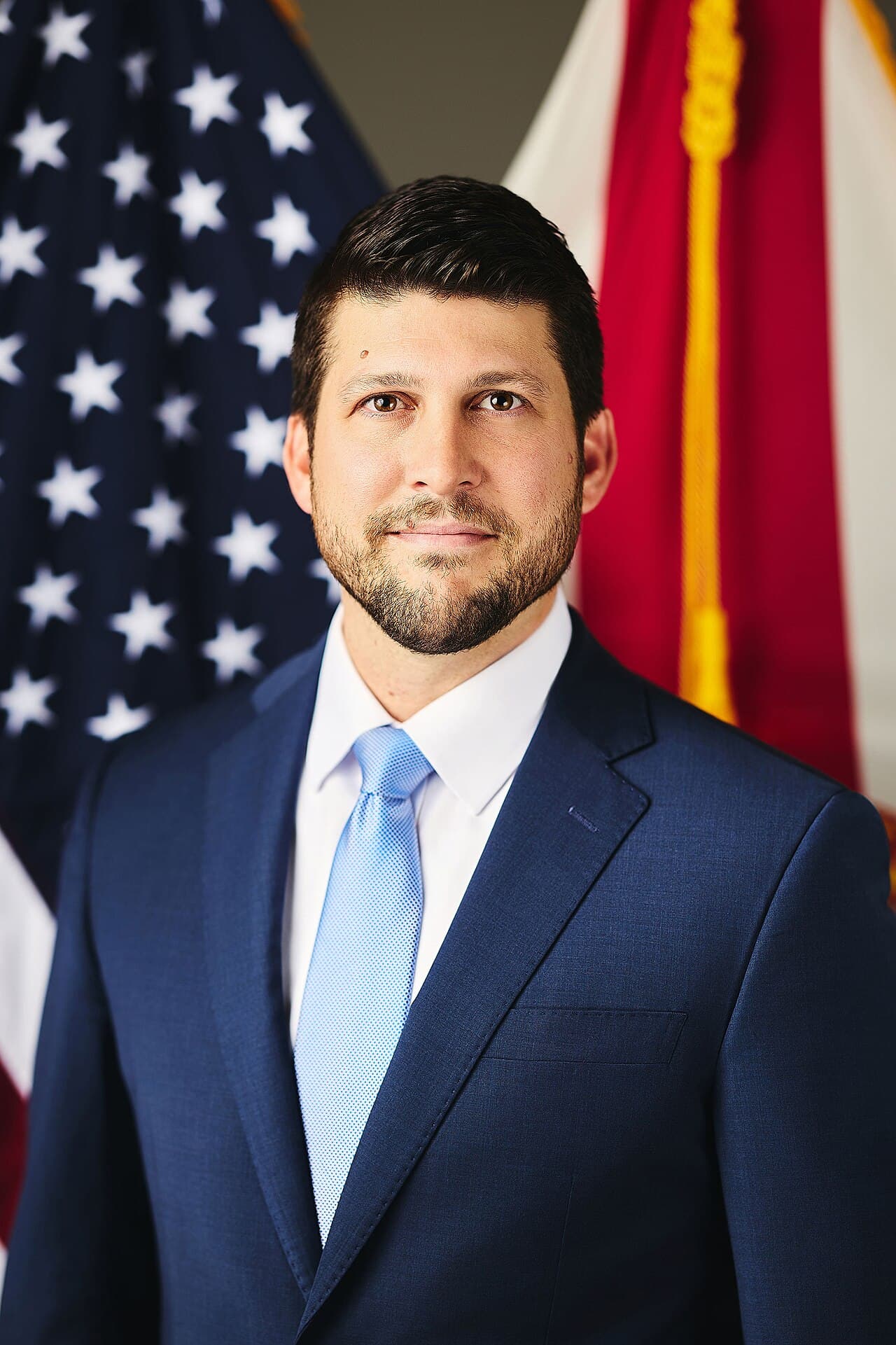
JEFFERSON CITY, MISSOURI — Missouri Secretary of State Denny Hoskins has faced judicial rejection of his ballot language descriptions eight times in 18 months, as courts increasingly intervene to rewrite what voters see at the polls.
Since taking office, Hoskins has had judges reject or rewrite his descriptions five times on measures involving abortion, redistricting, public education, private-school funding and the initiative-petition process itself. Courts have rewritten ballot summaries drafted by Republican lawmakers three times for proposed constitutional amendments dealing with abortion, changing how citizen initiatives pass and phasing out the income tax.
The pace of judicial interventions has transformed ballot language from a technical administrative process into one of Missouri’s most contentious political battlegrounds, according to legal experts tracking the trend.
National Pattern of Direct Democracy Restrictions
“We’ve seen a huge increase in attempts by state legislatures and state officials to make it harder for their citizens to use their initiative and referendum rights,” said Derek Clinger, senior counsel for the State Democracy Research Initiative at the University of Wisconsin Law School.
“Missouri has probably been the hottest spot in the last couple of years for these types of conflict,” Clinger added.
The conflicts represent part of a broader national trend as voters in Republican-led states have used citizen-led measures to approve policies lawmakers opposed or refused to enact. In response, state officials have implemented higher passage thresholds, tighter signature requirements, post-election rollbacks and more aggressive fights over official ballot language.
Intensifying Ballot Language Disputes
While ballot language has historically drawn occasional lawsuits, experts say the conflicts have become more frequent and intense in recent years. The disputes center on the few official sentences voters see when casting their ballots.
David Niven, a University of Cincinnati political scientist who studies campaigns and political behavior, noted the growing significance of these seemingly technical disputes in shaping electoral outcomes.
The pattern of judicial interventions in Missouri reflects a state where direct democracy mechanisms remain active despite legislative efforts to restrict citizen initiative processes. Courts have consistently found Hoskins’ ballot descriptions to be unfair, insufficient or misleading, requiring rewrites before measures can proceed to voters.
Administrative Process Becomes Political Battleground
The secretary of state’s constitutional duty involves reducing complicated ballot measures to brief, understandable summaries for voters. However, the repeated judicial interventions suggest ongoing disagreements about how neutrally these summaries present complex policy proposals.
Recent court decisions have addressed ballot language across a wide range of policy areas, from reproductive rights and electoral processes to taxation and education funding. The frequency of rewrites indicates sustained tension between how state officials craft ballot language and judicial standards for fair voter information.
Missouri’s experience illustrates broader challenges facing direct democracy as political polarization intensifies around citizen initiative processes nationwide. The state’s high-profile ballot language disputes have made it a closely watched example of how administrative decisions can become flashpoints in larger democratic debates.