Two-Thirds of US Experiences Drought Despite Intense Storm Increases
Despite more intense storms nationwide, two-thirds of America faces drought as warming temperatures disrupt the natural water cycle.

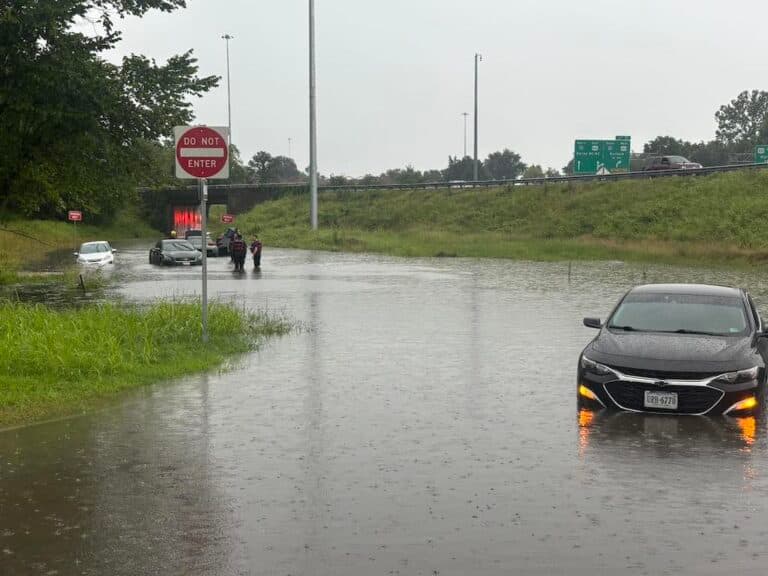
COLUMBUS, OHIO — About two-thirds of the United States is experiencing some stage of drought in late spring 2026, even as the country sees increasingly intense storms and downpours, according to new research highlighting the complex effects of rising global temperatures on the nation’s water cycle.
The seemingly contradictory weather patterns both stem from the same cause: warmer temperatures that are fundamentally altering how water moves through the environment, researchers say.
Intense Storms Create Water Runoff Problems
As the Earth warms, more precipitation arrives in intense storms that deliver more water than landscapes can absorb effectively. When storms drop a few inches of rain over several days, the water typically soaks into soil, nourishing plants and replenishing groundwater supplies.
However, during heavy downpours, rain cannot penetrate the ground fast enough, causing much of the water to run off instead of being absorbed. This runoff often contributes to flooding while failing to address underlying drought conditions in the affected areas.
Faster Evaporation Compounds Drought Issues
Water evaporates more rapidly in warmer temperatures, creating additional challenges for drought-prone regions. Despite an increase in total annual precipitation nationally, landscapes are drying out more rapidly as temperatures rise, resulting in more severe and frequent drought conditions.
The research comes from hydrologists studying broad shifts in the terrestrial hydrological cycle and their implications for people and ecosystems that depend on consistent water supplies.
Water Cycle Fundamentals Under Pressure
The terrestrial hydrological cycle operates through two primary mechanisms: precipitation that adds moisture to the ground and evapotranspiration, which includes water evaporating from land surfaces and moisture released by plants through their leaves.
Over extended periods, the total precipitation minus total evapotranspiration determines regional water availability. Climate change is disrupting this balance across various climate zones worldwide.
The effects are becoming visible in regions experiencing both extreme flooding during storm events and prolonged drought periods between precipitation events. This pattern represents a shift from historical weather patterns that provided more consistent water distribution throughout the year.
Current drought monitoring data shows the extent of dry conditions affecting the majority of the continental United States, while recent flooding events in areas like Petersburg, Virginia, demonstrate the intensity of modern storm systems.
Scientists emphasize that understanding these interconnected weather phenomena is key for developing effective water management strategies as climate patterns continue evolving.