Trump Administration Asks Supreme Court to Allow Voter Roll Reviews Before Elections
Trump administration seeks Supreme Court backing to let states check voter rolls for noncitizens days before elections, sparking clash over voting rights protections.

COLUMBUS, OHIO — The Trump administration has asked the U.S. Supreme Court to allow states to review their voter rolls for noncitizens just days before elections, a move that voting rights advocates warn could disenfranchise eligible American voters.
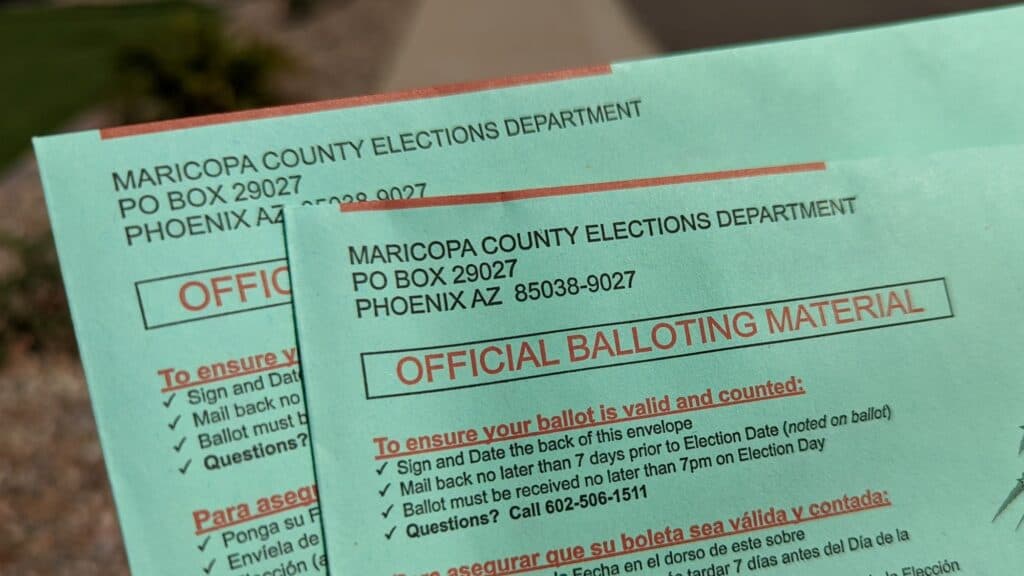
The U.S. Department of Justice filed a petition with the Supreme Court on Tuesday requesting the court take up a legal dispute between the Republican National Committee and Democratic and voting rights groups over voting restrictions in Arizona. The case could significantly expand states’ authority to purge alleged noncitizen voters close to elections.
If the Supreme Court accepts the case, the decision could arrive before the 2028 presidential election and would represent a major victory for supporters of the SAVE America Act, President Donald Trump’s signature elections legislation currently stalled in Congress.
Arizona’s Citizenship Requirements Under Review
The legal fight centers on Arizona’s requirement that individuals provide proof of citizenship, such as a birth certificate or passport, to vote in state elections. Residents who cannot provide such documentation may still register using a federal form, but they can only vote in federal elections.
Under Arizona law, election officials must run the names of federal-only voters through a U.S. Department of Homeland Security computer program designed to identify possible noncitizens. The Justice Department argues the Supreme Court should uphold this system and rule it does not violate federal voting laws.
The U.S. 9th Circuit Court of Appeals previously ruled that Arizona’s law violates the National Voter Registration Act, a 1993 federal statute that establishes rules for voter registration and sets strict limits on when states can remove voters from their rolls.
Federal Law Restrictions at Stake
The National Voter Registration Act imposes strict restrictions on canceling voter registrations within 90 days of a federal election. The Trump administration’s position challenges these protections, seeking greater flexibility for states to conduct voter roll maintenance activities closer to election dates.
Voting rights advocates argue that allowing voter roll purges close to elections increases the risk of removing eligible voters who may not have sufficient time to resolve registration issues before casting their ballots. They contend such practices could disproportionately affect naturalized citizens and other eligible voters who may face bureaucratic challenges in proving their citizenship status.
The case is part of broader national efforts to implement stricter voter verification requirements and expand states’ authority to maintain voter registration databases. Similar laws requiring proof of citizenship for voter registration have been proposed or enacted in multiple states across the country.
The Supreme Court has not yet indicated whether it will accept the case for review. If the court declines to hear the matter, the 9th Circuit’s ruling against Arizona’s law would stand, at least within that judicial circuit’s jurisdiction covering western states.