Supreme Court Case Could Impact Generic Drug Access, Costs
Supreme Court case heard in April could restrict access to generic drugs through ‘skinny labeling,’ potentially raising prescription costs for millions of Americans.

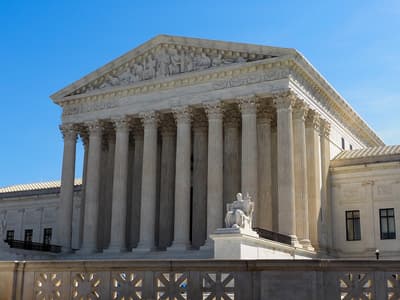
WASHINGTON — A U.S. Supreme Court case heard April 29 could significantly affect Americans’ access to cheaper generic medications, potentially raising prescription drug costs for millions of patients who rely on generic alternatives to brand-name drugs.
The case, Hikma Pharmaceuticals USA Inc. v. Amarin Pharma, Inc., centers on whether generic drug manufacturer Hikma infringed on a cardiovascular medication patent held by Amarin when it marketed the drug for an unpatented use. The practice at issue is known as “skinny labeling,” which serves as a key pathway for bringing cheaper generic drugs to market sooner.
Patient Concerns About Rising Costs
John Bailey, a 68-year-old from central Texas who has saved tens of thousands of dollars over the past decade using a generic cholesterol medication, expressed concern about the case’s potential impact. Bailey was able to access the generic version because the patent on the brand-name medication had expired.
“It’s probably going to make a difference in how much we pay,” Bailey said while sightseeing near the Supreme Court building.
Bailey represents millions of Americans who depend on generic medications for affordability. He and others worry that the court’s decision could restrict broader access to generic drugs.
Understanding Skinny Labeling
Skinny labeling allows generic drug manufacturers to produce medications while avoiding patent-protected uses of those same drugs. According to The Journal of the American Medical Association, this practice has been instrumental in making generic medications available to patients before all patents expire on brand-name versions.
The Supreme Court’s decision will determine whether this manufacturing and marketing approach constitutes patent infringement, potentially affecting how quickly and affordably generic drugs can reach consumers.
Broader Implications for Healthcare Costs
The outcome of this case could have far-reaching consequences for prescription drug pricing across the United States. Generic medications typically cost significantly less than their brand-name counterparts, making prescription drugs accessible to patients who might otherwise be unable to afford necessary treatments.
If the Supreme Court rules against Hikma Pharmaceuticals, it could limit the skinny labeling pathway that has helped bring numerous generic medications to market ahead of full patent expiration. Such a ruling might result in longer waits for generic alternatives and higher prescription costs for patients.
The case highlights ongoing tensions between pharmaceutical patent protection and efforts to increase access to affordable medications. The court’s decision is expected to provide clarity on how generic drug manufacturers can navigate existing patent structures while continuing to offer cost-effective alternatives to consumers.