Strong Thunderstorms Track Across Central Georgia, Bringing High Winds and Hail
Severe thunderstorms with 50 mph winds and nickel-sized hail tracked across central Georgia, threatening multiple communities from Sylvester to Hartwell.

PEACHTREE CITY, GEORGIA — Severe thunderstorms moved across central and eastern Georgia on Wednesday afternoon, prompting the National Weather Service to issue special weather statements warning of damaging winds, hail, and dangerous lightning.
The strongest storm system tracked northward through central Georgia at 25 mph, bringing winds of 40 to 50 mph and nickel-sized hail. At 3:25 PM EDT, radar indicated the storm was positioned over Doles, approximately 13 miles north of Sylvester, according to the National Weather Service Peachtree City office.
Multiple Storm Systems Threaten Communities
Weather officials tracked several distinct storm cells across the region throughout the afternoon. A separate thunderstorm moved through the Buena Vista area at 3:12 PM EDT, while another system passed over Po Biddy Crossroads near Talbotton at 3:15 PM EDT.
The easternmost storm system tracked near Carnesville at 3:05 PM EDT, moving northeast at 45 mph with wind gusts up to 40 mph and penny-sized hail, according to the National Weather Service Greenville-Spartanburg office.
Widespread Impact Areas
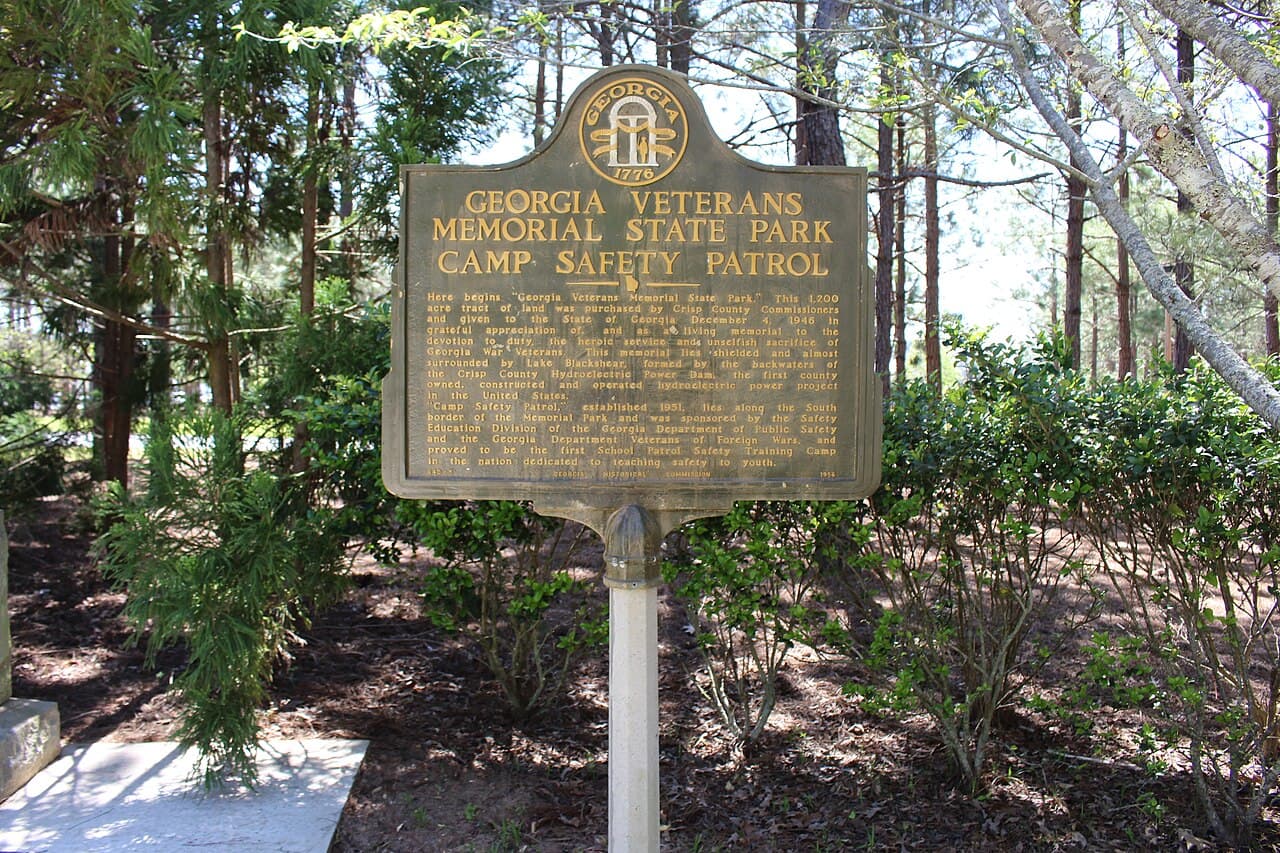
The storms threatened numerous communities across central Georgia. The system near Sylvester impacted Cordele, Fort Early, Wenona, Georgia Veterans Memorial State Park, and Raines. The Buena Vista storm affected Geneva, Putnam, Brantley, Tazewell, Marion Estates, Doyle, Charing, Oakland, and Mauk.
Communities in the path of the Talbotton storm included Thomaston, Woodland, Lincoln Park, Sunset Village, Sprewell Bluff State Park, Pleasant Hill, Baldwinville, Big Lazer Creek Wildlife Management Area, and Po Biddy Crossroads. The eastern Georgia storm impacted Hartwell, Carnesville, Toccoa, Seneca, Royston, Reed Creek, Lavonia, Gumlog, Iva, and Canon.
Expected Damage and Safety Concerns
Weather officials warned residents to expect minor damage to tree limbs and the displacement of light, unsecured objects due to the powerful winds. The storms also produced frequent cloud-to-ground lightning, creating additional safety hazards for outdoor activities.
All storm systems were radar-indicated, meaning meteorologists tracked them using Doppler radar technology rather than ground-based reports. The National Weather Service issued the alerts to provide advance warning to residents in the storms’ projected paths.
The special weather statements remained in effect as the storm systems continued their northward progression through the region. Residents in affected areas were advised to secure outdoor objects and avoid outdoor activities until the storms passed.