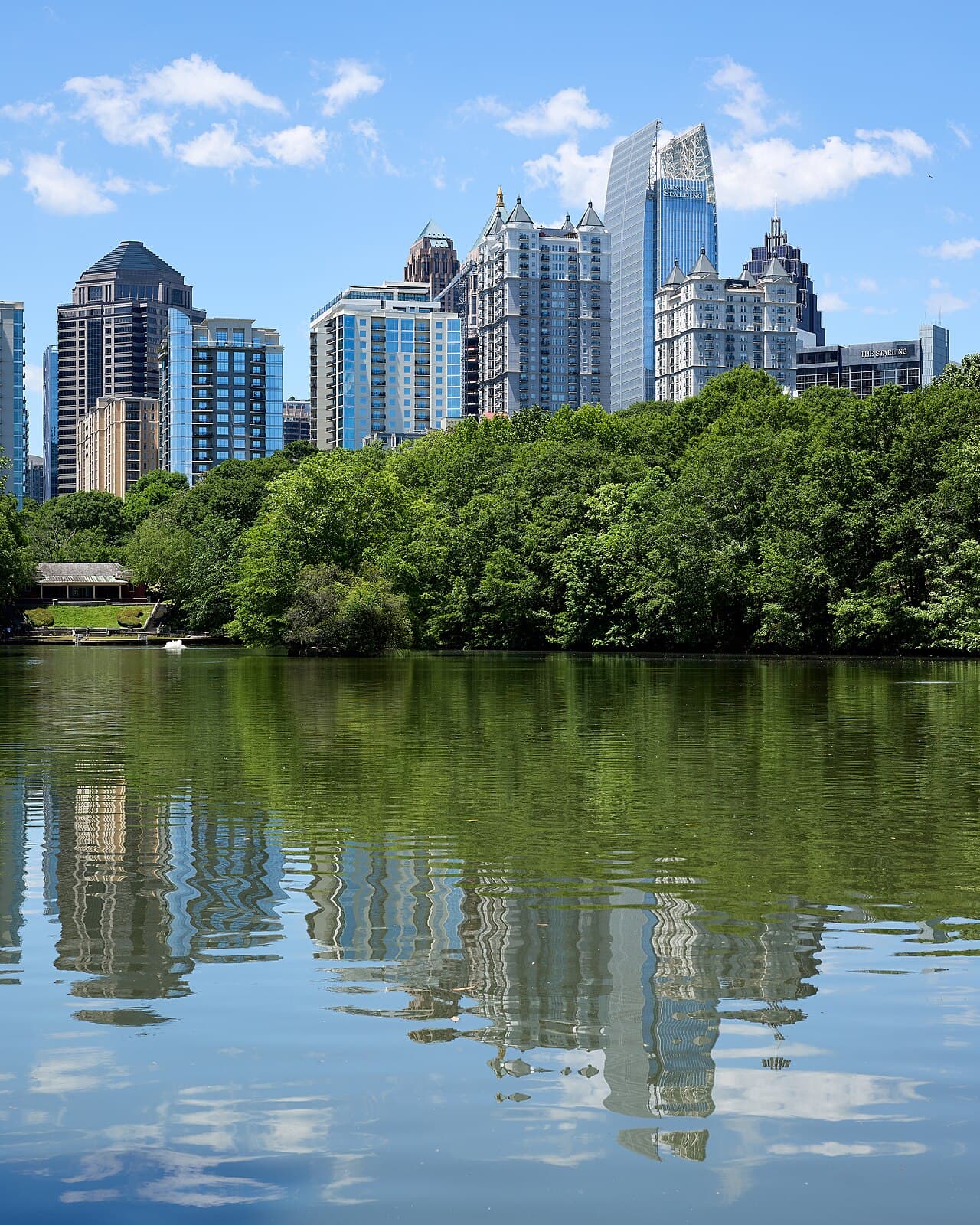
Flash Flood Warning Issued for Downtown Atlanta as Heavy Rains Pummel Metro Area
Heavy thunderstorms dumped up to three inches of rain on Atlanta, triggering life-threatening flash flooding along major interstates and throughout downtown neighborhoods.


ATLANTA, GEORGIA — The National Weather Service issued a flash flood warning for downtown Atlanta and surrounding areas on May 20 after thunderstorms dropped between two and three inches of rain on the city, creating dangerous flooding conditions along major highways and urban areas.
The warning, issued at 5:48 PM EDT by the NWS Peachtree City office, remained in effect until 11:15 PM EDT on May 20. Broadcast media reported flooding along Interstate 75 and Interstate 85 near downtown Atlanta, including areas around the Freedom Parkway, Peachtree Street, and Pine Street exits.
“Life threatening flash flooding of creeks and streams, urban areas, highways, streets and underpasses” was occurring across the affected region, according to the weather service alert. Additional rainfall amounts up to half an inch were possible in the warned area.
Multiple Neighborhoods Under Threat
The flash flood warning covered eastern Fulton County and west central DeKalb County in north central Georgia. Numerous Atlanta neighborhoods were identified as experiencing or expected to experience flash flooding conditions.
Areas under threat included Atlanta, Midtown, Grant Park-Zoo Atlanta, Druid Hills, North Druid Hills, Piedmont Park, Atlantic Station, Sweet Auburn, Virginia Highland, Little Five Points, West End, Turner Field, Bankhead, La Vista and Kirkwood.
Radar Shows Ongoing Storm Activity
Earlier radar data from 5:16 PM EDT showed thunderstorms producing heavy rainfall across the warned area, with between one and 1.5 inches already recorded at that time. The National Weather Service reported an expected rainfall rate of one to two inches within 30 minutes.
The weather service warned that flash flooding would impact small creeks and streams, urban areas, highways, streets and underpasses, as well as other areas with poor drainage and low-lying terrain. The combination of rapid rainfall rates and urban infrastructure created particularly dangerous conditions for motorists and pedestrians.
Doppler radar indicated the thunderstorm system was producing the heavy precipitation that led to the emergency conditions across the metro Atlanta area. The weather service classified the flooding as life-threatening, emphasizing the serious nature of the rainfall event affecting Georgia’s largest metropolitan area.