Senate GOP splits with Trump over $1.8B ‘anti-weaponization’ fund
Senate Republicans force delays in Trump’s $72B immigration package over concerns about controversial $1.8B settlement fund for ‘victims of lawfare.’

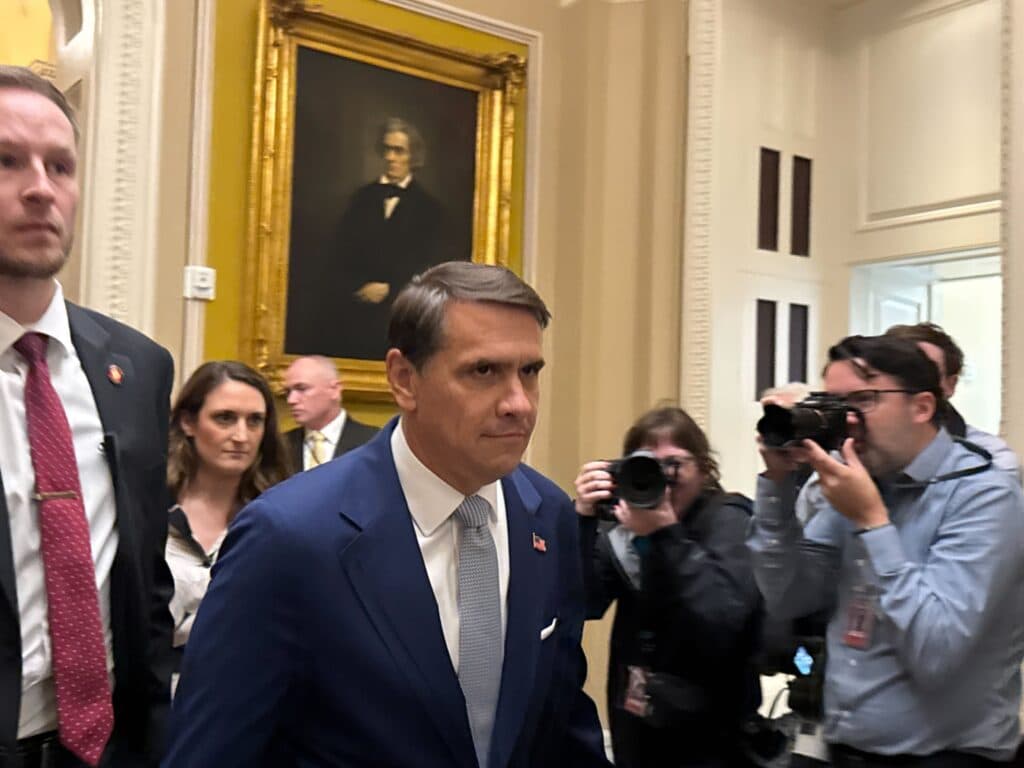
WASHINGTON, D.C. — Senate Republicans showed resistance to President Donald Trump on Thursday, forcing delays in a multibillion-dollar immigration enforcement package over concerns about the administration’s controversial $1.776 billion “anti-weaponization” fund.
The administration dispatched Acting Attorney General Todd Blanche to Capitol Hill for closed-door meetings as Republican senators demanded restrictions on Trump’s settlement fund as a condition for approving the proposed $72 billion for the departments of Homeland Security and Justice.
“It’s unprecedented to see a settlement between two parties that seem to be the same person,” said Sen. Rand Paul, R-Ky., who described the hourslong meeting with Blanche as including “spirited discussion.”
Settlement Fund Sparks Congressional Concerns
The Department of Justice announced Monday that the $1.776 billion fund would compensate “victims of lawfare” in exchange for Trump dropping his $10 billion lawsuit against the IRS. Both the Justice Department and IRS operate under Trump’s executive authority, raising questions among lawmakers about the unusual arrangement.
The settlement fund is a significant component of the broader immigration enforcement package, which seeks to fund Trump’s immigration priorities for the remainder of his presidential term. Senate Republicans, typically aligned with Trump’s policy agenda, have expressed skepticism about the fund’s structure and oversight mechanisms.
Immigration Package Faces Delays
Thursday’s Capitol Hill meeting between Blanche and Senate Republicans highlighted growing tensions within the party over the administration’s approach to settling the lawsuit. The extended discussions forced further postponement of votes on the comprehensive immigration enforcement funding package.
The $72 billion proposal encompasses funding for various immigration enforcement activities across multiple federal agencies. However, Republican senators have indicated they want to attach conditions and restrictions to Trump’s anti-weaponization fund before proceeding with the broader legislation.
The disagreement between Trump and his own party in the Senate demonstrates the complex political dynamics surrounding the settlement arrangement. Republicans have generally supported Trump’s immigration enforcement priorities but appear hesitant about the precedent set by the lawsuit settlement structure.
The delayed vote means the immigration enforcement package will require additional negotiations between the administration and Senate Republicans before moving forward. The outcome could affect funding for various border security and immigration enforcement initiatives planned for the remainder of Trump’s term.