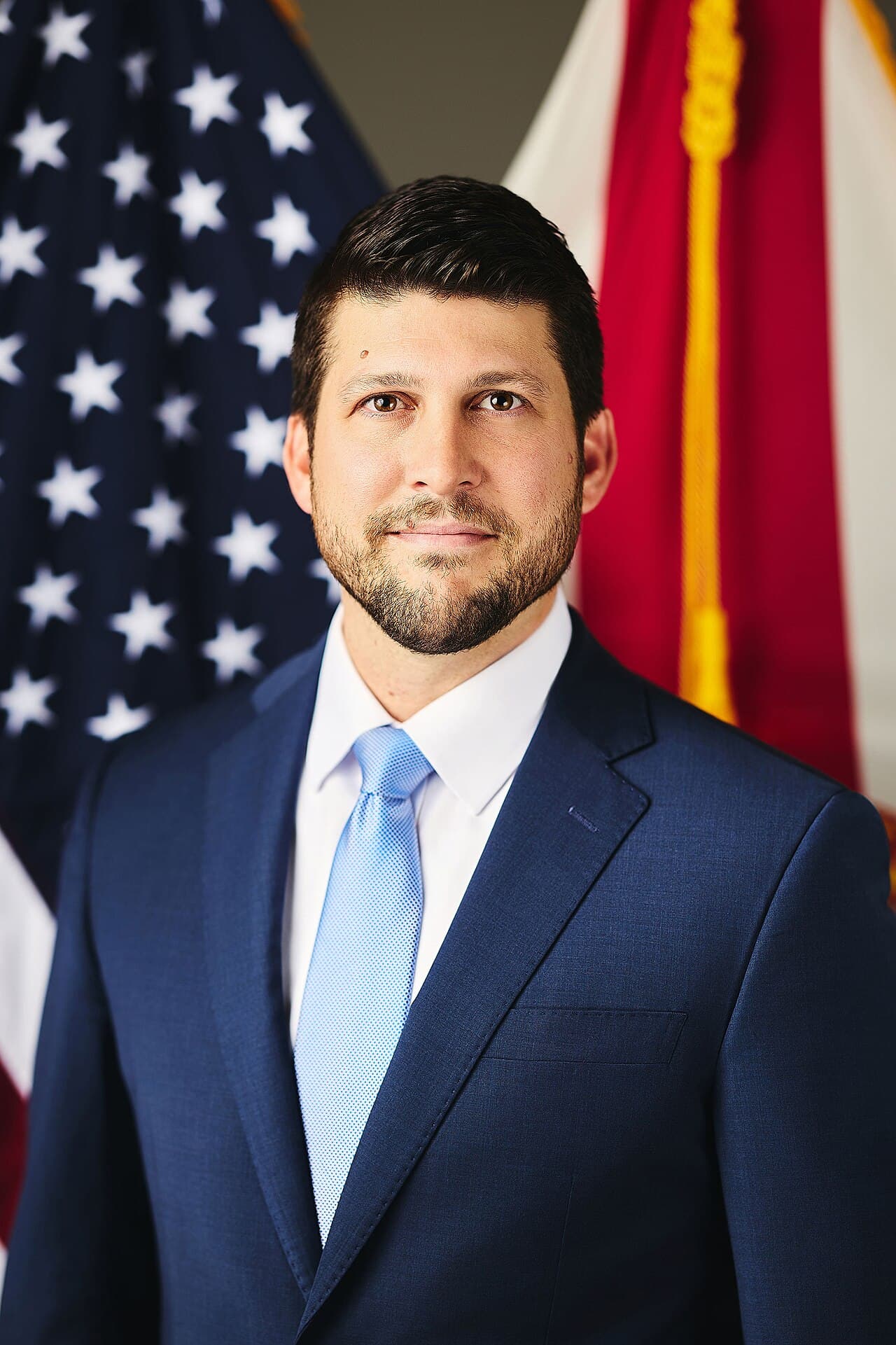
Rep. Buddy Carter’s $8.1M Senate Campaign Falls Short in Primary
Congressman’s $8.1 million Senate campaign ends with third-place finish in GOP primary, losing by over 140,000 votes to Mike Collins despite strong home district support.

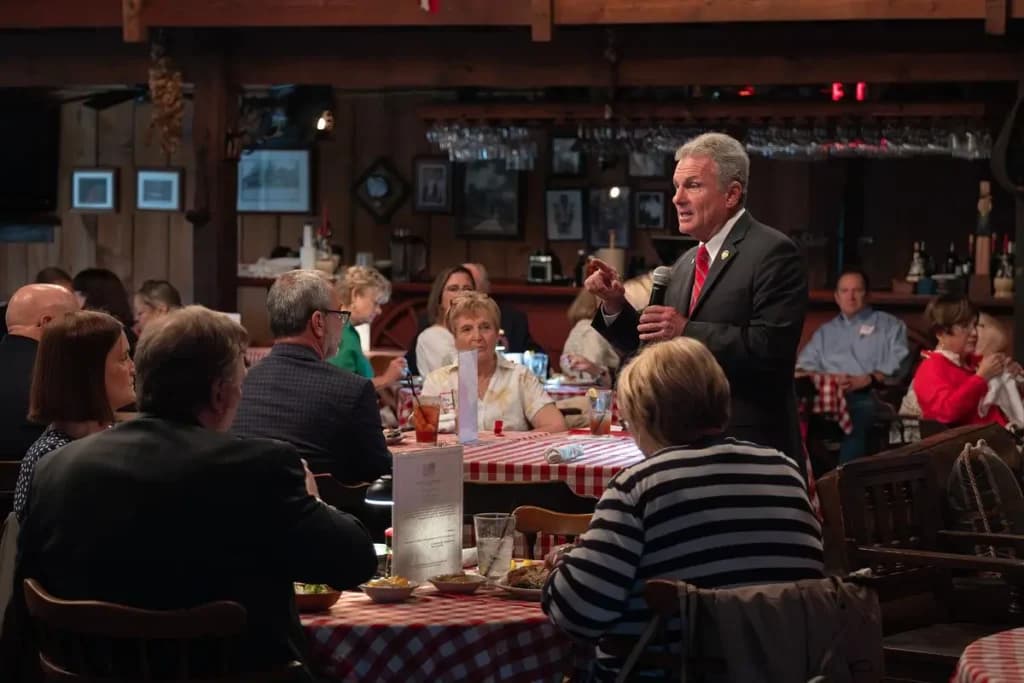
ATLANTA, GEORGIA — U.S. Rep. Buddy Carter’s bid for the Republican Senate nomination ended Tuesday night after a decisive defeat in the three-way primary race, despite spending $8.1 million on his campaign to challenge Democratic incumbent Jon Ossoff in November.
Carter finished third in the GOP primary behind winner Rep. Mike Collins and second-place finisher Derek Dooley. The Coastal Georgia congressman lost to Dooley by more than 46,000 votes and to Collins by more than 140,000 votes.
“You have to put your best player on the field, the one who gives you the best chance to win,” Carter said Monday at Savannah‘s charter airline terminal on the final day of campaigning before Tuesday’s primary election.
MAGA Warriors Face Off
The primary featured a contest between two self-described “MAGA warriors” in Carter and Collins, along with traditional Republican Derek Dooley. Carter had positioned himself as the candidate best equipped to defeat Ossoff in the general election while defending his conservative credentials.
The Collins campaign targeted Carter directly during the race, branding him on social media as the “squeaker” from Savannah whose colleagues “just call him ‘an ass.'” Collins’ campaign promoted what they called their candidate’s “rancorous, acerbic, in-your-face brand of ‘MAGA warrior'” as an alternative to Carter’s more moderate approach.
Carter won the most votes in five counties within his 1st Congressional District: Brantley, Pierce, Wayne, Appling, and Effingham. However, even in these Republican strongholds that comprise Carter’s political base, Collins managed to capture an average of 30% of the vote.
Home District Challenges
In Chatham and Glynn counties, the two largest counties in Carter’s district, Collins received nearly 8,000 votes compared to Carter’s 17,000. The strong showing by Collins in Carter’s own congressional district highlighted the congressman’s struggle to consolidate Republican support.
Political analysts suggest that had Carter collected a larger share of the vote in his home region, he might have overtaken Dooley for second place and advanced to next month’s runoff election.
Political Balancing Act
Carter faced what observers described as a politically difficult balancing act throughout his Senate campaign. He argued that he represented the best chance to defeat Ossoff in November, a strategy that would have required appealing to moderate Republicans and independent voters.
Simultaneously, Carter claimed to be the true “MAGA warrior” in the race and actively pursued former President Trump’s endorsement by defending the president’s policies and positions. This dual approach appeared to struggle with primary voters who had clearer alternatives in both Collins and Dooley.
The defeat ends Carter’s Senate ambitions and leaves him without a clear political path forward, as he gave up his House seat to pursue the Senate nomination. The Republican nominee will face Ossoff, who is seeking his second full term in the U.S. Senate, in the November general election.