Pennsylvania Receives $193 Million in Federal Funds for Rural Healthcare
Pennsylvania unveils plans to distribute $193 million in federal rural healthcare funding during stakeholder meeting, with tight October deadline looming.

HARRISBURG, PENNSYLVANIA — Pennsylvania officials outlined plans for distributing $193 million in federal funding aimed at strengthening rural healthcare infrastructure during a nearly three-hour stakeholder meeting Wednesday at the state capitol.
The funds represent the first installment of Pennsylvania’s Rural Health Transformation Plan award, designed to help offset the $20 billion the state expects to lose in Medicaid dollars between 2028 and 2038. State leaders face tight deadlines to commit the money by October 30, 2026.
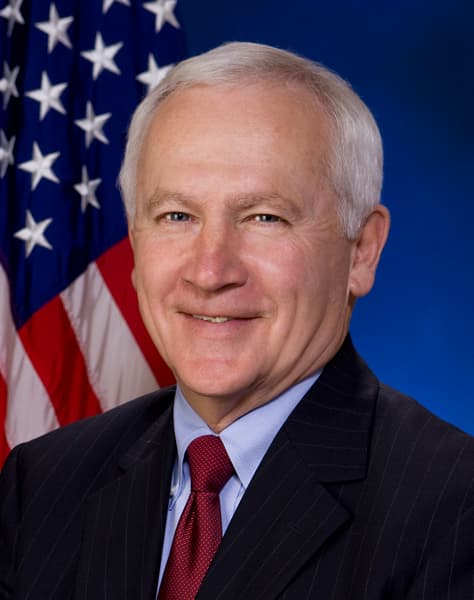
“Being from the rural, rural part of Pennsylvania, (healthcare is) something I hear about virtually every day,” said Sen. Gene Yaw (R-Lycoming), who chairs the Center for Rural Pennsylvania that hosted the meeting.
Funding Priorities and Constraints
State Secretary of Human Services Val Arkoosh noted that federal regulations limit how the money can be spent. “(The Centers for Medicare and Medicaid Services) had a lot of constraints on this … there’s a cap on how much money can be spent on electronic health records. So we can spend some, but we can’t spend as much as we would like,” Arkoosh said.
The commonwealth plans to focus initial funding on stabilization efforts, establishing committees to direct regional priorities and implementing specific targeted projects. With limited time to demonstrate success before the next round of applications begins, officials are prioritizing immediate impact initiatives.
Specific Programs Launch This Year
State leaders announced plans to allocate portions of the funding toward a public awareness campaign for 988, the mental health crisis hotline. Pennsylvania will also launch a pilot program providing car seats for parents who use transportation services to reach medical appointments.
“We heard (about this) from community members in every single place we went,” Arkoosh said regarding the car seat pilot program. “It’s a huge barrier.”
The funding represents the first of five anticipated rounds, with future allocations dependent on Pennsylvania’s ability to demonstrate effective use of initial dollars and meet federal requirements for rural healthcare improvement.
Rural healthcare access has become a significant issue across Pennsylvania, particularly as the state prepares for reductions in federal Medicaid support over the next decade. The transformation plan aims to build sustainable healthcare infrastructure that can continue serving rural communities beyond the federal funding period.