Pennsylvania Experiences Unusually Quiet Primary Season Despite Battleground Status
Pennsylvania sees unusually quiet primary season with minimal competition, contrasting sharply with heated contests in neighboring battleground states.

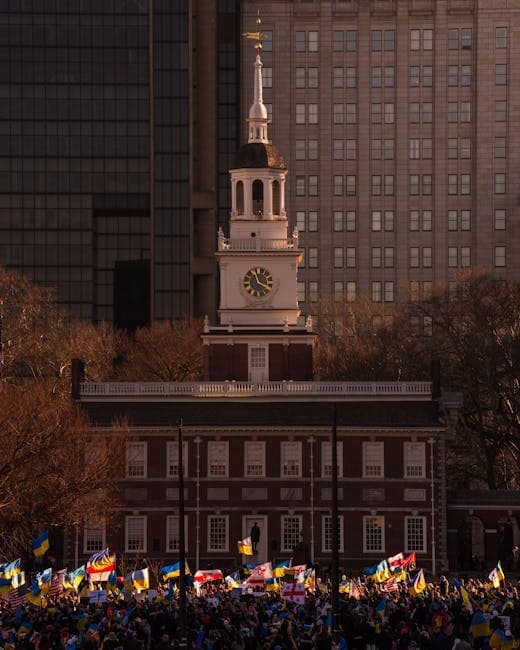
PHILADELPHIA, PENNSYLVANIA — Pennsylvania is experiencing one of its quietest primary election seasons in years, contrasting sharply with the competitive races making headlines in neighboring states like Georgia, Kentucky, Indiana, and Ohio.
According to research by a University of Pittsburgh political science professor who studies political representation, the Commonwealth’s typically contentious political scene has given way to an unusually calm election cycle with minimal competition in most races.
Limited Statewide Competition
Only one statewide race features a contested Republican primary this cycle. The lieutenant governor position sees GOP-endorsed attorney Jason Richey facing newcomer John Ventre for the party nomination.
The lack of competition extends throughout Pennsylvania’s legislative chambers. Less than one-third of state Senate incumbents drew primary challengers this year. In the state Assembly, only 21 of the 203 seats feature incumbents facing in-party challenges.
Contrast With National Trends
The subdued Pennsylvania primary season stands in stark contrast to the hard-fought contests capturing national attention in other states. Political observers note the irony that Pennsylvania, typically considered a hotbed of political strife and a perennial presidential battleground state, appears to be sitting out this midterm primary cycle.
This phenomenon raises questions about political engagement and competition in a state that has historically played key roles in national elections. Pennsylvania’s status as a swing state has made it a focal point for intense political competition in recent presidential cycles.
Understanding Uncontested Elections
Political scientists Shigeo Hirano and James M. Snyder Jr. have noted that uncontested primaries and elections are more common than many observers realize. Their research suggests such situations can occur for various institutional and strategic reasons within political systems.
The current primary situation in Pennsylvania reflects broader patterns in American politics, where incumbent advantage and party coordination can sometimes reduce the number of competitive races. However, the extent of uncontested races this cycle appears particularly pronounced compared to recent election years.
Primary elections in Pennsylvania will determine which candidates advance to the general election in November. The quiet primary season may shift attention to the fall campaign, when Pennsylvania’s electoral votes and legislative control could again become focal points of national political competition.