Ohio Lawmakers Struggle to Regulate AI Content as Deepfakes Spread
Ohio lawmakers struggle to pass AI regulations as deepfakes appear in political campaigns without required disclaimers, leaving state officials uncertain about enforcement.

COLUMBUS, OHIO — Ohio lawmakers recognize the need to regulate artificial intelligence-generated content as deepfakes proliferate in political campaigns and explicit material. However, proposed legislation has stalled in the General Assembly, leaving the state without protections against AI-created videos and images.
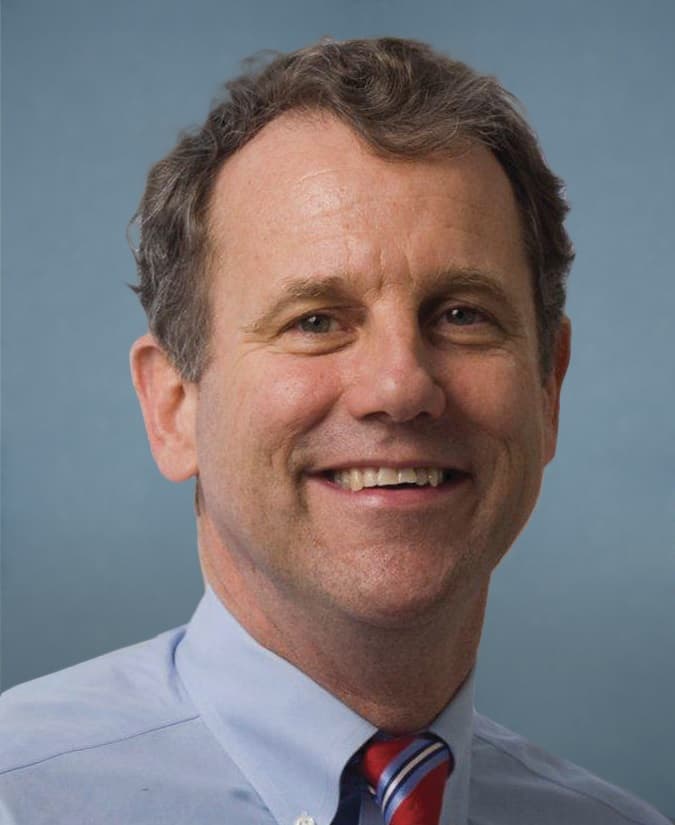
The regulatory gap has become apparent as AI-generated content increasingly appears in Ohio political campaigns without required disclaimers. A video from conservative political action committee Ohio Flyer PAC features former U.S. Sen. Sherrod Brown at a birthday party refusing to leave, with no indication the content was artificially generated.
“It is the government’s role to regulate responsibly new and emerging technologies,” said House Minority Leader Dani Isaacsohn, D-Cincinnati.
AI Content Surfaces in Primary Campaigns
During a contentious Republican primary for a state Senate seat, candidate Craig Reidel distributed campaign materials featuring AI-generated images of state Rep. Jim Hoops with drag queens. Another doctored animation showed Hoops dunking on a teenage girl while playing basketball, claiming he supported males competing in female sports. Reidel won the nomination despite the controversial content.
The materials obtained by investigators contained no disclaimers identifying the images as artificially generated, highlighting the enforcement challenges facing state officials.
Pending Legislation Addresses Multiple AI Concerns
Ohio House Bill 185 would grant individuals ownership rights over their image and classify malicious AI-generated content as trademark infringement without consent. The legislation establishes civil penalties reaching tens of thousands of dollars for violations.
A separate measure, Ohio House Bill 524, targets AI models that generate content encouraging self-harm or violence. Under this proposal, the state could investigate violations and impose civil penalties up to $50,000 on developers whose systems produce harmful material.
Lawmakers previously introduced bipartisan legislation in 2024 requiring disclaimers specifically on election-related AI content, though that measure failed to advance through the legislative process.
Enforcement Challenges Mount
State officials report uncertainty about their ability to enforce existing regulations against AI-generated political content. While political advertisements must include disclaimers identifying funding sources, determining authentic content from deepfakes presents increasing difficulties for regulators.
The proliferation of AI-generated explicit content compounds regulatory challenges beyond the political sphere. Current state laws lack specific provisions addressing artificially created intimate images or videos distributed without consent.
House Bill 185 represents the most comprehensive approach among pending proposals, extending beyond election content to encompass broader image rights protections. The legislation would establish legal frameworks for prosecuting malicious use of someone’s likeness in AI-generated material.
Ohio joins numerous states grappling with AI regulation as technology advances faster than legislative responses. The stalled bills reflect broader challenges lawmakers face balancing free speech protections with preventing misuse of artificial intelligence capabilities.