Ohio Governor Race Features Two Political Newcomers Making Similar Promises
Two political newcomers with no elected experience are vying for Ohio’s governor’s mansion this November, making remarkably similar promises despite their vastly different backgrounds.

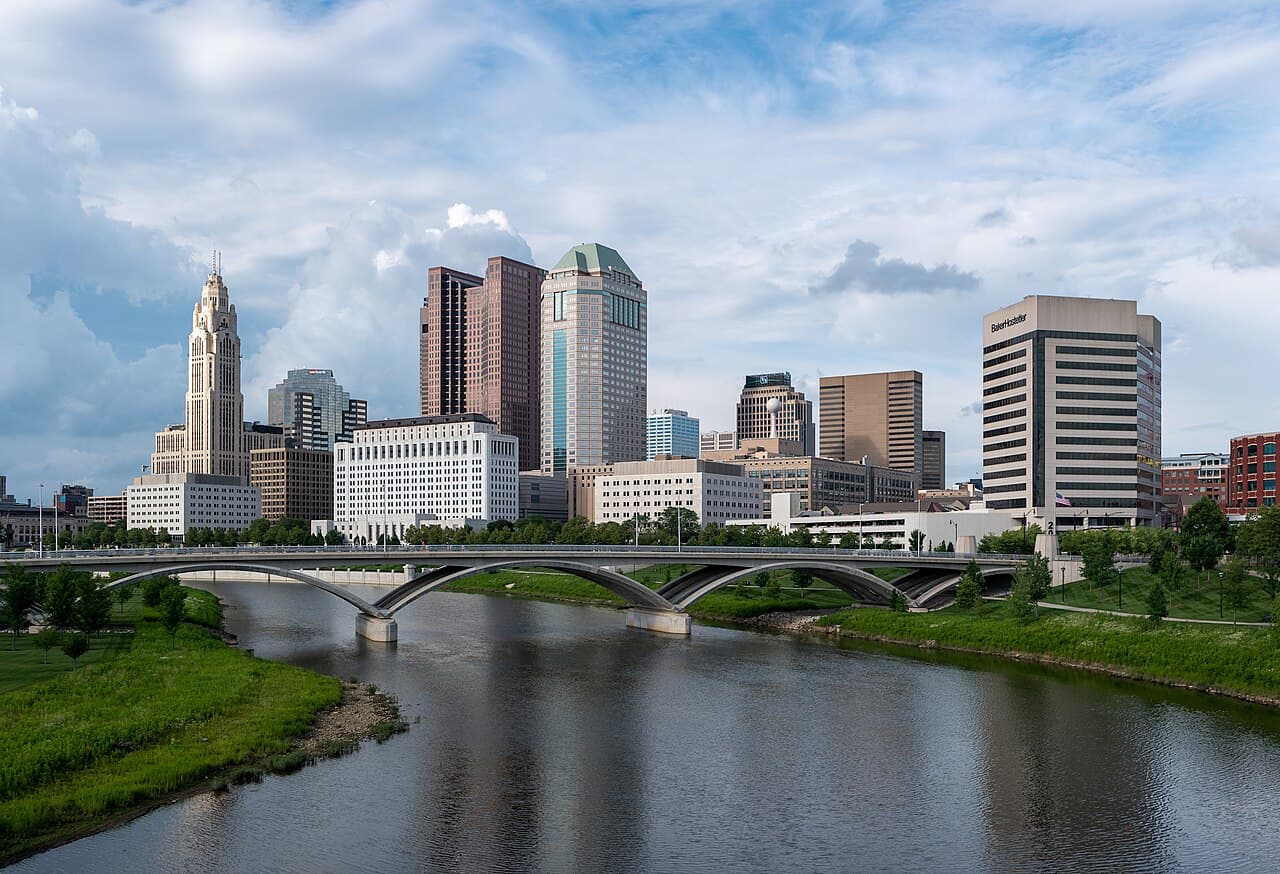
COLUMBUS, OHIO — Ohio voters will choose between two candidates who have never held elected office when they head to the polls this November for the governor’s race, marking the first time in nearly a century that both major parties have nominated political newcomers.
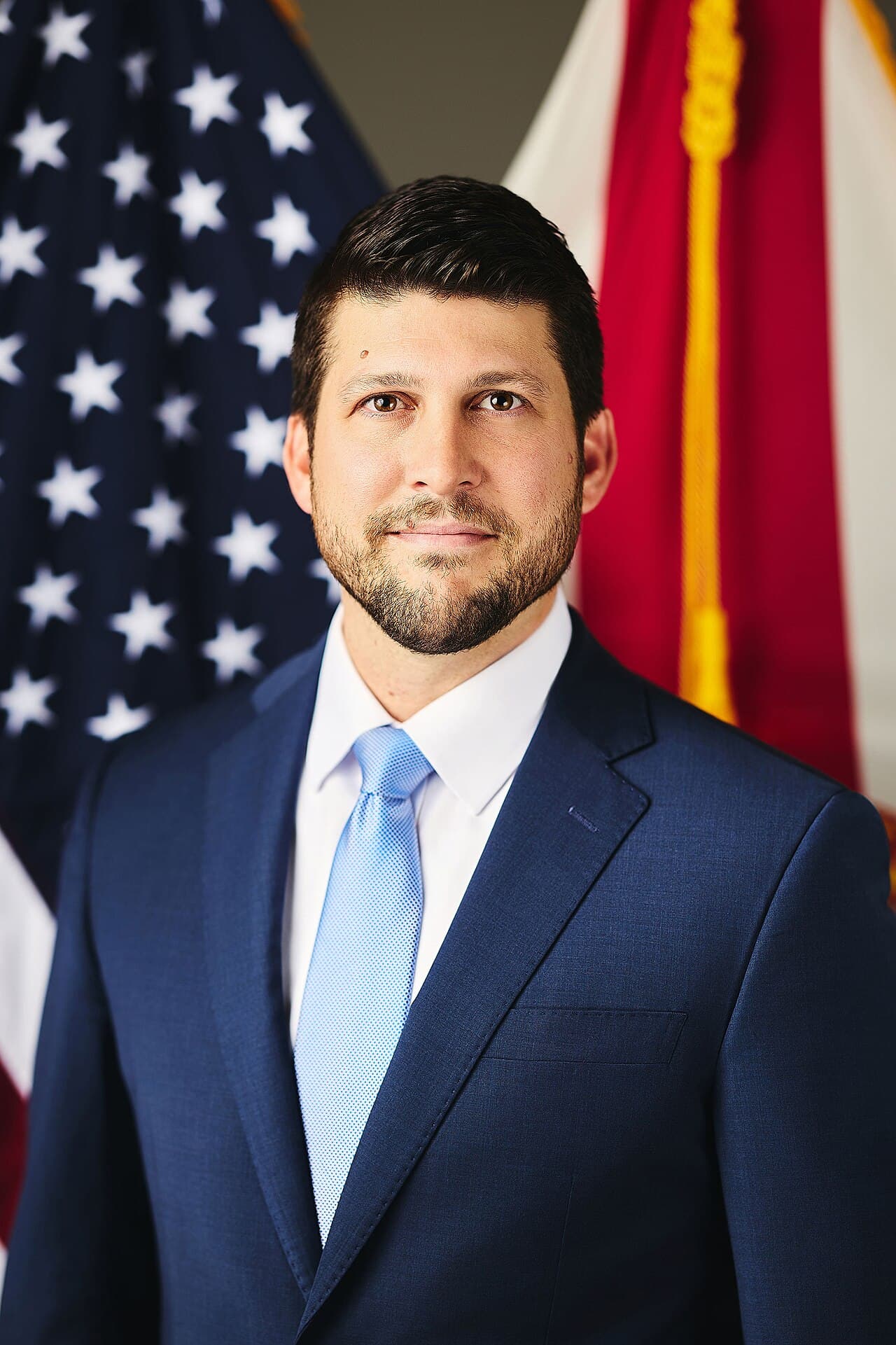
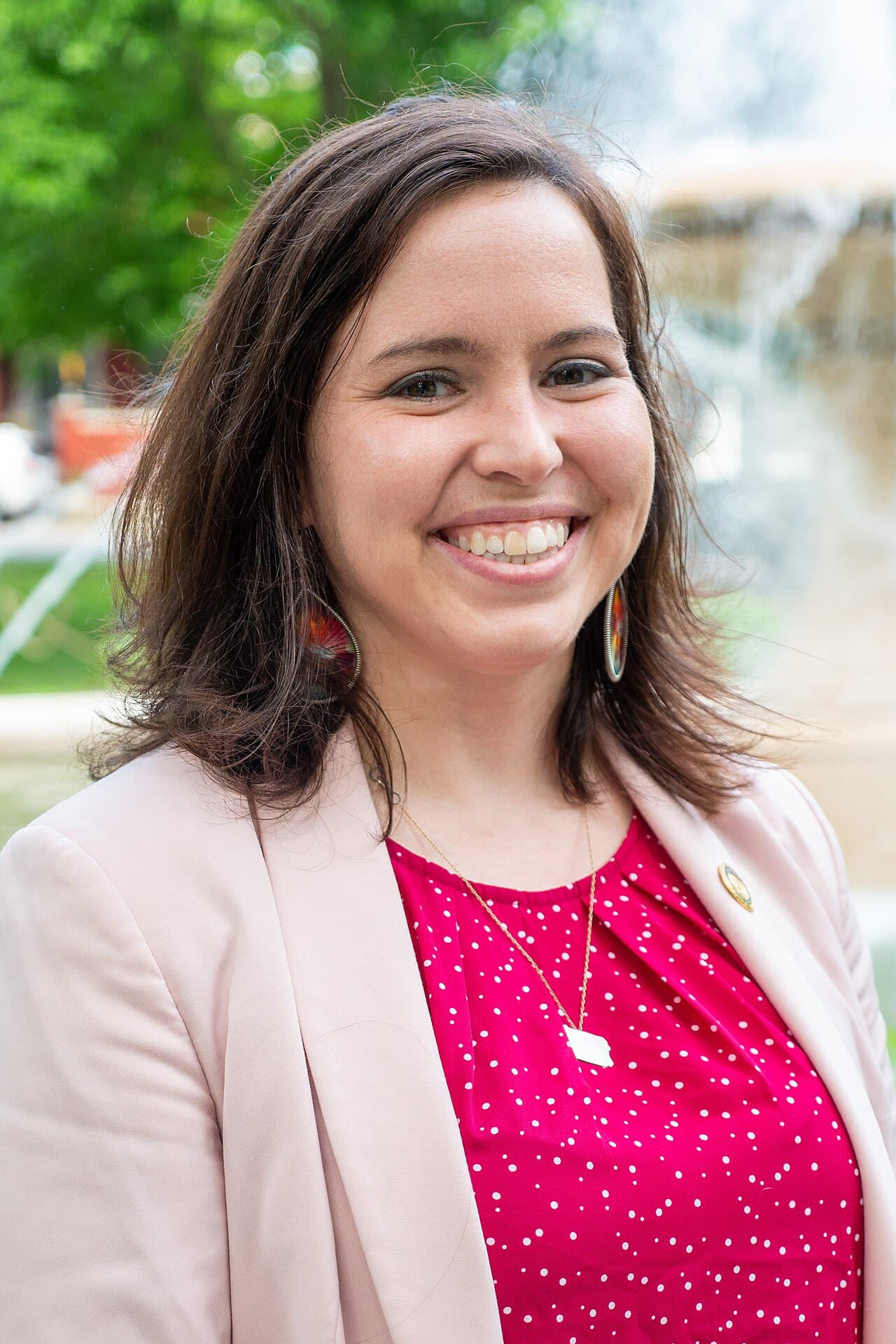
Republican nominee Vivek Ramaswamy, a billionaire businessman, and Democratic nominee Amy Acton, a physician and public health leader, emerged from last week’s primary elections with strikingly similar campaign promises despite vastly different backgrounds and approaches.
The last time Ohio saw nominees from both parties without prior elected experience was in 1928, when Myers Y. Cooper represented the Republican Party in the gubernatorial election.
Shared Vision, Different Paths
Both candidates have centered their campaigns around reducing costs for Ohio families, promising to tackle housing expenses, healthcare costs, and taxes. Ramaswamy’s campaign slogan of “lower costs, bigger paychecks, better schools” mirrors themes found throughout Acton’s platform.
“Make Ohio affordable again,” Acton pledges, borrowing from familiar political messaging, while promising an Ohio where “everyone gets a fair shot.” Ramaswamy, meanwhile, commits to “revive this quaint idea that we call the American Dream.”
In their victory speeches following the primary election, both nominees identified identical concerns among Ohio voters: housing costs, utility bills, and tax burdens that strain family budgets, along with worries that schools are failing to prepare students for future success.
Contrasting Solutions
While the candidates agree on the problems facing Ohio, they propose markedly different solutions. Ramaswamy frames his approach around his business success, emphasizing the prosperity he hopes to bring to Ohio voters.
During his victory speech, Ramaswamy outlined his vision for Ohio voters who “can wake up to lower utility bills because the state is producing more energy, as well as lower property taxes and income taxes because it is your money, not the government’s.”
He promised that Ohio students would perform better “because they’re not indoctrinated with victimhood psychology,” and housing costs would decline because his administration would be “cutting the red tape.”
Acton draws on a different well of experience, connecting her childhood struggles with homelessness to the challenges facing Ohio families who are “barely making rent.” Her background as a physician and public health leader shapes her approach to addressing the state’s challenges.
Historic Campaign Context
The absence of political records for both candidates leaves voters to evaluate their promises and proposed policies rather than past legislative or executive actions. This unique situation forces both campaigns to rely heavily on their biographical narratives and policy proposals to distinguish themselves.
Ramaswamy emphasizes his business acumen and wealth creation as qualifications for leading the state’s economic development. Acton positions her medical expertise and public service background as preparation for addressing Ohio’s health and social challenges.
The November election will determine which vision resonates more strongly with Ohio voters as they choose between two candidates who promise similar outcomes through fundamentally different approaches to governance.