NC House Committee Advances Bill to Shield Athlete Pay from Public View
State lawmakers advance controversial measure to hide university athlete pay deals from public view while approving $637 million in campus construction projects.

RALEIGH, NORTH CAROLINA — A North Carolina House committee approved legislation Wednesday that would hide compensation agreements for athletes at the state’s public universities from public records requests, marking what critics call a significant shift in government transparency.
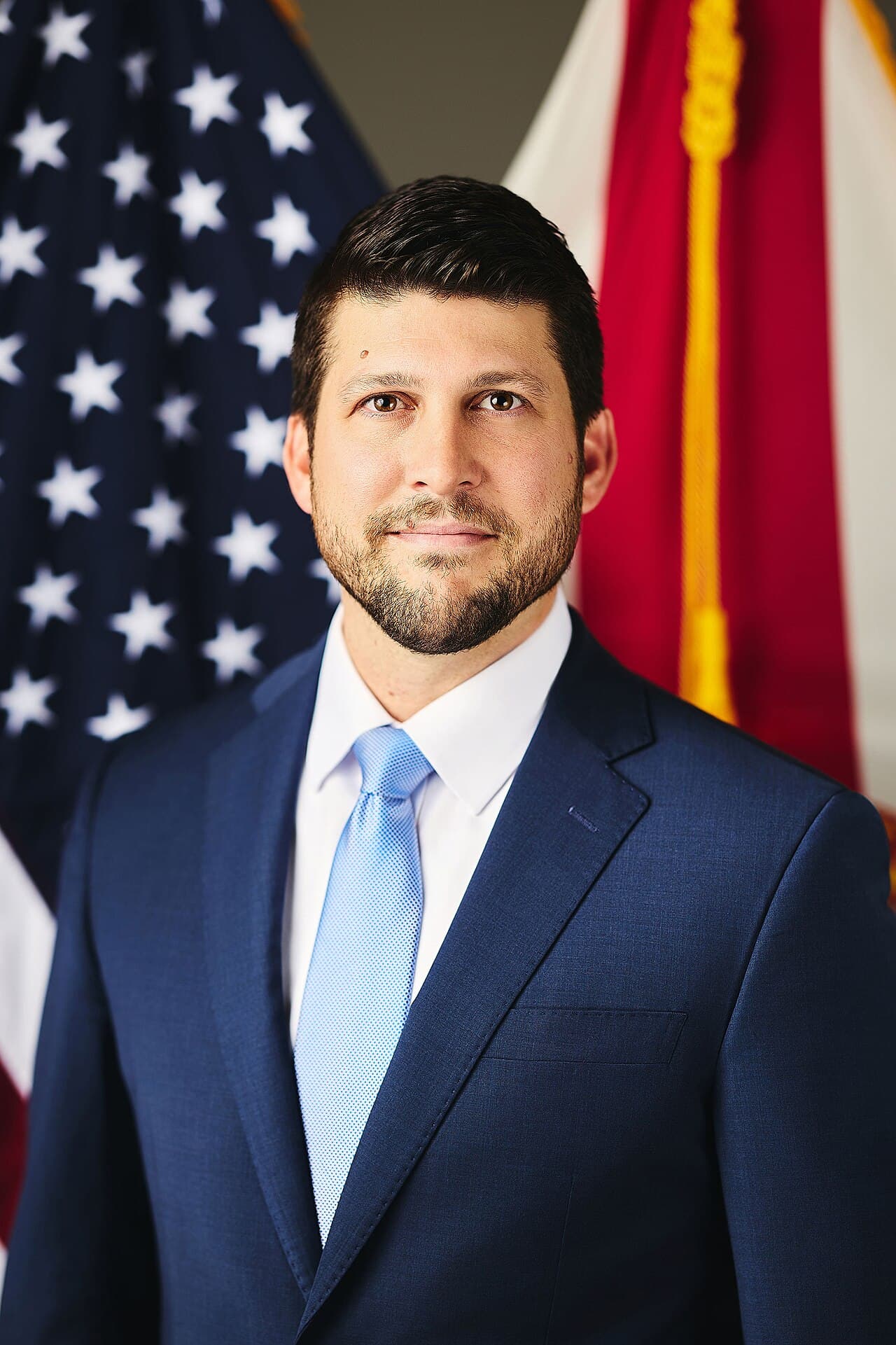
Rep. Wyatt Gable (R-Onslow) presented the revised version of Senate Bill 229 to the House Higher Education committee, arguing the measure protects state universities from losing top athletic talent to competitors with deeper pockets.
“It’s protecting our universities, because other schools are not able to see what they’re getting in and spending,” Gable said. “Whenever a Big Ten school comes in, there’s no way we can compete with them in terms of finance.”
Bill Creates New Public Records Exception
The legislation continues to establish Name, Image, and Likeness rules under state law but adds a specific exemption keeping those contracts confidential. Currently, coaching contracts at North Carolina universities remain open to public scrutiny under state transparency laws.
John Bussian of the North Carolina Press Association criticized the proposal as a major change in public access to government information. He noted that federal student privacy laws contain no similar exemptions for athletic compensation deals.
“We don’t have any exemptions for coaches’ contracts. They’ve been open in North Carolina forever,” Bussian said. “We oppose this, and we would hope that we could get others to think of it the same way.”
Construction Projects Also Approved
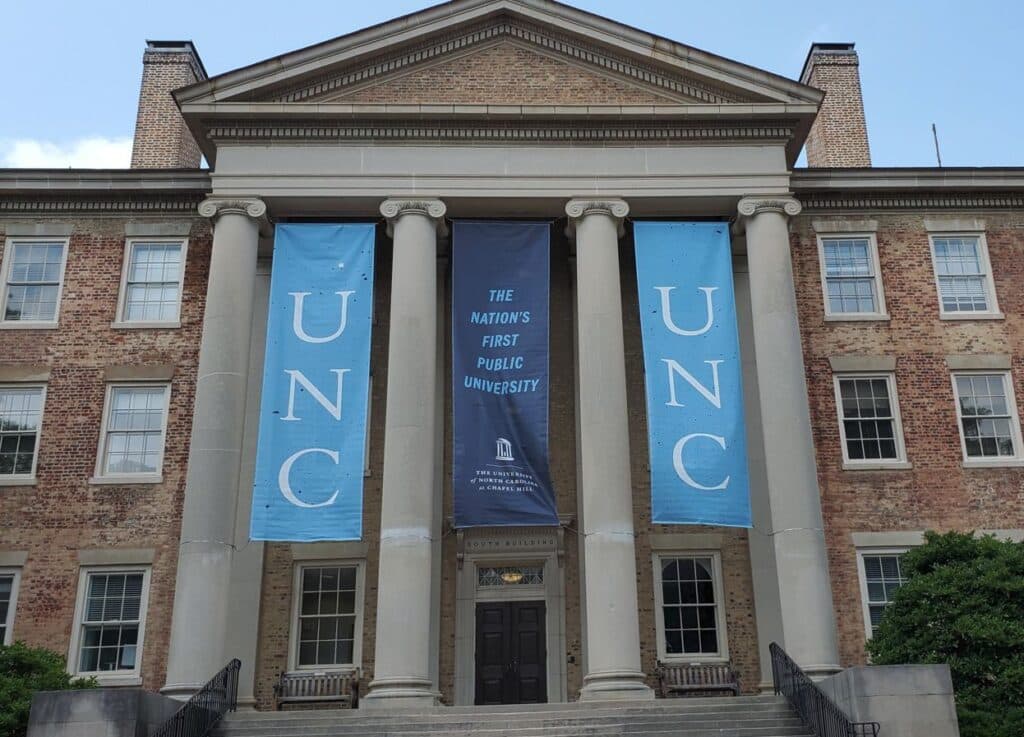
The committee approved a modified version of House Bill 1123, authorizing $637 million for new buildings and renovations across five University of North Carolina campuses. The construction projects will receive funding through campus fees and bonds rather than tax revenue or tuition increases.
Rep. Dean Arp (R-Union) explained that the bill raises the threshold for formal construction bids from $500,000 to $1.5 million. This change allows universities to obtain quotes for mid-sized projects through a streamlined process instead of conducting lengthy public bidding periods.
“We’ve all seen a tremendous amount of increase in cost due to inflation, and what we’re doing is raising the thresholds for certain bid and contracting methods,” Arp told committee members.
Competitive Concerns Drive Policy Change
Supporters of the NIL transparency exemption argue that public disclosure of athlete compensation puts North Carolina schools at a disadvantage when competing against universities in other states. They contend that rival programs could use publicly available contract information to craft more attractive offers for student-athletes.
The legislation represents the latest development in the evolving field of college athletics compensation, as universities nationwide navigate new rules allowing athletes to profit from their name, image, and likeness.
Both bills now advance to additional committee consideration as part of the legislative process. The measures require approval from the full House and Senate before reaching the governor’s desk.