Gas Prices Soar in Ohio as Strait of Hormuz Disruption Affects Global Markets
Ohio drivers are paying $4.52 per gallon as conflict in the Strait of Hormuz drives up global oil prices despite reduced U.S. dependence on Persian Gulf imports.

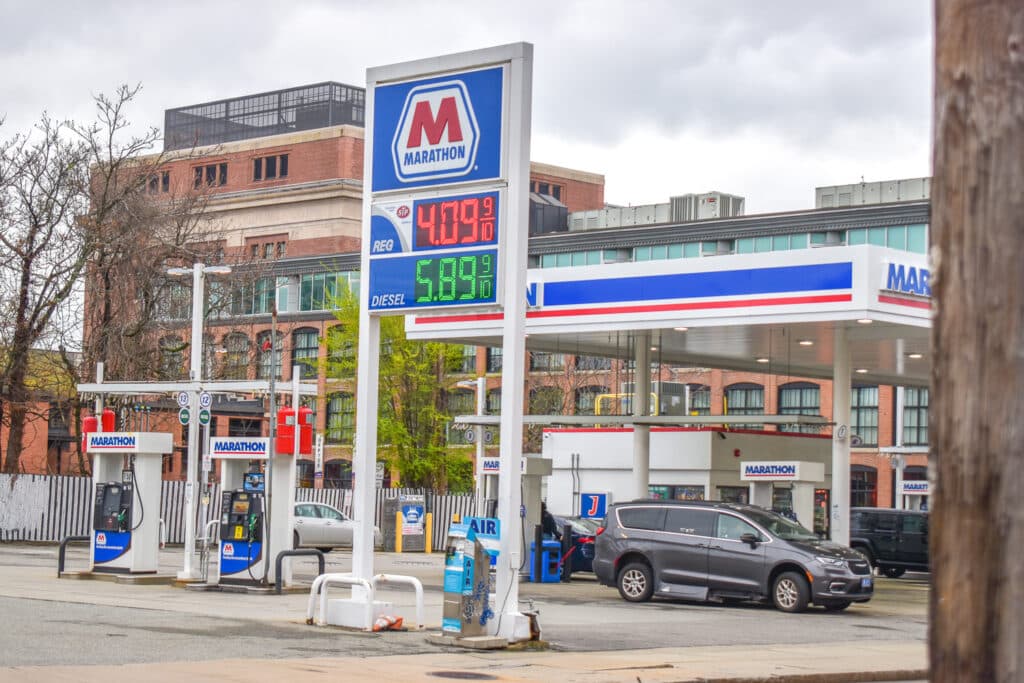
COLUMBUS, OHIO — Gasoline prices across Ohio have jumped significantly since late February, with drivers now paying an average of $4.52 per gallon for regular unleaded fuel as ongoing conflict in the Strait of Hormuz continues to disrupt global oil markets.
The narrow waterway between Oman and Iran, located roughly 7,000 miles from the United States, became a battleground when the Iran war began on February 28. Since then, American consumers have watched pump prices climb from $4.14 a month ago and $3.14 a year ago, according to AAA data released Monday.
The strait serves as the major export route for oil produced by Saudi Arabia, the United Arab Emirates, Kuwait, Qatar, Iraq, Bahrain and Iran, according to the International Energy Agency. Despite most of this oil heading to Asian markets rather than American refineries, the global nature of petroleum markets means disruptions anywhere affect prices everywhere.
Global Market Forces Drive Local Price Increases
“Supply disruptions anywhere in the world can also affect prices everywhere in the world because we live in a global market,” explained Jeff Lenard, a vice president of the trade group National Association of Convenience Stores. “Oil and refined products like gasoline are traded on the commodities markets. Places with short supply are willing to pay more for product. That drives up the global price.”
Patrick De Haan, head of petroleum analysis at GasBuddy, which tracks gas prices, said the pricing mechanism reflects total global availability. “It’s because the price of oil is based on how much is available in total. Since oil from there is in short supply, the rest of the oil all around the world becomes more expensive,” De Haan said.
The U.S. Energy Information Administration noted in a March analysis that America is importing less crude oil from the Persian Gulf than it has in 40 years due to increased domestic production. However, this reduced dependence has not shielded consumers from price volatility caused by the strait’s closure.
Broader Economic Impact Expected
Rising fuel costs are beginning to ripple through the broader economy, with consumer prices overall increasing 0.9% in March. Transportation costs affect virtually every sector of the economy, from shipping goods to commuting expenses for workers.
The strait’s strategic role in global energy markets is significant. Energy analysts warn that continued restrictions on ship traffic through the waterway could push gasoline prices even higher in the coming weeks, particularly as the summer driving season approaches.
Ohio drivers, like consumers nationwide, are feeling the impact of geopolitical events thousands of miles away as they fill up at local gas stations. The situation demonstrates how interconnected global energy markets have become, where conflicts in distant regions translate directly to higher costs at neighborhood pumps.