Crime Perceptions Don’t Match Reality for Most Americans, New Study Finds
Despite decades of declining crime rates, 69% of Americans still believe crime is rising each year, revealing a stark disconnect between perception and reality.

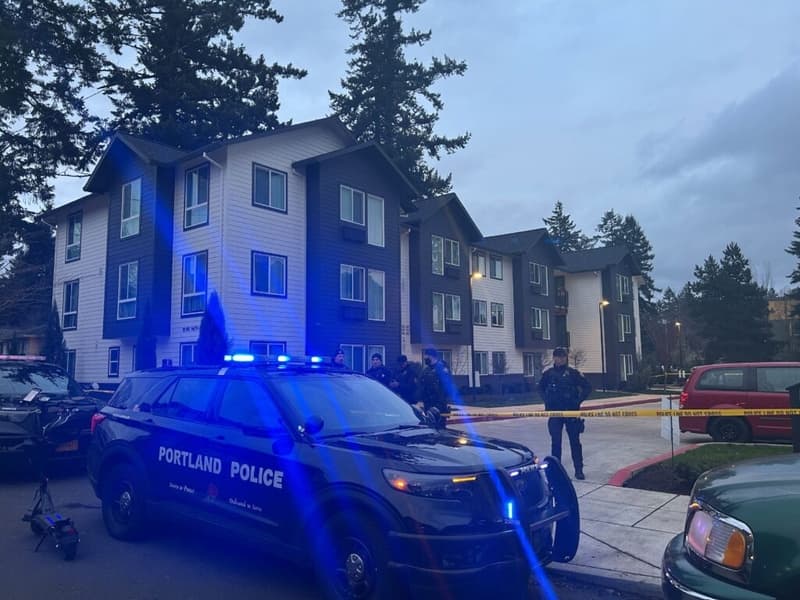
COLUMBUS, OHIO — Americans often believe crime is rising even when it declines, according to a new report highlighting a disconnect between public perceptions and criminal justice data over decades.
The Council on Criminal Justice, a nonprofit think tank, released analysis showing that from 2005 to 2024, about 69% of survey respondents on average said crime was higher than the previous year, despite overall crime rates falling in most of those years.
The research draws on decades of Gallup survey data to examine how Americans perceive crime and what factors drive those beliefs beyond actual crime statistics.
Fear Levels Remain Unchanged Despite Crime Trends
Fear of crime has shown remarkable stability over time, with 35% of Americans in 2024 saying they were afraid to walk alone at night — identical to the percentage recorded in 1968. This consistency persists regardless of fluctuations in actual crime rates during the intervening decades.
The report found that public concern tends to track major shifts in homicide rates more closely than broader crime trends. However, for most years, people’s views about crime and their fear of it have not matched actual shifts in crime rates, according to the analysis.
Personal Experience Shapes Crime Views
Rather than reflecting crime statistics, Americans’ perceptions appear influenced by personal experiences and economic conditions. The researchers identified household victimization — whether someone in the home has been a victim of a crime — as one of the strongest predictors of both fear and concern about crime.
The study suggests that individual encounters with crime, combined with broader economic circumstances, play a more significant role in shaping public opinion about safety than government crime data or statistical trends.
Decades-Long Pattern of Misperception
Since the 1960s, public perceptions of crime have frequently diverged from actual crime trends, the report notes. Even during extended periods when crime declined, most Americans continued to believe criminal activity was increasing in their communities and nationwide.
The persistent gap between perception and reality raises questions about how crime policy discussions unfold in political and community settings, where public concern often drives decision-making more than statistical evidence.
The Council on Criminal Justice analysis highlights the complex relationship between data-driven assessments of public safety and the lived experiences that shape how Americans understand crime in their daily lives.