Supreme Court to Hear Colorado Catholic School Anti-Discrimination Case
The Supreme Court will decide whether Catholic preschools can exclude LGBTQ+ families while receiving public funding from Colorado’s universal program.

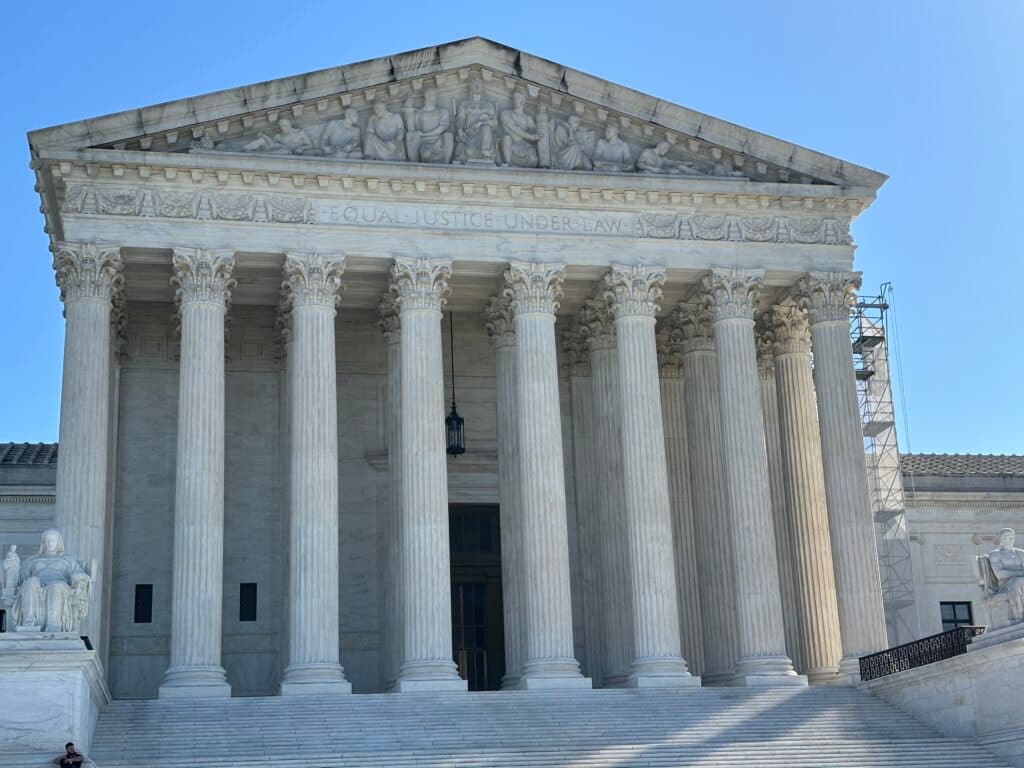
DENVER, COLORADO — The U.S. Supreme Court announced it will hear a case involving the Archdiocese of Denver and two Catholic preschools challenging Colorado’s anti-discrimination requirements for its universal preschool program.
The case centers on St. Mary Catholic Parish in Littleton and St. Bernadette Catholic Parish in Lakewood, which operate preschool programs that were excluded from Colorado’s universal preschool program, known as UPK Colorado. The religious institutions claim they were denied participation because the state requires providers to accept applicants without regard to family religion, sexual orientation, or gender identity.
Religious Freedom Claims
The Archdiocese of Denver and the two Catholic preschools filed a lawsuit alleging their First Amendment rights under the free exercise clause were violated when they were excluded from the publicly funded program. The schools had applied for public funding through UPK Colorado but were denied when they requested religious exemptions from the statutory equal-opportunity requirement.
The Catholic institutions sought to maintain their ability to exclude LGBTQ+ children and parents from their preschool programs while still receiving state funding. Colorado’s UPK program prohibits providers from discriminating against families based on sexual orientation or gender identity.
Lower Court Rulings
A U.S. District Court of Colorado judge ruled in June 2024 that the UPK requirement prohibiting discrimination against LGBTQ+ families is valid. The Denver-based 10th Circuit Court of Appeals upheld the district court’s decision in October 2024, affirming the state’s anti-discrimination provisions.
Both lower courts sided with Colorado’s position that religious institutions cannot claim exemptions from non-discrimination requirements while participating in publicly funded programs.
Broader Legal Implications
The Supreme Court will examine aspects of its 1990 ruling in Employment Division v. Smith, which addressed the question of religious exemptions to state laws. In that case, the court held that a person’s religious beliefs do not provide an exemption from compliance with laws against conduct the state is free to regulate.
This Colorado case represents another chapter in the ongoing national debate over balancing state anti-discrimination protections for LGBTQ+ individuals with claims of religious freedom. The Supreme Court’s decision could have significant implications for how religious institutions interact with publicly funded programs across the country.
The case adds to a series of high-profile disputes involving Colorado’s anti-discrimination laws and religious exemption claims that have reached the nation’s highest court in recent years.