Supreme Court Shows Skepticism Toward Trump Birthright Citizenship Arguments
Supreme Court justices across ideological lines questioned the Trump Administration’s legal theory challenging birthright citizenship during oral arguments.

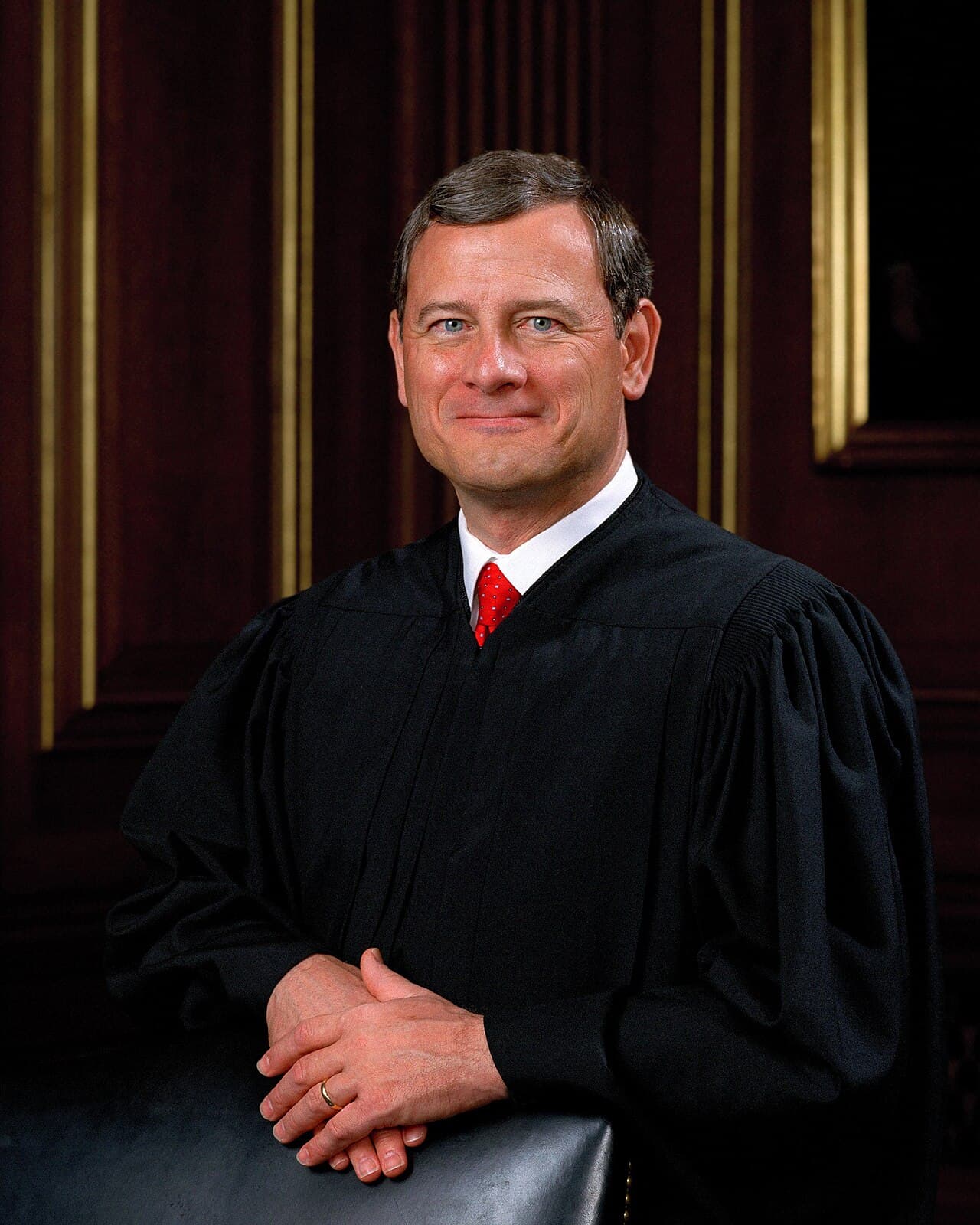
WASHINGTON, D.C. — A majority of U.S. Supreme Court justices expressed doubt about the Trump Administration’s legal arguments challenging birthright citizenship during oral arguments, signaling potential trouble for the president’s executive order restricting the constitutional guarantee.
The high court delayed its decision on the substantive birthright citizenship question by first addressing the procedural issue of universal injunctions. The conservative majority appeared to favor barring such injunctions, a move that legal observers described as offering the administration a partial victory while forcing opponents to modify their legal strategies.
Justices Challenge Administration’s Historical Arguments
Solicitor General John Sauer represented the Trump Administration during the arguments, focusing on technical concepts of “domicile” and “allegiance” of parents rather than addressing racial implications of the executive order. Sauer’s position drew sharp criticism from justices across the ideological spectrum.
Chief Justice John Roberts characterized Sauer’s historical examples as “quirky,” while Justice Elena Kagan described his legal theory as “revisionist.” The solicitor general’s arguments appeared to conflict with the Supreme Court’s 1898 decision in United States v. Wong Kim Ark, which established broad birthright citizenship protections.
Justice Neil Gorsuch criticized Sauer for his questionable reliance on the Wong Kim Ark precedent. Justices Amy Coney Barrett and Ketanji Brown Jackson raised concerns about the practical complications that would arise from determining parental “domicile” at the time of birth, with Jackson wondering whether depositions of birth mothers would be required.
Constitutional Framework Under Scrutiny
When Sauer argued that modern immigration circumstances created a “new world” requiring different interpretations, Chief Justice Roberts reminded him that “it was the same Constitution.” The exchange highlighted the tension between the administration’s policy goals and established constitutional interpretation.
Congress had previously ratified the broader interpretation of birthright citizenship when it adopted the birthright citizenship clause in federal immigration statute, further complicating the administration’s position.
Conservative Justices Probe Challengers
The arguments were not entirely one-sided, as some conservative justices directed challenging questions toward the American Civil Liberties Union attorney representing the executive order’s challengers. Justice Samuel Alito explored the possibility of expanding exceptions to birthright citizenship due to changed circumstances regarding illegal immigration.
However, Chief Justice Roberts quickly dismissed that line of reasoning with what observers described as a terse comment about the Constitution’s enduring nature.
The ruling on universal injunctions has already forced Trump’s legal opponents to alter their tactics when seeking preliminary injunctions on various other policy issues. Legal experts suggest the procedural victory may provide the administration with strategic advantages in ongoing litigation battles.
The Supreme Court has not announced when it will issue its final decision on the birthright citizenship challenge, leaving the controversial executive order’s fate uncertain as legal challenges continue in lower courts.