States Expand Millionaire Taxes as Budget Pressures Mount Nationwide
Maine and Washington join growing list of states implementing new taxes on millionaires as budget pressures mount and wealth inequality widens nationwide.

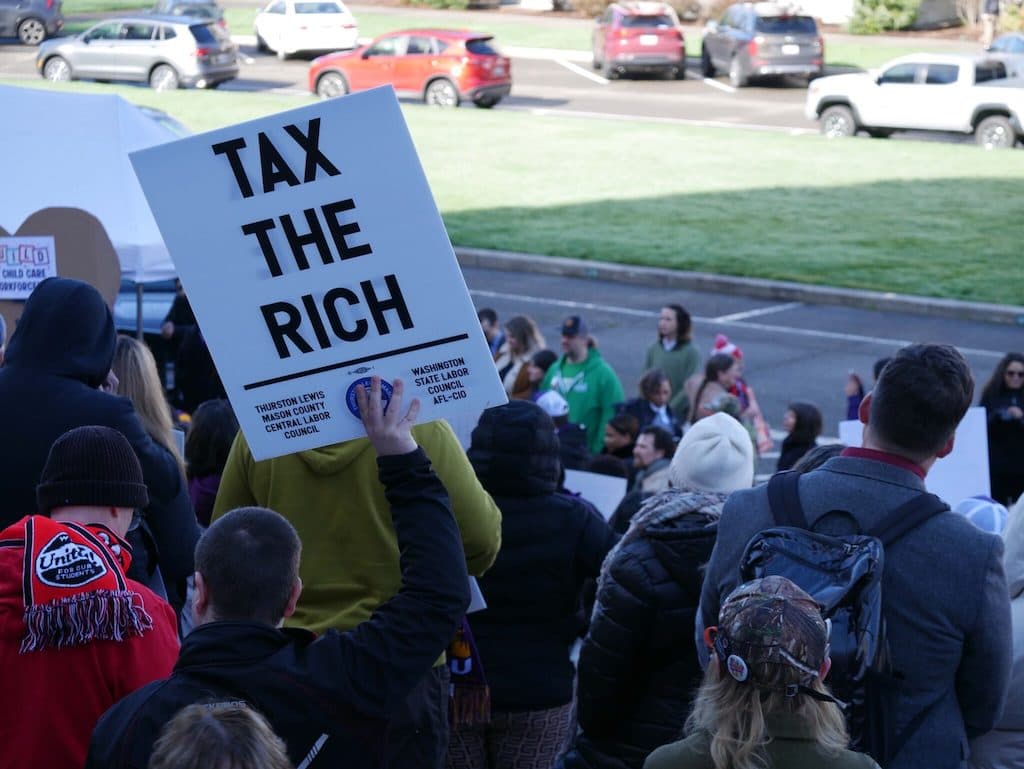
COLUMBUS, OHIO — Maine and Washington have joined a number of states implementing new taxes on millionaires as Democratic-led legislatures seek additional revenue amid widening wealth inequality and budget pressures.
Maine’s Democratic Governor Janet Mills signed legislation this month establishing a 2% tax on households with annual incomes exceeding $1 million. Washington enacted similar measures last month, following the lead of states like New Jersey and Massachusetts that have already implemented targeted taxes on wealthy residents.
Growing Movement Across Multiple States
At least a dozen states are now considering new taxes for their wealthiest taxpayers, including Illinois, Minnesota, Rhode Island and Virginia. In California, advocates announced this week they gathered sufficient signatures for a ballot initiative proposing a one-time tax on billionaires.
“Those who benefit the most from our economy do so because of the people, infrastructure and communities that support that success,” said state Representative Cheryl Golek, a Maine Democrat who supported the legislation. “Asking for a small additional contribution from the wealthiest in our state is a reasonable and widely supported step toward a fairer system.”
Tax Structure Varies by State
The new taxes take different forms across states, with some targeting annual incomes above specific thresholds while others focus on capital assets including high-value stocks and real estate. Maine’s approach adds the 2% surcharge to households earning more than $1 million annually.
Golek characterized Maine’s tax as addressing inequities in the current system, noting that working- and middle-class households in the state — including teachers, firefighters and nurses — currently pay effective state income tax rates similar to or higher than the highest earners.
Political Challenges Ahead
Earlier this month, New York Mayor Zohran Mamdani and Governor Kathy Hochul, both Democrats, proposed a new pied-à-terre tax targeting luxury properties. However, these proposals often face extended political battles before implementation.
The push for millionaire taxes comes as states grapple with budget constraints while national wealth inequality continues to widen. Supporters argue the additional revenue from wealthy residents can help fund essential services and infrastructure improvements.
Labor unions and advocacy groups have rallied in support of these measures, with demonstrations occurring at state capitols including Washington’s capitol in Olympia in February. The movement reflects broader debates about tax fairness and revenue generation at the state level.
While the proposals generate significant political debate, supporters emphasize the modest nature of the additional taxes relative to overall income levels of affected households. The Maine legislation represents the latest step in a broader national trend of states seeking new revenue sources from their wealthiest residents.