Ohio Prosecutor Opposes Child Care Fraud Legislation in Columbus
A top Ohio prosecutor is fighting back against fraud-prevention legislation, warning it could devastate working families—but critics question whose interests…

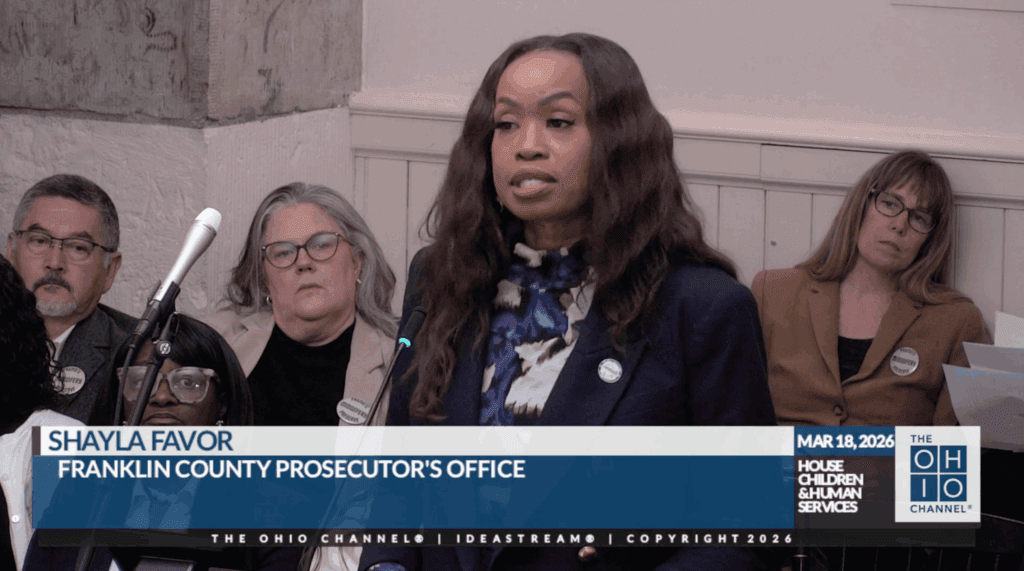
COLUMBUS — A prominent Ohio prosecutor is challenging proposed state legislation aimed at combating child care fraud, raising concerns about the bill’s potential impact on legitimate child care providers and families across the state.
The prosecutor, whose office has handled numerous fraud cases involving child care subsidies, argues that the proposed legislation could create unintended consequences for working families who rely on state-funded child care assistance programs.
The legislation, currently under consideration by the Ohio General Assembly, would implement stricter oversight measures and enhanced penalties for child care providers who fraudulently claim state subsidies. Supporters say the bill is necessary to protect taxpayer dollars and ensure child care funds reach legitimate providers.
Concerns About Implementation
The prosecutor expressed concerns that the proposed measures could burden honest child care providers with excessive paperwork and regulatory requirements. These additional administrative duties could force smaller providers out of business, potentially reducing child care options in underserved communities.
“While we must address fraud in the child care system, we need to be careful not to punish the providers who are doing everything right,” the prosecutor said in a statement to the Ohio Capital Journal.
The opposition comes as Ohio faces an ongoing child care crisis, with many families struggling to find affordable, quality care for their children. Industry advocates have warned that additional regulatory burdens could worsen existing shortages of child care providers.
Legislative Background
The proposed legislation emerged following several high-profile cases of child care subsidy fraud in Ohio. State auditors have identified millions of dollars in improper payments to child care providers over the past several years.
Lawmakers backing the bill argue that stronger oversight is essential to maintain public trust in the child care subsidy program. The legislation would require enhanced documentation from providers and create new reporting mechanisms to identify potential fraud.
The bill also includes provisions for increased penalties for providers found guilty of fraudulent activities, including permanent disbarment from participating in state child care programs.
Stakeholder Response
Child care advocacy groups have expressed mixed reactions to both the legislation and the prosecutor’s opposition. Some organizations support stronger fraud prevention measures, while others worry about the impact on provider participation.
The Ohio Association for the Education of Young Children has called for a balanced approach that addresses fraud without creating barriers for legitimate providers. The organization emphasizes the need for adequate child care capacity to support working families.
State representatives are expected to continue discussions on the legislation in upcoming committee hearings. The bill’s sponsors have indicated they are open to amendments that address concerns raised by prosecutors and child care advocates.
The debate highlights the challenge of balancing fraud prevention with maintaining access to essential child care services for Ohio families.