Ohio Joins 11 GOP States Defending Trump’s Mail Ballot Executive Order
Ohio joins 11 other GOP states defending Trump’s March 31 mail ballot order against Democratic legal challenges, calling it ‘optional’ election security help.

COLUMBUS, OHIO — Ohio has joined eleven other Republican-led states in defending President Donald Trump’s executive order targeting mail-in ballot procedures against legal challenges from Democratic officials and lawmakers.
Missouri Attorney General Catherine Hanaway led the coalition of Republican attorneys general in court filings submitted Monday and Tuesday, arguing that Trump’s March 31 order provides states with “optional resources” to enhance election security without infringing on voting rights.
“The states would like to access this resource so they may verify the accuracy of their own voter-registration lists. This flow of information between federal and state agencies is a common and critical feature of our federal system,” the Republican officials wrote in their court document.
Multi-State Republican Coalition Forms
The attorneys general of Alabama, Florida, Indiana, Kansas, Louisiana, Montana, Nebraska, Oklahoma, South Carolina, South Dakota and Texas joined Hanaway and Ohio in the coordinated legal defense. The filings came in response to Democratic lawsuits challenging the executive order’s constitutionality.
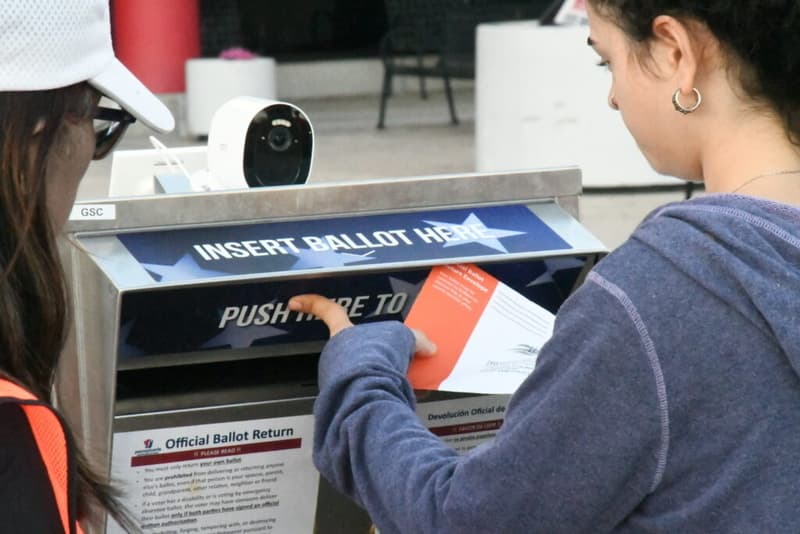
The executive order directs the postmaster general to establish rules that would prevent the U.S. Postal Service from delivering ballots to or from voters not appearing on state-provided lists of approved mail voters. Democrats and postal law experts have argued the Postal Service lacks authority over election administration.
Congressional Democrats Push Back
More than 100 U.S. House Democrats sent a letter to Trump on Monday demanding he revoke the order. “The Constitution and multiple court rulings put it in stark terms: the President does not have the authority to issue an executive order that attempts to undermine the ability of states to run their own elections,” the Democratic representatives wrote.
The executive order also instructs the Department of Homeland Security to compile comprehensive lists of voting-age U.S. citizens in each state. Democratic officials have raised concerns about the potential creation of citizenship verification requirements that could impact voter access.
Federal-State Information Sharing Defended
Republican attorneys general characterized the order as facilitating routine information sharing between federal and state agencies rather than imposing new federal mandates on election procedures. They maintained that states would voluntarily participate in the program to enhance their voter registration verification processes.
The legal battle represents a test of federal versus state authority over election administration, with Democrats arguing the order exceeds presidential powers while Republicans defend it as providing helpful resources for election integrity efforts.
The court challenges are expected to proceed through federal district courts, with potential appeals likely regardless of initial rulings. The outcome could establish precedents for the balance of federal and state power in election oversight.