Ohio Among States With Barriers to Gun Violence Victim Compensation, Report Shows
New report reveals nearly 30% of victim compensation applications denied nationwide, with Ohio among states where gun violence survivors struggle to access financial aid.

COLUMBUS, OHIO — Gun violence survivors across Ohio and other states face significant barriers when seeking compensation for medical bills, lost wages, and other costs related to their injuries, according to a new report released by Everytown for Gun Safety.
The nonprofit gun research and advocacy organization found that access to victim compensation varies dramatically by state, with nearly 30% of applications denied nationwide in 2024, according to federal data from the Department of Justice’s Office of Victims of Crime.
Incomplete paperwork represents the most common reason for denial, but strict eligibility rules, short filing deadlines, and requirements that crimes be reported to law enforcement also prevent many survivors from receiving aid, the report found.
Tens of Thousands Face Financial Strain
Each year, tens of thousands of people survive shootings in the United States, often facing lasting injuries, trauma, and financial strain. State-run crime victim compensation programs, primarily funded through the federal Victims of Crime Act, or VOCA, are designed to help cover costs such as medical care, lost wages, and funeral expenses.
However, the Everytown for Gun Safety report highlighted significant disparities in how those programs operate across different states. Average payouts, denial rates, and eligibility rules differ substantially, directly shaping whether survivors can successfully access support when they need it most.
State Rules Create Additional Hurdles
In some states, claims can be denied based on a victim’s prior criminal history or other factors that advocates argue unfairly exclude survivors who need assistance. The varying state approaches create a patchwork system where a gun violence survivor’s ability to receive compensation depends heavily on which state they live in.
While federal efforts to strengthen victim compensation are currently underway, states maintain a significant role in determining whether survivors of gun violence can actually access that support, according to the report.
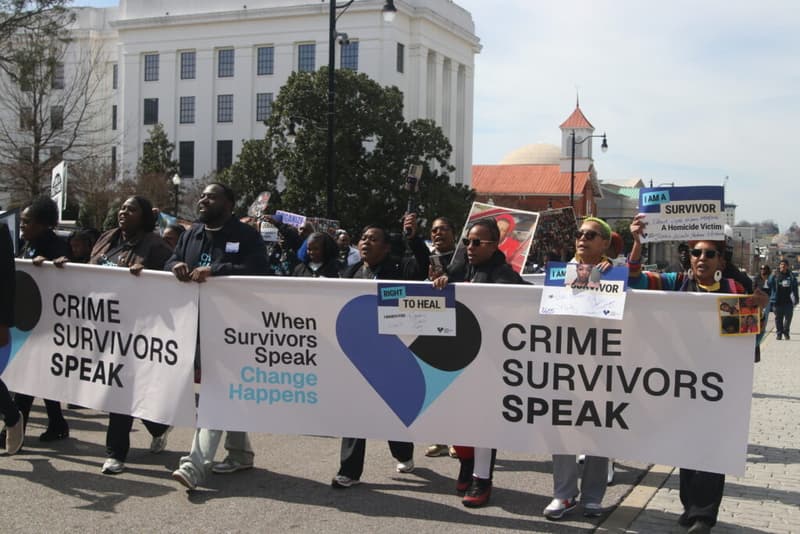
The research comes as survivors and loved ones of violent crime have been advocating for more robust support and services for people who have endured incidents of violent crime. Several states, including Alabama, have considered legislation this year that would support victims of crimes in various ways.
Federal Funding Through VOCA
The state compensation programs rely primarily on federal funding through the Victims of Crime Act, which provides resources to help victims and survivors recover from the financial impact of violent crimes. Despite this federal funding source, individual states set their own eligibility requirements and administrative procedures.
The report’s findings highlight ongoing challenges in ensuring that gun violence survivors can access the financial support intended to help them rebuild their lives after traumatic incidents. With incomplete paperwork serving as the leading cause of application denials, the research suggests that administrative barriers may be preventing eligible survivors from receiving assistance.