North Carolina Secures $11 Million Settlement From EpiPen Manufacturer Over Price Gouging
Attorney General Jeff Jackson announced the $11 million deal after accusing Mylan of driving EpiPen prices from $100 to $600 through anticompetitive practices.

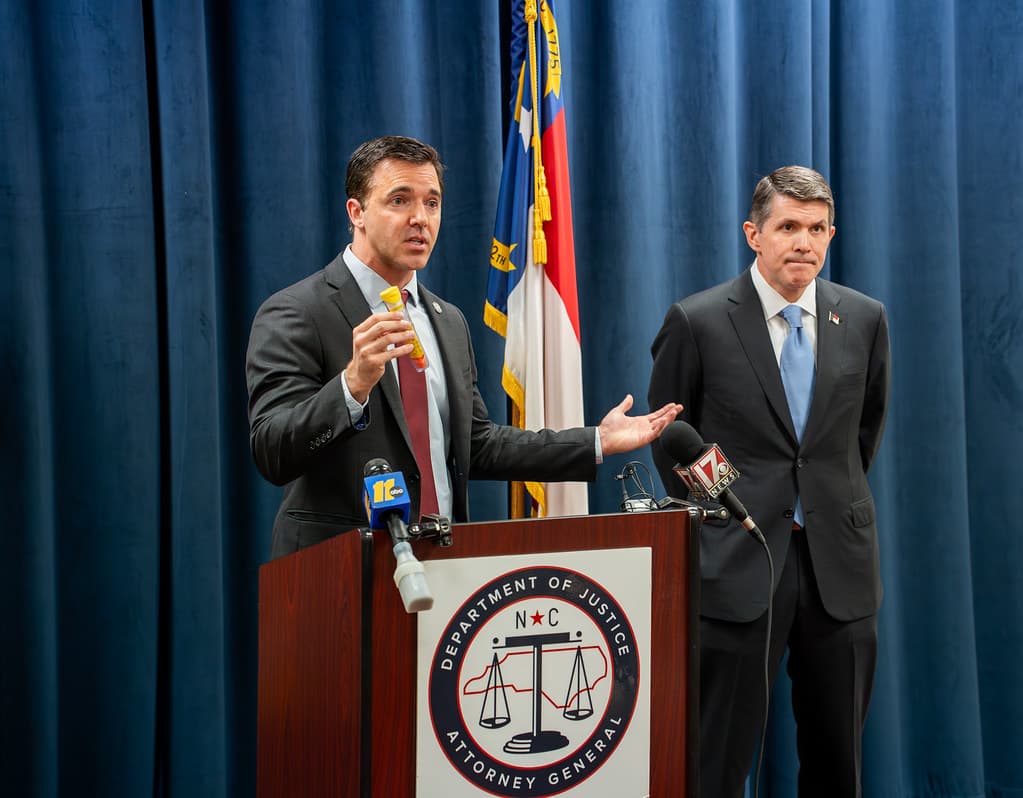
RALEIGH, NORTH CAROLINA — North Carolina has reached an $11 million settlement with EpiPen manufacturer Mylan Inc. after the company was accused of overcharging the state and its residents for the allergy treatment.
Attorney General Jeff Jackson announced the settlement during a press conference Thursday afternoon, detailing how Mylan increased EpiPen prices from $100 to $600 between 2009 and 2016 through anticompetitive practices.
Settlement Details and Fund Distribution
Under the agreement, the State Health Plan and North Carolina’s Medicaid program will each receive $4.2 million to offset the additional costs from the inflated EpiPen prices. The remaining $2.6 million will cover restitution to the state and attorney’s fees.
Mylan also agreed to increase its co-pay coupon for the authorized generic version of the EpiPen from $25 to $40 specifically for North Carolina consumers as part of the settlement terms.
Evidence of Market Manipulation
Jackson outlined multiple tactics Mylan used to maintain its market dominance and keep prices high. The company put financial pressure on middlemen who determine which drugs insurance companies cover, according to the attorney general.
“We have evidence that they were engaged in a number of anticompetitive practices that allowed them to raise the price of this,” Jackson said. “They put financial pressure on the middlemen who decide what drugs insurance companies cover and what drugs they don’t cover.”
The attorney general also accused Mylan of exploiting the patent system to prevent cheaper generic alternatives from reaching the market and making misleading claims in marketing campaigns about generic versions that had already become available.
Bipartisan Support for Consumer Protection
State Treasurer Brad Briner joined Jackson at the announcement, representing a rare display of bipartisan cooperation in North Carolina’s executive branch. Briner, whose office oversees the State Health Plan, praised Jackson’s efforts to secure justice for taxpayers.
The treasurer noted the personal significance of the settlement, stating his family’s direct connection to the issue. “As someone who carries an EpiPen and someone who has a child who carries an EpiPen, this particularly hits close to home for me,” Briner said.
Despite their political differences, both officials found common ground on protecting consumers from pharmaceutical price manipulation. “We obviously sit on different sides of the aisle, we obviously don’t agree on everything, but we certainly agree on this,” Briner said.
Briner described the settlement as providing “a pleasure to share actually positive news about the State Health Plan,” which has faced ongoing challenges with rising healthcare costs affecting state employees and teachers.