North Carolina Eviction Filings Drop in 2025 Despite Some Regional Increases
Princeton study shows eviction filings dropped to 1.23 million in 2025, though Austin saw 30% increase while some cities experienced significant decreases.

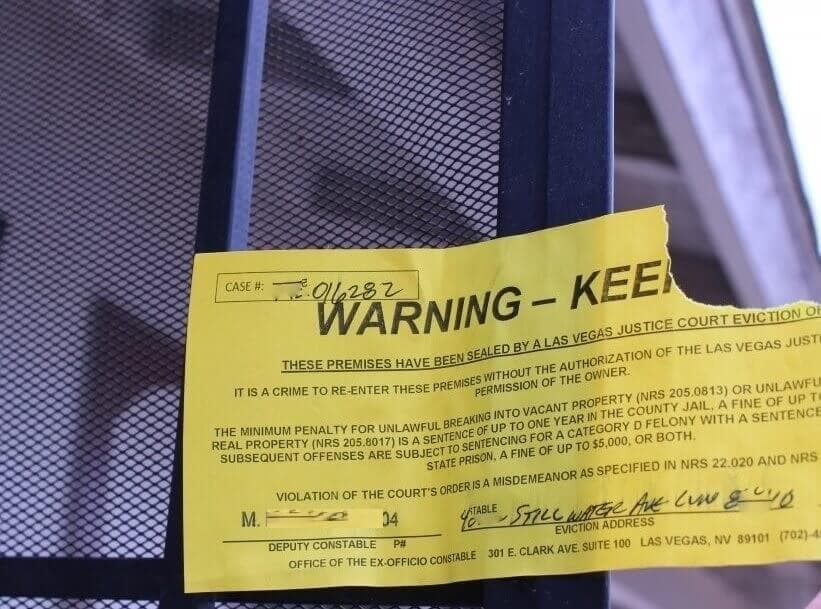
RALEIGH, NORTH CAROLINA — Eviction filings decreased across most tracked areas in 2025 for the second consecutive year, though some regions experienced significant increases, according to a new report from Princeton University’s Eviction Lab.
Landlords filed more than 1.23 million eviction cases in the 10 states and 38 cities monitored by the research center, down slightly from 1.25 million cases in 2024. The tracked areas represent home to roughly one-third of the country’s renters.
The average eviction filing rate reached 7.9% across all monitored locations, meaning landlords filed approximately one eviction case for every 13 renter households during 2025.
Regional Disparities in Filing Rates
Several metropolitan areas recorded filing rates significantly above the national average. Atlanta led with a 25% eviction filing rate, followed by Richmond, Virginia at 24%, Charleston, South Carolina at 17%, and Indianapolis at 14%.
Despite Atlanta’s high rate, landlords there filed 144,000 eviction cases, representing a 4% decrease from previous years. The city’s filing rate remained more than double the national average.
Eviction filings increased in 13 of the 48 monitored sites compared to typical annual cases filed in 2023 and 2024. The greater Austin, Texas area experienced the highest increase at 30%.
Geographic Variations in Trends
Miami recorded substantially fewer eviction cases, while Bridgeport, Connecticut saw the largest decrease, with landlords filing 20% fewer cases than the average.
New York City maintained a comparatively low eviction filing rate at 5%. Researchers attributed this to strong tenant protections, including universal access to lawyers for eviction cases in court, despite high rents and a competitive real estate market.
Demographic Disparities in Eviction Cases
The report revealed significant racial disparities in eviction proceedings. Black renters faced disproportionate representation in eviction filings, accounting for 39% of cases despite comprising only 28% of the renter population.
White defendants represented 37% of eviction filings, below their 45% share of the renter population. The data suggests Black renters face eviction proceedings at rates significantly higher than their representation in the rental market.
Consistent with previous years, the report found that eviction cases remain concentrated among a small number of landlords, indicating that certain property owners file disproportionate numbers of eviction cases.