Missouri House Passes Bill Restricting Restroom Use by Biological Sex
Missouri lawmakers approve controversial legislation requiring state-funded facilities to restrict bathroom and dormitory access based on biological sex, despite Democratic opposition.


JEFFERSON CITY, MISSOURI — The Missouri House approved legislation Monday that would require state-funded entities to restrict restroom, changing room, and sleeping accommodation access based on biological sex, while establishing legal definitions for “female,” “male,” and “sex” throughout state law.
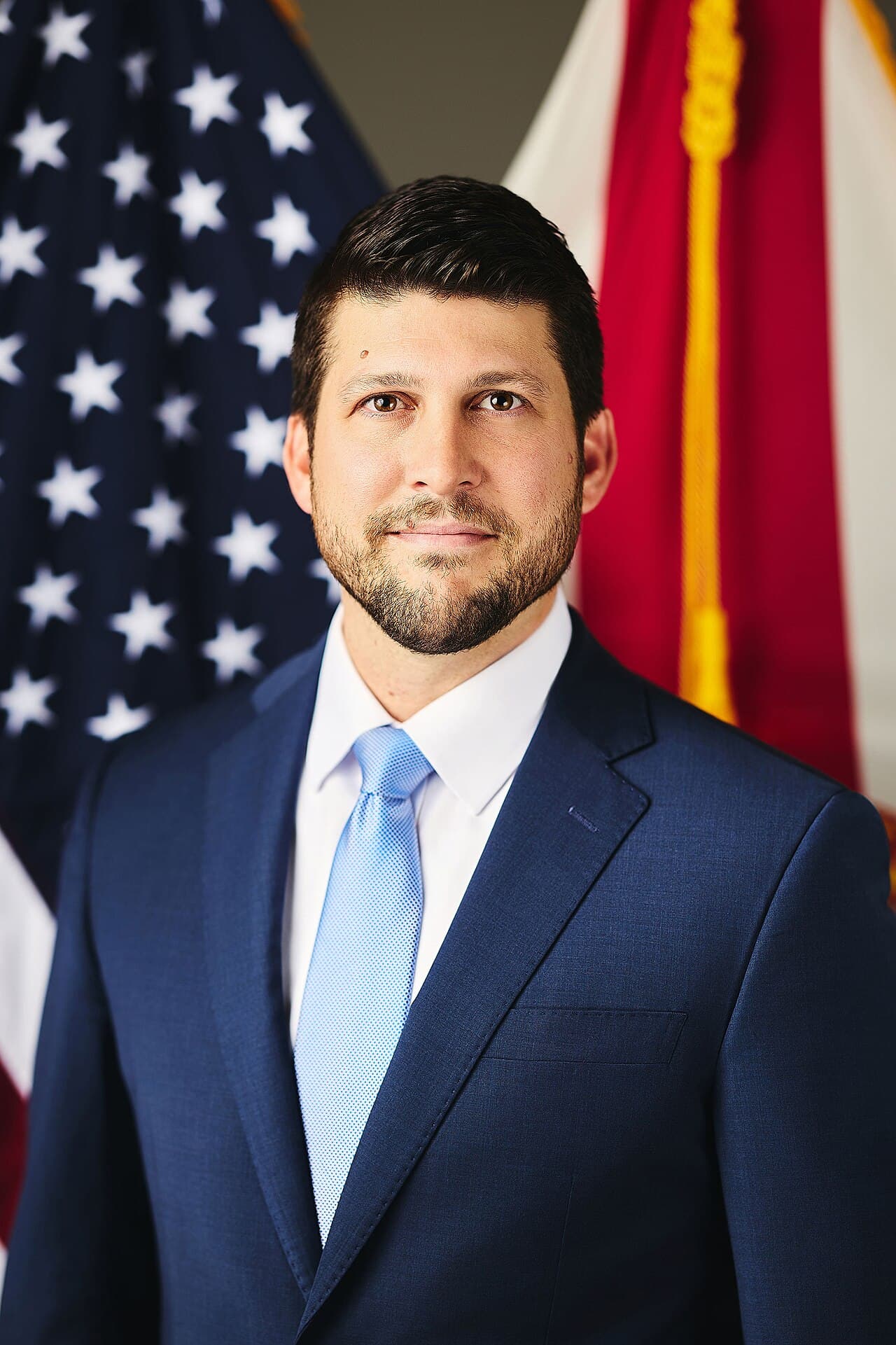
The bill, sponsored by State Rep. Becky Laubinger, a Republican from Park Hills, passed after contentious debate over its potential impact on transgender individuals and enforcement concerns.
Supporter Cites Safety Concerns
Laubinger defended the legislation as necessary protection for women, arguing that all-gender facilities create safety risks. She specifically cited facilities like those at Kansas City International Airport as examples of problematic policies.
“This is about our government facilities forcing people to share those spaces by creating all gender spaces where you don’t have the option in those spaces to go to a single sex space,” Laubinger said during floor debate.
Democrats Raise Enforcement Worries
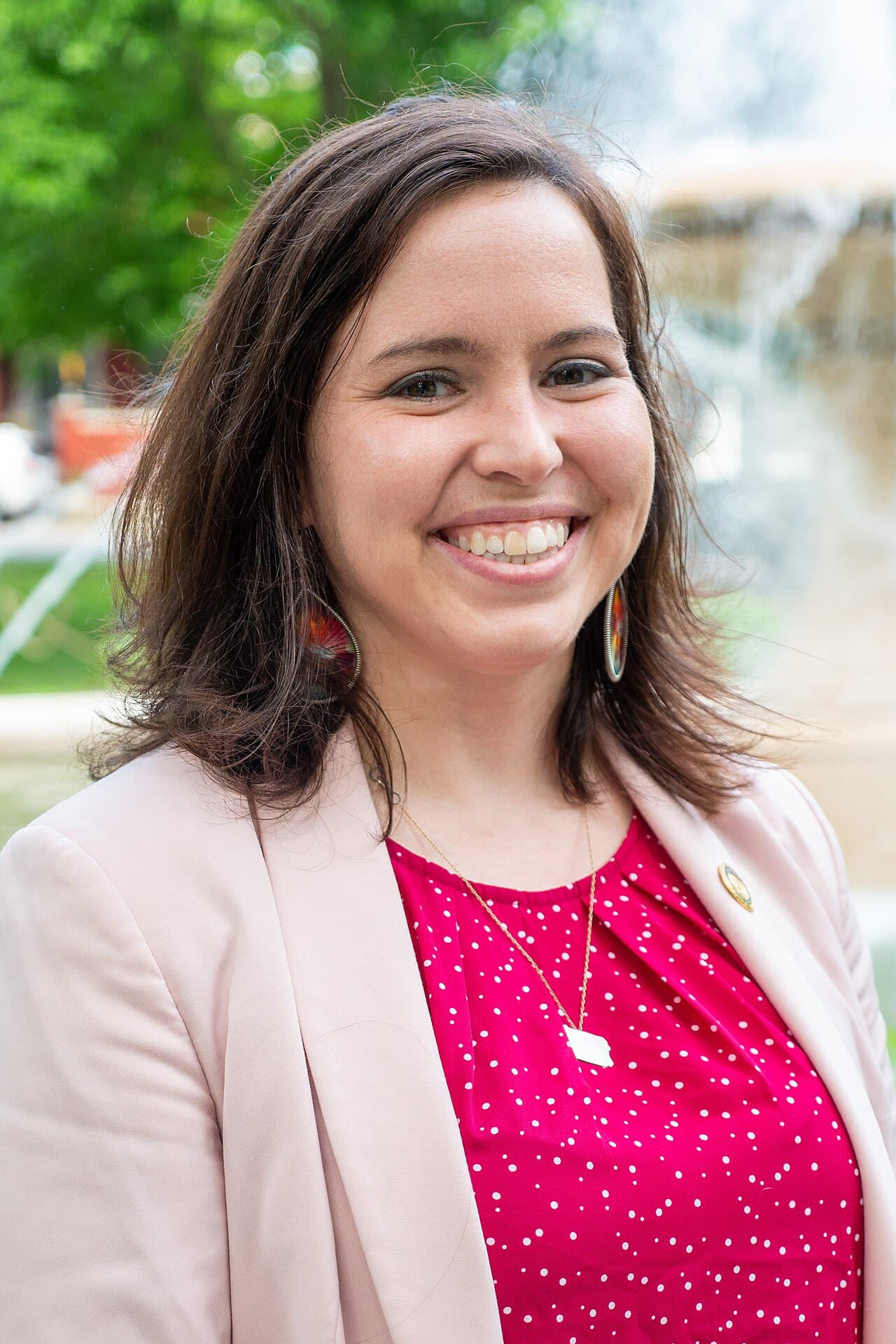
Democratic lawmakers voiced strong opposition during debate last week, warning the measure would be used to target transgender people. State Rep. Wick Thomas, a Kansas City Democrat and the House’s first transgender member, highlighted potential abuse of the law’s complaint provisions.
“If you can just call the police and accuse someone of using the wrong bathroom, think about the implications of that,” Thomas said.
The legislation lacks a specific enforcement mechanism beyond allowing lawsuits against state-funded entities that fail to “take reasonable steps” to designate single-sex spaces.
Universities Face Implementation Costs
The bill’s fiscal note reflects concerns about expensive litigation, though state departments could not provide cost estimates for potential impacts. The University of Central Missouri projected “an indeterminate fiscal impact,” citing “costs associated with enforcement of the regulations.”
Under the legislation, public universities would be required to restrict dormitory rooms, bathrooms, and locker rooms based on biological sex. The bill states that “no individual shall enter a restroom, changing room or sleeping quarters that is designated” for the opposite biological sex.
The measure would apply to any entity receiving state funding, including schools, universities, and government buildings. It now advances to the Missouri Senate for consideration.
The legislation comes as similar bills have been introduced in state legislatures across the country, reflecting ongoing national debates over transgender rights and facility access policies.