Georgia Legislature Passes Major Student Literacy Reform After Compromise
Georgia’s landmark literacy overhaul could transform how millions of students learn to read, but the real test begins when teachers hit the classroom with ra…

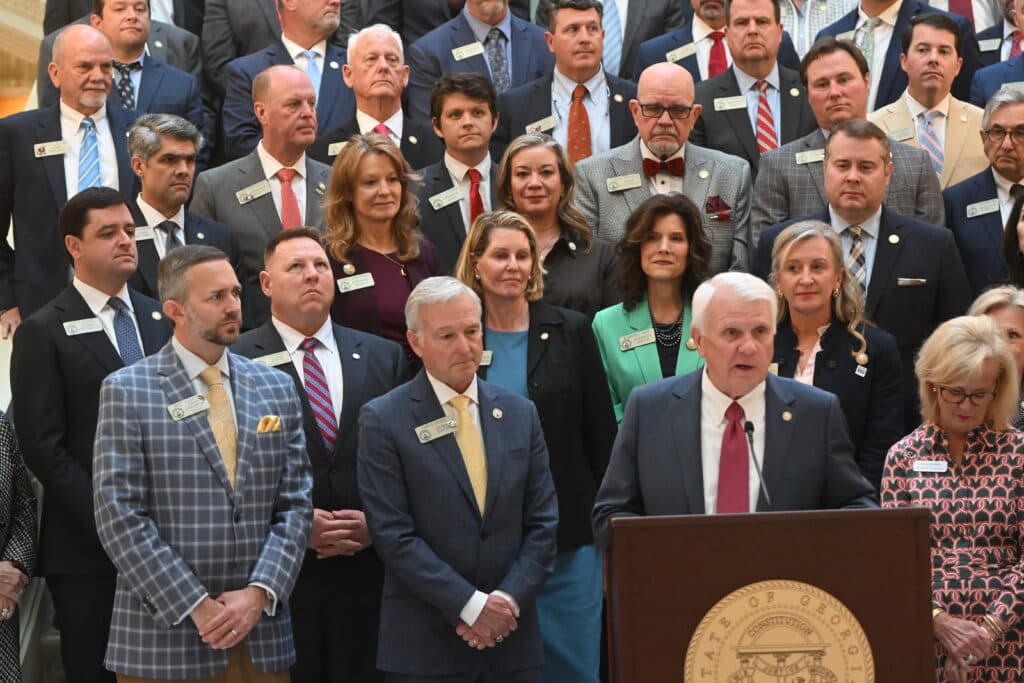
ATLANTA — Georgia lawmakers have approved significant changes to how the state teaches students to read, sending a compromise bill to Gov. Brian Kemp’s desk that supporters say will improve literacy outcomes across the state.
The legislation, which passed both chambers this week, represents one of the most important education reforms in recent Georgia history. The bill establishes new requirements for teacher training in reading instruction and mandates evidence-based literacy programs in elementary schools.
“This is a game-changer for Georgia’s children,” said House Education Committee Chairman Matt Dubnik. “We’re finally moving away from outdated methods that have failed too many students.”
Key Changes in the Legislation
The compromise bill requires all elementary teachers to receive training in the science of reading, a research-backed approach that emphasizes phonics and systematic instruction. Schools will have three years to implement the new curriculum requirements.
Under the legislation, students who struggle with reading in third grade will receive additional support rather than automatic retention. The original bill had included mandatory grade retention for students not meeting literacy benchmarks, but lawmakers softened that provision after feedback from educators and parents.
The measure also allocates $50 million over two years for teacher professional development and new instructional materials. Districts will receive grants to purchase approved reading programs that align with the science of reading principles.
Compromise Emerges After Heated Debate
The final version emerged after months of negotiations between House and Senate lawmakers who disagreed on several key provisions. The Senate had initially pushed for stricter retention policies, while the House favored more flexibility for local districts.
“We found middle ground that prioritizes student outcomes while giving educators the tools they need,” said Senate Education Committee Chairwoman Shelly Echols. The compromise removed language that would have penalized teachers whose students didn’t meet reading targets.
Teacher advocacy groups, which had opposed earlier versions of the bill, expressed cautious support for the final compromise. “While we still have concerns about implementation timelines, this version recognizes the complexity of teaching reading,” said Lisa Morgan, president of the Georgia Association of Educators.
Implementation Timeline and Funding
The legislation takes effect July 1, with full implementation required by the 2027-2028 school year. The Georgia Department of Education will oversee the transition and provide guidance to districts on selecting approved curricula.
State education officials said they expect the changes to improve Georgia’s reading scores, which currently rank in the bottom half nationally. According to the National Assessment of Educational Progress, only 35% of Georgia fourth-graders scored proficient or above in reading in 2023.
The bill also establishes a literacy task force to monitor implementation and recommend adjustments as needed. Task force members will include teachers, administrators, parents, and literacy experts.
Gov. Kemp, who has made education a priority during his tenure, is expected to sign the legislation. His office said the governor supports efforts to improve student literacy outcomes and appreciates the bipartisan work that produced the compromise.