Whitmer Signs Bill Allowing Mackinac Island to Regulate Ferry Services
New legislation gives Mackinac Island voters the power to regulate ferry services after Gov. Gretchen Whitmer ended a dispute over transportation to the popular destination.


LANSING, MICHIGAN — Gov. Gretchen Whitmer signed legislation Wednesday granting Mackinac Island the authority to regulate ferry services that transport visitors and residents to the popular tourist destination, ending a prolonged dispute between local officials and ferry operators in the Straits of Mackinac.
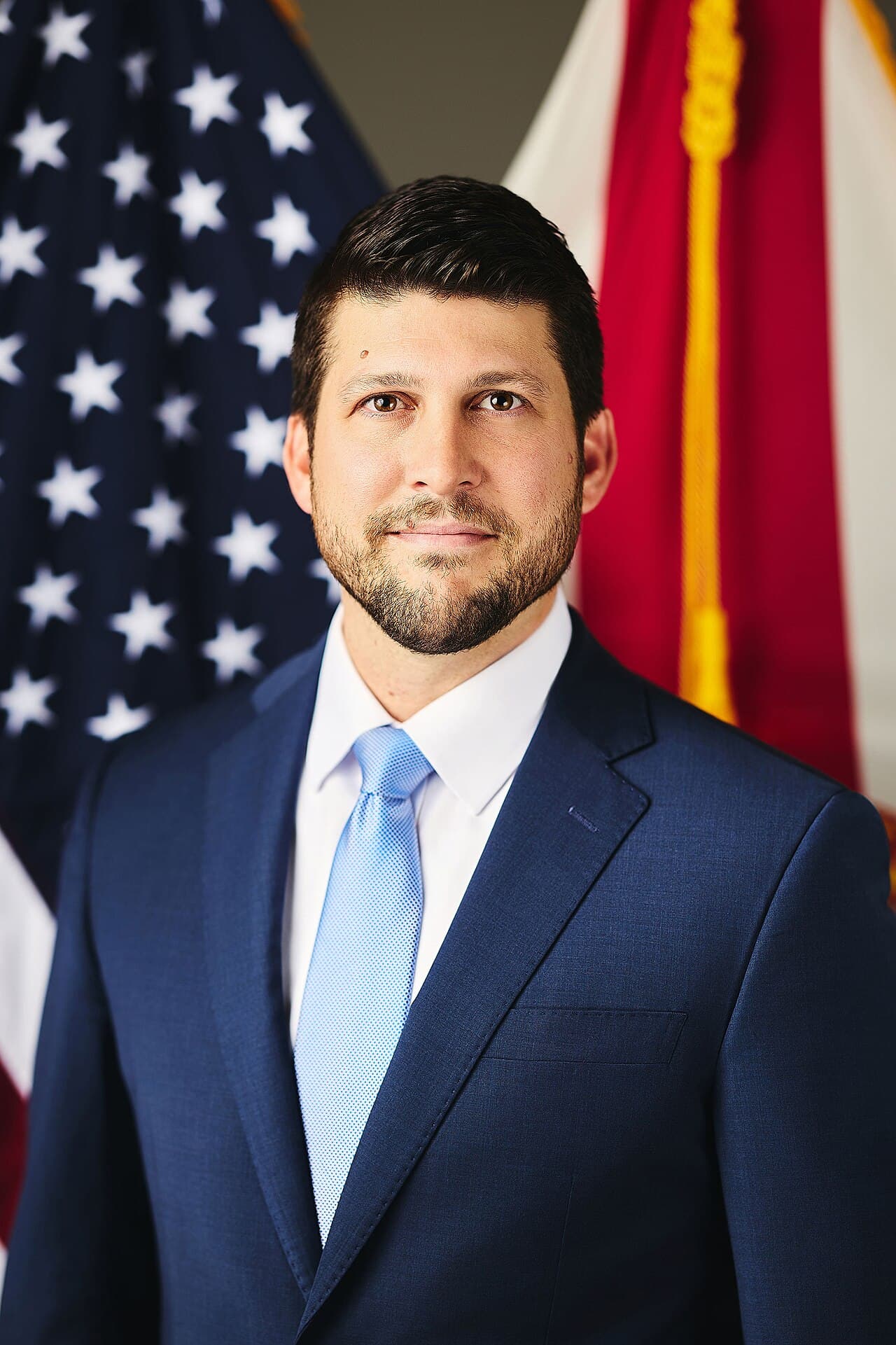
Senate Bill 304, now Public Act No. 17, was sponsored by state Sen. John Damoose (R-Harbor Springs). The legislation authorizes the city and its voters to seek an amendment to Local Act 437 of 1899, which could include changes to fees associated with travel such as baggage, parking, early boarding options and other additional charges.
Voter Approval Required
Because Mackinac Island operates under a special charter city designation, the regulatory changes will require majority approval from island voters before taking effect. The new law provides the legal framework for residents to decide whether they want local control over ferry operations that serve as the island’s primary transportation link.
Mackinac Island supports nearly 5,000 jobs and welcomes an estimated 1.2 million visitors annually, making ferry service essential to the local economy and tourism industry.
Governor Emphasizes Accessibility
In a statement, Whitmer called Mackinac Island “Michigan’s gem,” noting that ferry service to reach the destination “should be accessible and affordable.”
“I’m proud to sign this bill that empowers the people of Mackinac Island to make decisions about their economy,” Whitmer said. “Tariffs and the war overseas are already making things more expensive for Michiganders. They shouldn’t have to face additional costs just to enjoy one of our state’s most beautiful places. Let’s keep working together to lower costs for Michiganders and keep Mackinac Island accessible to both its residents and the 1.2 million people who visit it every year.”
Economic Impact on Northern Michigan
Damoose described his legislation as critical to ensuring residents and visitors maintain affordable transportation options to the island. He emphasized the broader economic implications for the region.
“In the Straits of Mackinac, the ferries are the roads,” Damoose said. “More than 80% of the island is state land, and the economies of northern Michigan and the eastern Upper Peninsula depend upon traffic to the island.”
The legislation resolves a stalemate between local leaders, residents and ferry companies that has persisted over control of transportation services. Ferry operators currently manage all aspects of travel to the car-free island, including pricing and scheduling decisions.
The new law does not automatically impose regulations but creates the legal pathway for Mackinac Island voters to decide whether they want municipal oversight of ferry operations. If approved by voters, the city could potentially regulate various aspects of ferry service including fee structures and operational requirements.