Rural North Carolina Hospitals Face Critical Shortage as Emergency Needs Rise
A child’s life-threatening allergic reaction forces paramedics to divert to rural hospital, highlighting the critical healthcare crisis facing North Carolina’s rural communities.

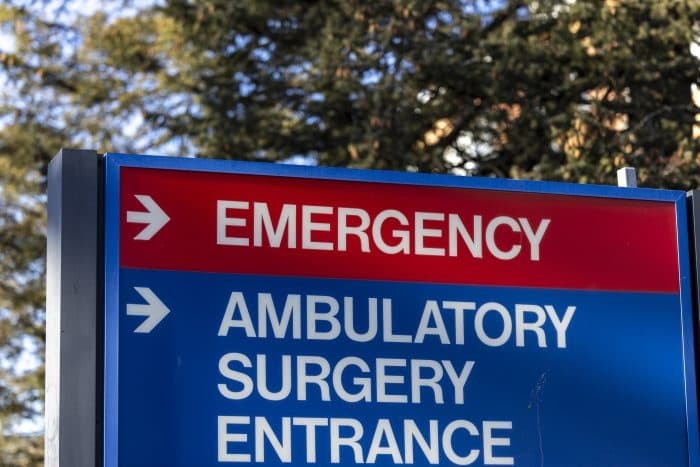
RALEIGH, NORTH CAROLINA — A life-threatening emergency at a rural North Carolina middle school last February highlighted the growing crisis facing rural healthcare across the state, as hospitals struggle to maintain emergency services while patient volumes remain unpredictable and reimbursement rates decline.
The incident involved a child with no prior medical history who suffered a severe allergic reaction at school. Emergency medical services responded promptly and, following the parent’s request, began transport to a major medical center in Durham more than 30 minutes away. During transport, the child’s condition worsened, forcing paramedics to divert to the nearest hospital in Roxboro, where emergency staff administered multiple medications and supportive measures to save the child’s life.
The case underscores the role rural hospitals play as the only immediate medical resource available during emergencies in communities across North Carolina.
Widespread Impact on Rural Communities
More than 60 million Americans live in rural communities nationwide, many facing persistent challenges accessing primary care services. This situation creates significant pressure on rural hospitals and the medical professionals who serve these populations.
Rural emergency departments operate with small teams that must handle traumatic injuries, heart attacks, and complex medical conditions, often treating multiple critical cases consecutively. Medical staff in these facilities frequently work across multiple departments, providing emergency care, supporting inpatient services, and filling staffing gaps throughout their facilities.
Financial Pressures Mount
The economic challenges facing rural healthcare facilities continue to intensify. These hospitals must maintain 24-hour emergency readiness despite unpredictable patient volumes and declining reimbursement rates. Rural areas typically have higher rates of uninsured patients and depend more heavily on Medicare and Medicaid programs, which provide lower reimbursement rates than private insurance.
Between 2005 and 2023, 146 hospitals in rural counties across the United States either closed permanently or converted to non-acute care facilities. The Southeast region alone lost 64 rural hospitals during this period, representing a significant reduction in healthcare access for these communities.
Patient Health Outcomes Suffer
These structural challenges directly impact patient care and health outcomes. Many rural residents postpone medical treatment due to distance barriers, financial constraints, or limited access to specialist services and preventive care programs.
As a result, rural Americans experience disproportionately higher rates of chronic diseases and preventable illnesses compared to their urban counterparts. The southeastern region of North Carolina faces a particularly significant physician shortage, leading to extended wait times for patient care, increased reliance on emergency departments for routine medical needs, and elevated hospitalization rates.
Healthcare advocates emphasize that rural hospitals serve as essential safety nets for their communities, often representing the only immediate medical resource available during emergencies. The continued financial strain and staffing challenges threaten the sustainability of these healthcare facilities across North Carolina and throughout rural America.