North Carolina Sees Nation’s Largest Homelessness Increase Following Hurricane Helene
Hurricane Helene’s aftermath drove North Carolina to the nation’s highest homelessness increase at 33%, displacing nearly 4,000 people in western regions.

RALEIGH, NORTH CAROLINA — North Carolina saw the largest percentage increase in homelessness nationwide, with a 33% rise primarily due to Hurricane Helene’s effects in fall 2024, according to the 2025 Annual Homelessness Assessment Report to Congress.
This increase contrasts with national trends, as the United States overall experienced a slight decline in homelessness during the 2024-25 period. North Carolina’s surge affected all categories measured, including homeless individuals, unaccompanied minors, and families with children.
Hurricane Devastation Displaces Thousands
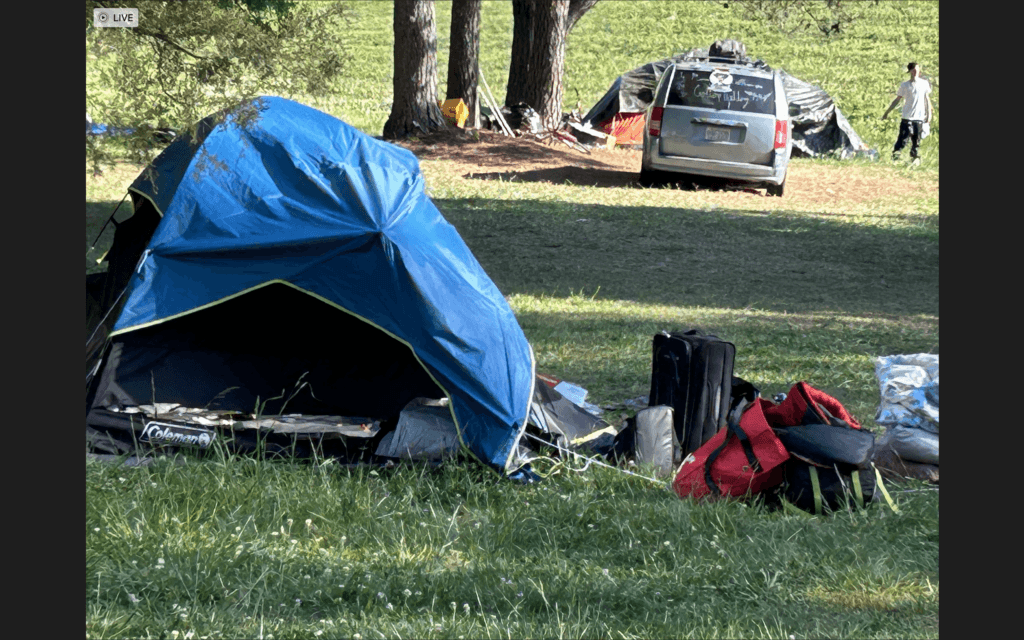
Hurricane Helene caused nearly 4,000 people to lose their homes across western North Carolina when it struck in fall 2024. The region’s homelessness count includes thousands enrolled in the federal disaster-related assistance program who were living in hotels during the federally mandated point-in-time count conducted in January 2025.
The point-in-time count provides an annual snapshot measuring the number of individuals in shelters, temporary housing, and those living unsheltered on a single night. The most recent report reflects the results of nationwide counts that took place in January 2025.
Ongoing Housing Crisis in Western Region
Liz Carbone with the N.C. Coalition to End Homelessness said the organization found the report’s findings unsurprising given the ongoing challenges in the hurricane-affected areas.
“What we saw in the AHAR that I think was really validating was the significant increase in homelessness in North Carolina as a direct result of the impacts of Hurricane Helene,” Carbone said.
The western region continues to face challenges due to extensive infrastructure damage and the loss of affordable rental homes and naturally occurring affordable housing, according to Carbone. Many communities remain in recovery mode nearly two years after the hurricane’s impact.
Statewide Implications
“The AHAR certainly backs that up and validates the crisis that is still unfolding,” Carbone said. She noted that service providers throughout Western North Carolina, including rural communities and cities like Asheville, continue to address the ongoing housing shortage.
The report highlights how natural disasters can have long-lasting effects on housing stability, with North Carolina serving as an example of how extreme weather events can dramatically alter homelessness statistics. The state’s experience contrasts with the modest national improvement in homelessness numbers during the same period.
The comprehensive data reinforces concerns about the vulnerability of communities to climate-related displacement and the challenges of rebuilding affordable housing infrastructure in disaster-affected areas.