NC State Board Criticizes Teacher Pay Plan for Neglecting Veterans
State education board members say GOP teacher pay plan heavily favors new hires while veteran educators with 15-24 years experience get minimal raises.

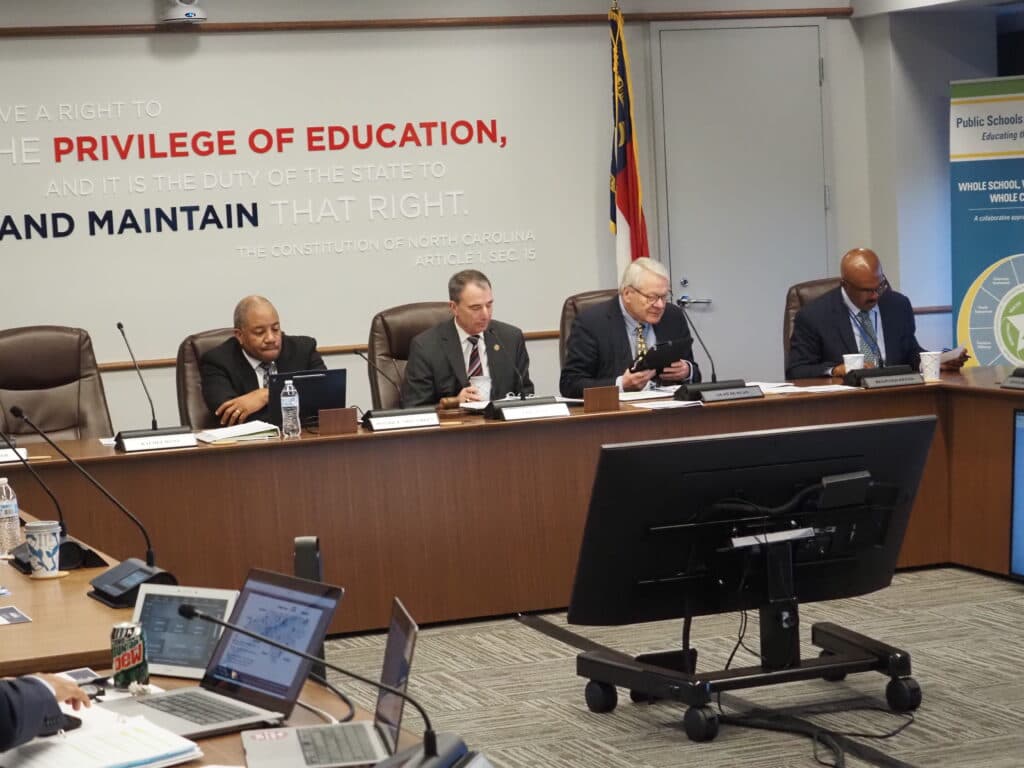
RALEIGH, NORTH CAROLINA — Members of the State Board of Education criticized a Republican-proposed teacher pay plan this week, arguing that the initiative leaves veteran educators behind while heavily favoring early-career teachers.
The plan, announced last month by GOP lawmakers, calls for an average 8% raise in teacher pay over two years. However, the largest percentage increases are concentrated among beginning teachers, raising concerns about pay equity across experience levels.
Pay Structure Favors New Teachers
Under the proposal, starting teacher pay would increase to $48,000 annually. House Speaker Destin Hall said this figure would make North Carolina the top state in the Southeast for beginning teacher compensation.
“As best we can tell, (this is) the largest average teacher pay increase at least since 2006 and one of the largest that we’ve seen in probably the last 30 years or so,” Hall said during a press conference announcing the plan.
The pay structure shows significant disparities based on experience levels. Beginning teachers would receive raises ranging from 10% to 17%, while educators with 15 to 24 years of experience would see only a 5.5% increase.
Board Members Voice Concerns
State Board member Catty Moore acknowledged that while the plan provides pay increases for all teachers, it maintains the existing structure that eliminates annual step increases for teachers with 15 to 24 years of experience.
“If there is any differentiation beyond 15 years, that happens based on how the local supplement might be applied in a district,” Moore said. She noted that counties can choose to direct local tax dollars toward veteran educators, though this option faces potential restrictions.
Moore pointed to a Republican-proposed constitutional amendment that would limit local governments’ ability to increase property taxes, potentially threatening counties’ capacity to supplement veteran teacher pay.
Economic Context Questioned
Vice Chair Alan Duncan argued that the proposed raises should be evaluated against inflation and rising costs that have eroded teachers’ purchasing power over time.
“It’s a nice figure to put out there,” Duncan said regarding the average 8% raise. “But when you put it into this full context, teachers are not ahead at the end of the day.”
The board’s concerns highlight ongoing challenges in North Carolina’s efforts to address teacher retention and recruitment. The state has struggled with educator shortages, particularly in high-need subject areas and rural districts.
The teacher pay proposal is part of broader budget discussions expected to continue through the legislative session. Republican leaders have positioned the plan as a significant investment in education, while board members and education advocates question whether the structure adequately addresses the needs of experienced teachers who form the backbone of the state’s educational workforce.